

 English
 Español
 Português
 لالعربية
 Русский
 Bahasa Indonesia
 Français
 Türkçe


100GBASE QSFP28 DWDM PAM4 Modul Optik
Apa yang Menjadikan YRTFIBER 100G DWDM QSFP28 Pilihan Yang Tepat?
Transceiver YRTFIBER 100G DWDM QSFP28 PAM4 menukar isyarat elektrik 100G kepada isyarat optik DWDM panjang gelombang tunggal untuk pautan berkapasiti tinggi ke atas infrastruktur pemultipleksan pembahagian panjang gelombang sedia ada. Direka bentuk untuk aplikasi DWDM pasif, modul menyokong penghantaran sehingga 80km dan tersedia dengan LC dupleks atau penyambung optik CS dupleks padat.
Apabila disepadukan ke dalam pautan kejuruteraan yang betul dengan pemultipleks DWDM yang serasi, penguat optik dan pampasan penyebaran, penyelesaian itu boleh menyokong jarak sehingga 120km. Perancangan panjang gelombang tersuai, pengekodan perisian tegar equipment-compatible dan pelabelan OEM tersedia untuk rangkaian interkoneksi pusat data, metro, telekom dan pembekal perkhidmatan.
100GBASE QSFP28 DWDM PAM4 Modul Optik Parameter spesifikasi
- Parameter spesifikasi
- CIRI-CIRI OPTIK
| Nombor Bahagian | Kadar Data | Panjang gelombang | TX | Sensitiviti | Jarak | Penyambung | Suhu | Lembaran data |
| AE-QSFP28-D80-XX | 100G | DWDM | -1 ~ 4dBm | -12.5dBm | 80KM | LC Dupleks | 0 ~ 70C |  |
| AE-QSFP28-D80-XXXX | 100G | DWDM | -1 ~ 4dBm | -12.5dBm | 80KM | LC Dupleks | 0 ~ 70C | |
Struktur & Komposisi Produk
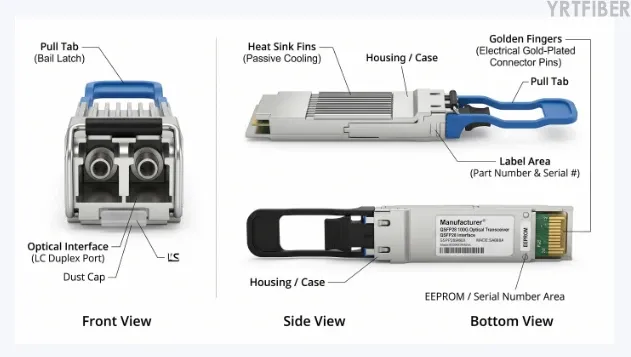
Perumahan QSFP28 padat menyepadukan empat lorong elektrik kelas 25G, pemprosesan isyarat PAM4, pemancar optik wavelength-stabilized DWDM, penerima optik, litar pemantauan diagnostik digital dan penyambung hos berkelajuan tinggi. Modul ini menukar input elektrik selari kepada satu panjang gelombang optik 100G PAM4 untuk penghantaran melalui rangkaian DWDM.
Faedah daripada 100GBASE QSFP28 DWDM PAM4 Modul Optik
Tambah Lebih Banyak Pautan 100G pada Gentian Sedia Ada
Setiap transceiver membawa isyarat 100G PAM4 pada panjang gelombang DWDM khusus.
Pelbagai panjang gelombang boleh berkongsi pasangan gentian yang sama melalui pemultipleks DWDM yang serasi, meningkatkan jumlah kapasiti tanpa memasang pasangan gentian berasingan untuk setiap perkhidmatan 100G.

Kurangkan Kerumitan Rangkaian Jarak Jauh
Modul QSFP28 menghasilkan isyarat optik 100G panjang gelombang tunggal yang boleh menyambung terus ke infrastruktur DWDM pasif yang disokong.
Pendekatan padat ini boleh mengurangkan keperluan untuk transponder berasingan dalam reka bentuk rangkaian yang serasi dan memudahkan ruang rak, kabel dan perancangan kuasa.

Sokong Sambungan Metro dan Jangkauan Lanjutan
Transceiver menyokong pautan sehingga 80km apabila bajet optik dan had penyebaran dipenuhi.
Dengan peralatan amplifikasi EDFA dan DCM yang dipilih dengan betul, sistem DWDM yang direka bentuk boleh memanjangkan jumlah jarak pautan sehingga 120km.
Pilih LC atau Ketersambungan CS Penjimatan Ruang
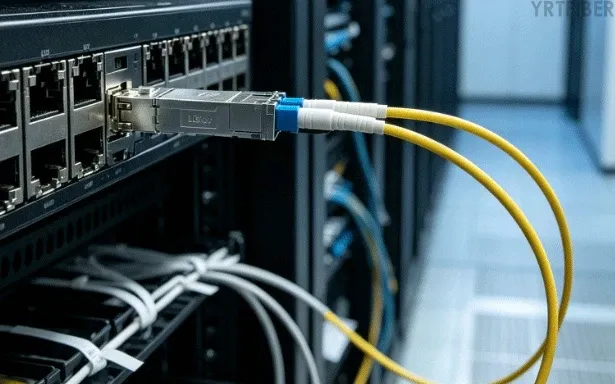
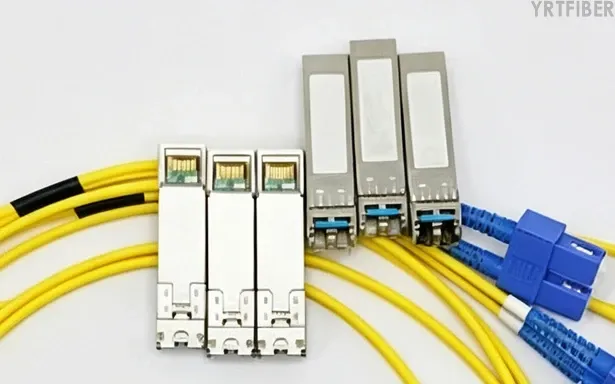
Dupleks LC sesuai dengan sistem tampalan optik yang digunakan secara meluas, manakala dupleks CS menyediakan jejak penyambung yang lebih kecil untuk panel berketumpatan tinggi yang serasi.
Dua pilihan antara muka membantu pereka rangkaian memadankan modul dengan kabel sedia ada atau keperluan ketumpatan masa hadapan.
Permudahkan Penggunaan Berbilang Vendor
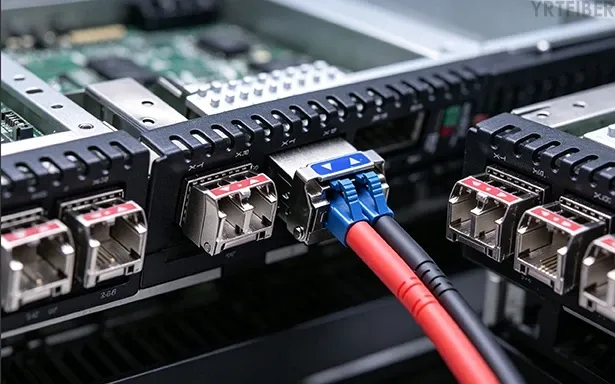
Pengekodan perisian tegar tersuai boleh disediakan untuk suis, penghala dan platform pengangkutan yang ditentukan.
Pengekodan yang betul membantu peralatan hos mengenali modul dan mengurangkan masalah keserasian semasa pemasangan dan penggantian.
Aplikasi Kejuruteraan 100GBASE QSFP28 DWDM PAM4 Modul Optik
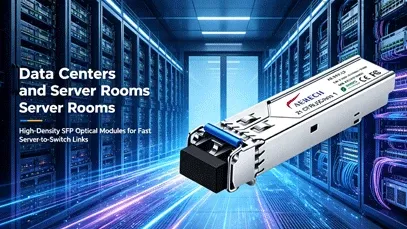
Pusat Data Saling Sambung
Angkut beberapa sambungan 100G antara tapak pusat data melalui pasangan gentian DWDM yang dikongsi.
Faktor bentuk QSFP28 membantu mengurangkan jejak peralatan dalam suis dan penghala yang serasi.
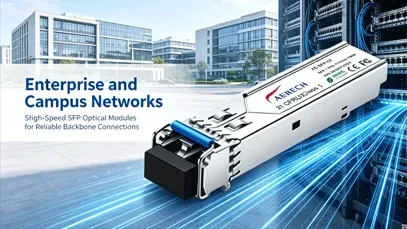
Rangkaian Metro dan Serantau
Gunakan pautan 100G berasaskan panjang gelombang antara tapak pengagregatan, pejabat pusat dan nod rangkaian metropolitan.
Pilih saluran yang sesuai, pelan amplifikasi dan strategi penyebaran mengikut laluan.
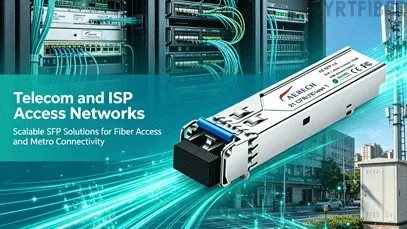
Pengembangan Tulang Belakang Telekom dan ISP
Tambahkan perkhidmatan 100G pada infrastruktur DWDM yang sesuai tanpa mendedikasikan pasangan gentian yang berasingan untuk setiap sambungan.
Pelbagai panjang gelombang membolehkan pertumbuhan kapasiti berskala apabila permintaan trafik meningkat.

Pautan Titik-ke-Titik Jangkauan Lanjutan
Bina pautan sehingga 80km dalam bajet modul yang disokong atau lanjutkan sistem yang direka bentuk dengan betul sehingga 120km dengan peralatan EDFA dan DCM yang serasi.
Lakukan pengiraan kuasa optik dan serakan yang lengkap sebelum pemasangan.
Penghantaran & Pembungkusan
Each 100G DWDM QSFP28 transceiver is protected by anti-static packaging and labeled with its model, wavelength channel, connector, reach and compatibility information. Protective inner packing and reinforced export cartons help prevent electrostatic, impact and moisture damage during storage and international transportation.
Individual anti-static protective packaging
DWDM channel, wavelength, connector and compatibility identification
Protective inner tray or box and reinforced export carton
OEM label, serial number, barcode and packaging customization
Express, air-freight and sea-freight delivery support
Perbandingan Produk:
100G DWDM QSFP28 LC vs CS and 80km vs 120km Solutions
| Comparison | 80km Duplex LC | 80km Duplex CS | Engineered System up to 120km |
|---|---|---|---|
| Typical Module | AE-QSFP28-D80-XX | AE-QSFP28-D80-XXXX | Compatible 100G DWDM QSFP28 PAM4 |
| Data Rate | 100Gbps | 100Gbps | 100Gbps per wavelength |
| Optical Signal | Single-wavelength DWDM PAM4 | Single-wavelength DWDM PAM4 | Single-wavelength DWDM PAM4 |
| Connector | Duplex LC | Duplex CS | LC or CS according to the selected module |
| Nominal Reach | Up to 80km | Up to 80km | Up to 120km for a complete engineered link |
| External EDFA | Depends on link budget | Depends on link budget | Required as determined by link design |
| External DCM | Depends on accumulated dispersion | Depends on accumulated dispersion | Required as determined by link design |
| Best For | Standard-density LC infrastructure | High-density CS patching | Extended metro and regional connections |
100GBASE QSFP28 DWDM PAM4 Modul Optik Panduan Pemilihan
How to Select a 100G DWDM QSFP28 Transceiver
Confirm the host interface: Verify that the switch, router or transport platform supports 100G QSFP28 PAM4 DWDM operation.
Choose the DWDM channel: Assign a matching wavelength for each end of the point-to-point link and coordinate all channels with the DWDM multiplexer plan.
Select the connector: Choose duplex LC for common optical patching systems or duplex CS for compatible high-density infrastructure.
Measure the route: Confirm the fiber length, fiber attenuation, connector loss, splice loss and passive DWDM insertion loss.
Calculate the optical budget: Compare total link loss with transmitter power, receiver sensitivity and receiver overload limits while retaining an engineering margin.
Check chromatic dispersion: Calculate accumulated dispersion at the selected wavelength and add a suitable DCM when the route exceeds the supported dispersion tolerance.
Plan optical amplification: For extended links, position compatible EDFA equipment according to the link design and verify that amplifier noise and output power remain acceptable.
Confirm equipment compatibility: Provide the host manufacturer, exact model and software version for the correct firmware coding.
Check the environment: The referenced modules are specified for commercial operation from 0 to 70°C.
How to Install a 100G DWDM QSFP28 Transceiver
Wear an anti-static wrist strap and verify the host compatibility, DWDM wavelength, connector type and link design before installation. Confirm that the transceivers at both ends use the same assigned channel, then keep the module latch closed, align the QSFP28 module with the port and gently push it into place until fully seated. Do not touch the optical interface or force the module into the host port.
Clean and inspect the duplex LC or CS connectors before connecting the transmit and receive fibers through the correct DWDM multiplexer ports. Install any specified EDFA, DCM and optical attenuator according to the approved link plan. After power-up, verify host recognition, wavelength routing, transmit and receive optical power, FEC status, link stability and error counters. Keep dust caps installed whenever a module or fiber connector is disconnected.
Muat turun Katalog Produk YRTFIBER
Tembakan Sebenar Kilang
Soalan Lazim & Pertanyaan Pantas
100GBASE QSFP28 DWDM PAM4 Modul Optik FAQ
What is a 100G DWDM QSFP28 PAM4 transceiver?
It is a hot-pluggable optical module that converts a 100G electrical interface into a single-wavelength PAM4 optical signal for transmission through a compatible DWDM network.
What is the maximum transmission distance?
The referenced transceiver models support links up to 80km when the optical budget and dispersion conditions are satisfied. A complete system can reach up to 120km when correctly engineered with compatible EDFA and DCM equipment.
Does the transceiver alone provide a 120km link?
No. The 120km figure applies to a complete engineered optical system. It normally requires suitable amplification, dispersion compensation, passive DWDM components and a verified end-to-end link budget.
What is the difference between the LC and CS versions?
Both versions carry the same type of 100G DWDM PAM4 signal. Duplex LC is widely used in existing fiber systems, while duplex CS offers a smaller connector footprint for compatible high-density patching equipment.
Can multiple 100G links share one fiber pair?
Yes. Each link uses an assigned DWDM wavelength, and compatible DWDM multiplexers combine multiple wavelengths onto the same fiber pair. The channel plan and optical budget must be checked for the complete system.
Are EDFA and DCM always required?
No. Their use depends on fiber length, total insertion loss, accumulated chromatic dispersion and the required system margin. An optical-link calculation must determine whether amplification or dispersion compensation is needed.
Can the module be coded for my switch or router?
Yes. Custom compatibility coding is available. Provide the equipment manufacturer, exact model and software or firmware version before ordering.
Can a long-reach DWDM module be used on a short link?
Only after checking the receiver overload limit and total link loss. An optical attenuator may be required when the received power is too high.
Why does the 100G DWDM link remain down after installation?
Check host compatibility, port configuration, FEC requirements, wavelength assignment, MUX/DEMUX channel routing, LC or CS transmit/receive direction, connector cleanliness, optical power, EDFA direction and DCM placement.
What information is required for a quotation?
Please provide the quantity, host equipment brand and model, DWDM channel or wavelength, connector type, fiber distance, passive component losses, EDFA and DCM requirements, operating temperature, OEM labeling needs and delivery destination.
Hantar Pertanyaan Anda
Isi borang di bawah dan kami akan kembali kepada anda dalam masa 24 jam.


