

 English
 Español
 Português
 لالعربية
 Bahasa Indonesia
 Français
 Türkçe
 Bahasa Melayu


Оптический модуль 100GBASE QSFP28 DWDM PAM4
Что делает YRTFIBER 100G DWDM QSFP28 правильным выбором?
Приемопередатчики YRTFIBER 100G DWDM QSFP28 PAM4 преобразуют электрический сигнал 100G в одноволновый оптический сигнал DWDM для высокопроизводительных линий связи по существующей инфраструктуре мультиплексирования с разделением волн. Разработанные для пассивных приложений DWDM, модули поддерживают передачу до 80 км и доступны с дуплексными оптическими разъемами LC или компактными дуплексными оптическими разъемами CS.
При интеграции в правильно спроектированный канал с совместимыми мультиплексорами DWDM, оптическими усилителями и компенсацией дисперсии решение может поддерживать расстояния до 120 км. Индивидуальное планирование длины волны, equipment-compatible кодирование прошивки и OEM-маркировка доступны для сетей межсоединений центров обработки данных, метро, телекоммуникаций и поставщиков услуг.
Оптический модуль 100GBASE QSFP28 DWDM PAM4 Параметры спецификации
- Параметры спецификации
- ОПТИЧЕСКИЕ ХАРАКТЕРИСТИКИ
| Номер детали | Скорость передачи данных | Длина волны | ТХ | Чувствительность | Расстояние | Разъем | Температура | Спецификация |
| АЭ-КСФП28-Д80-СС | 100Г | DWDM | -1 ~ 4дБм | -12,5 дБм | 80 км | Дуплексный LC | 0 ~ 70К |  |
| АЭ-КСФП28-Д80-ХХХХ | 100Г | DWDM | -1 ~ 4дБм | -12,5 дБм | 80 км | Дуплексный LC | 0 ~ 70К | |
Структура и состав продукта
Компактный корпус QSFP28 объединяет четыре линии электропередачи класса 25G, обработку сигналов PAM4, оптический передатчик wavelength-stabilized DWDM, оптический приемник, цифровую схему диагностического мониторинга и высокоскоростной разъем хоста. Модуль преобразует параллельный электрический вход в одну оптическую длину волны 100G PAM4 для передачи через сеть DWDM.
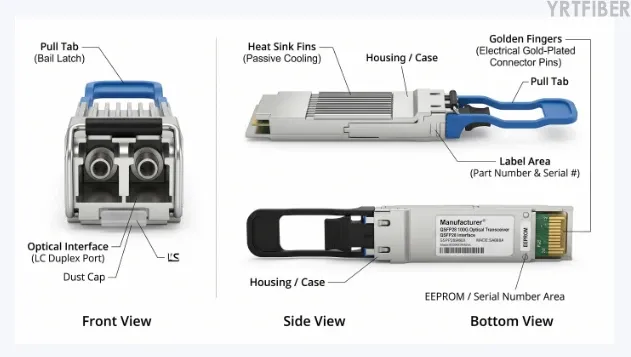
Преимущества Оптический модуль 100GBASE QSFP28 DWDM PAM4
Добавьте больше 100G ссылок на существующее волокно
Каждый приемопередатчик несет сигнал 100G PAM4 на выделенной длине волны DWDM.
Несколько длин волн могут совместно использовать одну и ту же пару волокон через совместимый мультиплексор DWDM, увеличивая общую емкость без установки отдельной пары волокон для каждой услуги 100G.

Снижение сложности сети Long-Haul
Модуль QSFP28 производит одноволновый оптический сигнал 100G, который может напрямую подключаться к поддерживаемой пассивной инфраструктуре DWDM.
Этот компактный подход может снизить потребность в отдельных транспондерах в совместимых сетевых конструкциях и упростить пространство стойки, прокладку кабелей и планирование мощности.

Поддержка метро и соединений с расширенным радиусом действия
Приемопередатчик поддерживает линии до 80 км, когда оптический бюджет и пределы дисперсии удовлетворены.
Благодаря правильно подобранному усилителю EDFA и оборудованию DCM инженерная система DWDM может увеличить общее расстояние до 120 км.
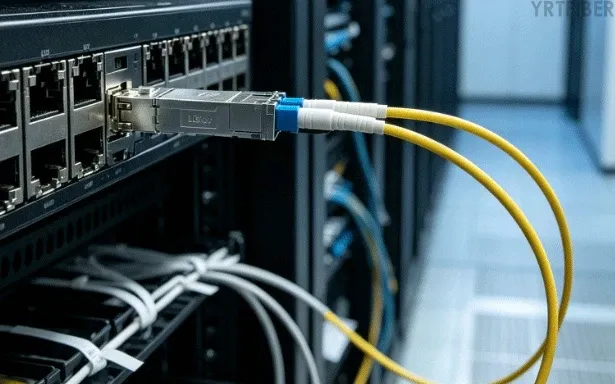
Выберите LC или экономичный CS Connectivity
Duplex LC подходит для широко развернутых оптических систем исправления, в то время как Duplex CS обеспечивает меньшую площадь разъема для совместимых панелей высокой плотности.
Два варианта интерфейса помогают разработчикам сетей сопоставить модуль с существующими кабелями или будущими требованиями к плотности.
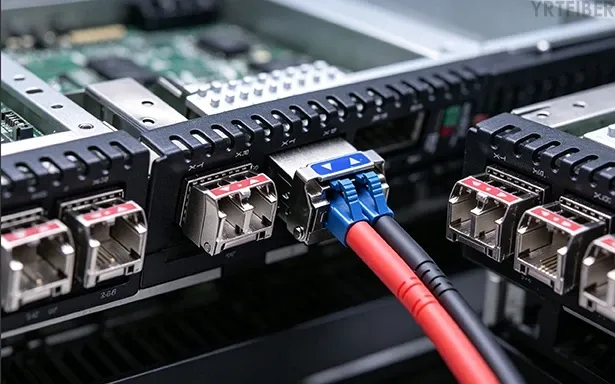
Упрощение развертывания с несколькими поставщиками
Пользовательское кодирование прошивки может быть подготовлено для определенных коммутаторов, маршрутизаторов и транспортных платформ.
Правильное кодирование помогает хост-оборудованию распознать модуль и уменьшает проблемы совместимости во время установки и замены.
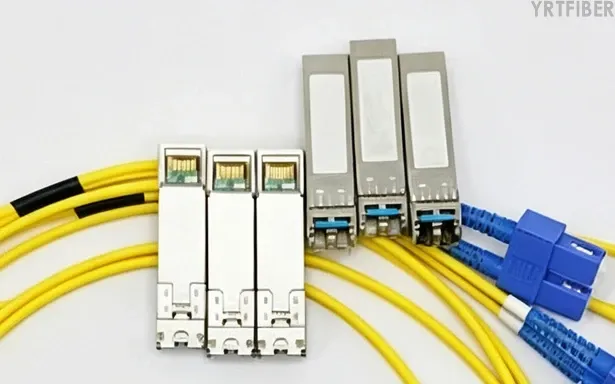
Инженерные приложения Оптический модуль 100GBASE QSFP28 DWDM PAM4
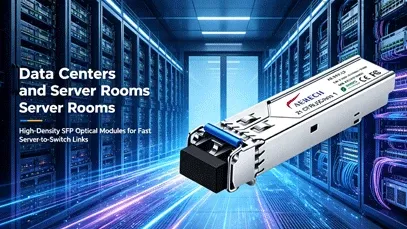
Центр обработки данных
Перенос нескольких соединений 100G между узлами центров обработки данных через общую пару волокон DWDM.
Форм-фактор QSFP28 помогает уменьшить количество оборудования в совместимых коммутаторах и маршрутизаторах.
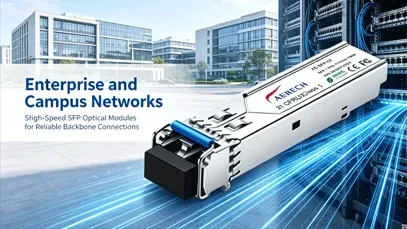
Метро и региональные сети
Развертывание линий 100G на основе длин волн между узлами агрегации, центральными офисами и узлами городской сети.
Выберите соответствующий канал, план усиления и стратегию дисперсии в соответствии с маршрутом.
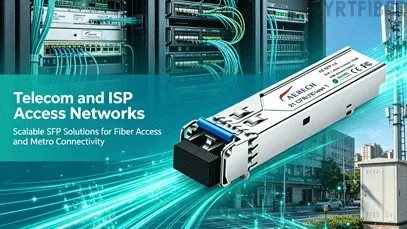
Телеком и ISP Расширение магистрали
Добавьте услуги 100G в подходящую инфраструктуру DWDM, не выделяя отдельную оптоволоконную пару для каждого соединения.
Несколько длин волн обеспечивают масштабируемый рост емкости по мере увеличения спроса на трафик.

Расширенная связь точка-точка
Постройте соединения до 80 км в пределах поддерживаемого бюджета модулей или расширьте должным образом спроектированную систему до 120 км с помощью совместимого оборудования EDFA и DCM.
Выполните полный расчет оптической мощности и дисперсии перед установкой.
Доставка и упаковка
Each 100G DWDM QSFP28 transceiver is protected by anti-static packaging and labeled with its model, wavelength channel, connector, reach and compatibility information. Protective inner packing and reinforced export cartons help prevent electrostatic, impact and moisture damage during storage and international transportation.
Individual anti-static protective packaging
DWDM channel, wavelength, connector and compatibility identification
Protective inner tray or box and reinforced export carton
OEM label, serial number, barcode and packaging customization
Express, air-freight and sea-freight delivery support
Сравнение продуктов:
100G DWDM QSFP28 LC vs CS and 80km vs 120km Solutions
| Comparison | 80km Duplex LC | 80km Duplex CS | Engineered System up to 120km |
|---|---|---|---|
| Typical Module | AE-QSFP28-D80-XX | AE-QSFP28-D80-XXXX | Compatible 100G DWDM QSFP28 PAM4 |
| Data Rate | 100Gbps | 100Gbps | 100Gbps per wavelength |
| Optical Signal | Single-wavelength DWDM PAM4 | Single-wavelength DWDM PAM4 | Single-wavelength DWDM PAM4 |
| Connector | Duplex LC | Duplex CS | LC or CS according to the selected module |
| Nominal Reach | Up to 80km | Up to 80km | Up to 120km for a complete engineered link |
| External EDFA | Depends on link budget | Depends on link budget | Required as determined by link design |
| External DCM | Depends on accumulated dispersion | Depends on accumulated dispersion | Required as determined by link design |
| Best For | Standard-density LC infrastructure | High-density CS patching | Extended metro and regional connections |
Оптический модуль 100GBASE QSFP28 DWDM PAM4 Руководство по выбору
How to Select a 100G DWDM QSFP28 Transceiver
Confirm the host interface: Verify that the switch, router or transport platform supports 100G QSFP28 PAM4 DWDM operation.
Choose the DWDM channel: Assign a matching wavelength for each end of the point-to-point link and coordinate all channels with the DWDM multiplexer plan.
Select the connector: Choose duplex LC for common optical patching systems or duplex CS for compatible high-density infrastructure.
Measure the route: Confirm the fiber length, fiber attenuation, connector loss, splice loss and passive DWDM insertion loss.
Calculate the optical budget: Compare total link loss with transmitter power, receiver sensitivity and receiver overload limits while retaining an engineering margin.
Check chromatic dispersion: Calculate accumulated dispersion at the selected wavelength and add a suitable DCM when the route exceeds the supported dispersion tolerance.
Plan optical amplification: For extended links, position compatible EDFA equipment according to the link design and verify that amplifier noise and output power remain acceptable.
Confirm equipment compatibility: Provide the host manufacturer, exact model and software version for the correct firmware coding.
Check the environment: The referenced modules are specified for commercial operation from 0 to 70°C.
How to Install a 100G DWDM QSFP28 Transceiver
Wear an anti-static wrist strap and verify the host compatibility, DWDM wavelength, connector type and link design before installation. Confirm that the transceivers at both ends use the same assigned channel, then keep the module latch closed, align the QSFP28 module with the port and gently push it into place until fully seated. Do not touch the optical interface or force the module into the host port.
Clean and inspect the duplex LC or CS connectors before connecting the transmit and receive fibers through the correct DWDM multiplexer ports. Install any specified EDFA, DCM and optical attenuator according to the approved link plan. After power-up, verify host recognition, wavelength routing, transmit and receive optical power, FEC status, link stability and error counters. Keep dust caps installed whenever a module or fiber connector is disconnected.
Скачать каталог продукции YRTFIBER
Фабрика Real Shot
Часто задаваемые вопросы и быстрый запрос
Оптический модуль 100GBASE QSFP28 DWDM PAM4 FAQ
What is a 100G DWDM QSFP28 PAM4 transceiver?
It is a hot-pluggable optical module that converts a 100G electrical interface into a single-wavelength PAM4 optical signal for transmission through a compatible DWDM network.
What is the maximum transmission distance?
The referenced transceiver models support links up to 80km when the optical budget and dispersion conditions are satisfied. A complete system can reach up to 120km when correctly engineered with compatible EDFA and DCM equipment.
Does the transceiver alone provide a 120km link?
No. The 120km figure applies to a complete engineered optical system. It normally requires suitable amplification, dispersion compensation, passive DWDM components and a verified end-to-end link budget.
What is the difference between the LC and CS versions?
Both versions carry the same type of 100G DWDM PAM4 signal. Duplex LC is widely used in existing fiber systems, while duplex CS offers a smaller connector footprint for compatible high-density patching equipment.
Can multiple 100G links share one fiber pair?
Yes. Each link uses an assigned DWDM wavelength, and compatible DWDM multiplexers combine multiple wavelengths onto the same fiber pair. The channel plan and optical budget must be checked for the complete system.
Are EDFA and DCM always required?
No. Their use depends on fiber length, total insertion loss, accumulated chromatic dispersion and the required system margin. An optical-link calculation must determine whether amplification or dispersion compensation is needed.
Can the module be coded for my switch or router?
Yes. Custom compatibility coding is available. Provide the equipment manufacturer, exact model and software or firmware version before ordering.
Can a long-reach DWDM module be used on a short link?
Only after checking the receiver overload limit and total link loss. An optical attenuator may be required when the received power is too high.
Why does the 100G DWDM link remain down after installation?
Check host compatibility, port configuration, FEC requirements, wavelength assignment, MUX/DEMUX channel routing, LC or CS transmit/receive direction, connector cleanliness, optical power, EDFA direction and DCM placement.
What information is required for a quotation?
Please provide the quantity, host equipment brand and model, DWDM channel or wavelength, connector type, fiber distance, passive component losses, EDFA and DCM requirements, operating temperature, OEM labeling needs and delivery destination.
Отправьте запрос
Заполните форму ниже, и мы свяжемся с вами в течение 24 часов.


