

 English
 Español
 Português
 لالعربية
 Русский
 Bahasa Indonesia
 Français
 Bahasa Melayu


100GBASE QSFP28 DWDM PAM4 Optik Modül
YRTFIBER 100G DWDM QSFP28 'i Doğru Seçim Yapan Nedir?
YRTFIBER 100G DWDM QSFP28 PAM4 alıcı-vericileri, mevcut dalga boyu bölmeli çoğullama altyapısı üzerinden yüksek kapasiteli bağlantılar için 100G elektrik sinyalini tek dalga boyunda bir DWDM optik sinyaline dönüştürür. Pasif DWDM uygulamaları için tasarlanan modüller, 80 km 'ye kadar iletimi destekler ve çift yönlü LC veya kompakt çift yönlü CS optik konektörlerle mevcuttur.
Uyumlu DWDM çoklayıcılar, optik yükselticiler ve dağılım telafisi ile doğru şekilde tasarlanmış bir bağlantıya entegre edildiğinde, çözüm 120 km 'ye kadar olan mesafeleri destekleyebilir. Veri merkezi ara bağlantı, metro, telekom ve servis sağlayıcı ağları için özel dalga boyu planlaması, equipment-compatible ürün yazılımı kodlaması ve OEM etiketleme mevcuttur.
100GBASE QSFP28 DWDM PAM4 Optik Modül Spesifikasyon parametreleri
- Spesifikasyon parametreleri
- OPTİK ÖZELLİKLER
| Parça numarası | Veri Hızı | dalga boyu | TX | Hassasiyet | Mesafe | Bağlayıcı | Sıcaklık | Veri sayfası |
| AE-QSFP28-D80-XX | 100G | DWDM | -1 ~ 4dBm | -12.5dBm | 80KM | Dubleks LC | 0 ~ 70C |  |
| AE-QSFP28-D80-XXXX | 100G | DWDM | -1 ~ 4dBm | -12.5dBm | 80KM | Dubleks LC | 0 ~ 70C | |
Ürün Yapısı ve Kompozisyonu
Kompakt QSFP28 mahfazası, dört 25G sınıfı elektrik şeridini, PAM4 sinyal işlemeyi, bir wavelength-stabilized DWDM optik vericisini, optik alıcıyı, dijital teşhis izleme devresini ve yüksek hızlı bir ana bilgisayar konektörünü birleştirir. Modül, paralel elektrik girişini bir DWDM ağı üzerinden iletim için bir 100G PAM4 optik dalga boyuna dönüştürür.
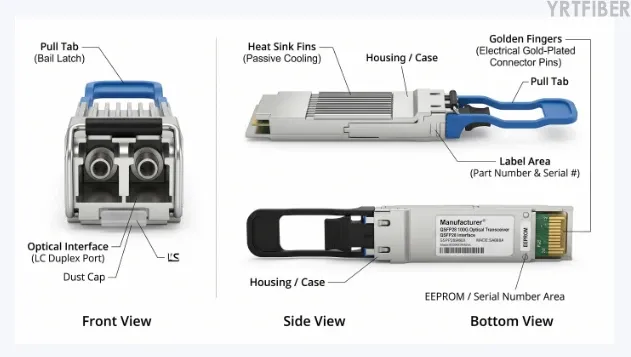
Faydaları 100GBASE QSFP28 DWDM PAM4 Optik Modül
Mevcut Fibere Daha Fazla 100G Bağlantısı Ekleyin
Her alıcı-verici, özel bir DWDM dalga boyunda 100G PAM4 sinyali taşır.
Birden fazla dalga boyu, uyumlu bir DWDM çoklayıcı aracılığıyla aynı fiber çiftini paylaşabilir ve her 100G hizmeti için ayrı bir fiber çifti kurmadan toplam kapasiteyi artırabilir.

Uzun mesafeli ağ karmaşıklığını azaltın
QSFP28 modülü, doğrudan desteklenen pasif DWDM alt yapısına bağlanabilen tek dalga boylu 100G optik sinyal üretir.
Bu kompakt yaklaşım, uyumlu ağ tasarımlarında ayrı transponder ihtiyacını azaltabilir ve raf alanını, kablolamayı ve güç planlamasını basitleştirebilir.

Metro ve Genişletilmiş Erişim Bağlantılarını Destekleyin
Alıcı-verici, optik bütçe ve dağılım sınırları karşılandığında 80 km 'ye kadar olan bağlantıları destekler.
Doğru seçilmiş EDFA yükseltmesi ve DCM ekipmanı ile, tasarlanmış bir DWDM sistemi toplam bağlantı mesafesini 120km 'ye kadar uzatabilir.
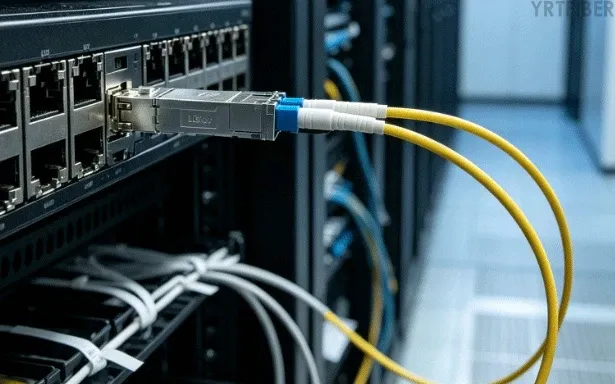
LC veya Yer Tasarrufu Sağlayan CS Bağlantısını seçin
Dubleks LC, yaygın olarak kullanılan optik yama sistemlerine uyarken, dupleks CS, uyumlu yüksek yoğunluklu paneller için daha küçük bir bağlayıcı ayak izi sağlar.
İki arayüz seçeneği, ağ tasarımcılarının modülü mevcut kablolama veya gelecekteki yoğunluk gereksinimleriyle eşleştirmesine yardımcı olur.
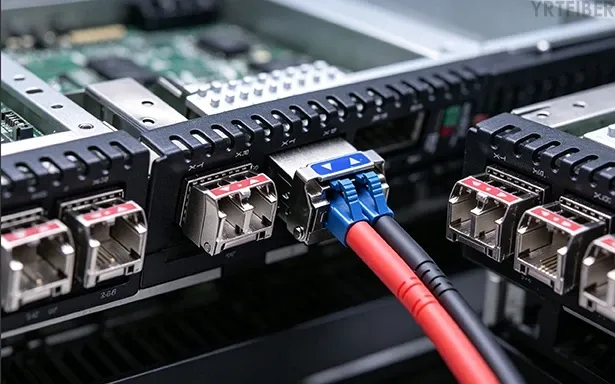
Çoklu Satıcı Dağıtımını Basitleştirin
Belirtilen anahtarlar, yönlendiriciler ve taşıma platformları için özel ürün yazılımı kodlaması hazırlanabilir.
Doğru kodlama, ana bilgisayar ekipmanının modülü tanımasına yardımcı olur ve kurulum ve değiştirme sırasında uyum sorunlarını azaltır.
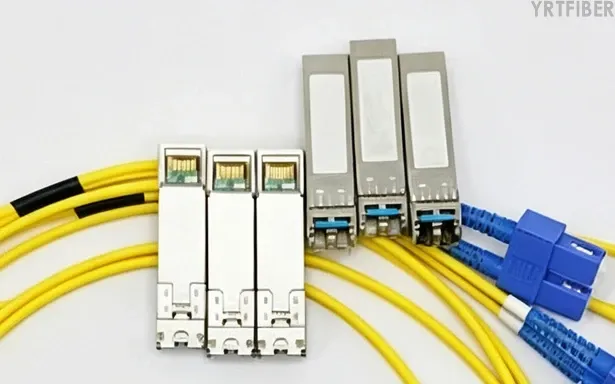
Mühendislik Uygulamaları 100GBASE QSFP28 DWDM PAM4 Optik Modül
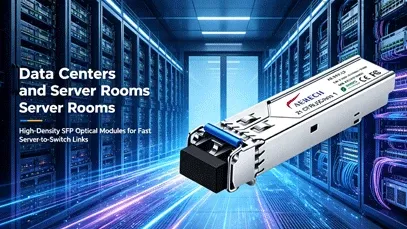
Veri Merkezi Bağlantısı
Paylaşılan bir DWDM fiber çifti üzerinden veri merkezi siteleri arasında birden fazla 100G bağlantıyı taşıyın.
QSFP28 form faktörü, uyumlu anahtarlarda ve yönlendiricilerde ekipman ayak izini azaltmaya yardımcı olur.
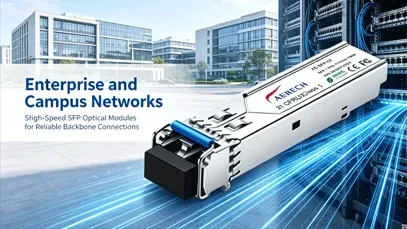
Metro ve Bölgesel Ağlar
Dalga boyuna dayalı 100G bağlantılarını toplama siteleri, merkez ofisler ve büyükşehir ağ düğümleri arasında dağıtın.
Rotaya göre uygun kanalı, büyütme planını ve dağılım stratejisini seçin.
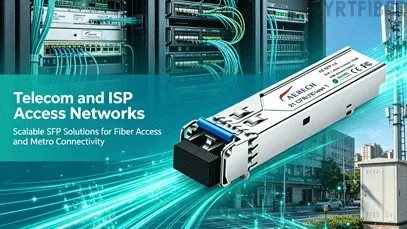
Telekom ve ISP Omurga Genişlemesi
Her bağlantıya ayrı bir fiber çifti ayırmadan uygun DWDM alt yapısına 100G hizmetleri ekleyin.
Birden fazla dalga boyu, trafik talebi arttıkça ölçeklenebilir kapasite artışı sağlar.

Genişletilmiş-Noktadan Noktaya Bağlantılar
Desteklenen modül bütçesi dahilinde 80 km 'ye kadar bağlantılar oluşturun veya uyumlu EDFA ve DCM ekipmanı ile 120 km' ye kadar düzgün tasarlanmış bir sistemi genişletin.
Kurulumdan önce tam bir optik güç ve dağılım hesaplaması yapın.
Nakliye ve Paketleme
Each 100G DWDM QSFP28 transceiver is protected by anti-static packaging and labeled with its model, wavelength channel, connector, reach and compatibility information. Protective inner packing and reinforced export cartons help prevent electrostatic, impact and moisture damage during storage and international transportation.
Individual anti-static protective packaging
DWDM channel, wavelength, connector and compatibility identification
Protective inner tray or box and reinforced export carton
OEM label, serial number, barcode and packaging customization
Express, air-freight and sea-freight delivery support
Ürün Karşılaştırması:
100G DWDM QSFP28 LC vs CS and 80km vs 120km Solutions
| Comparison | 80km Duplex LC | 80km Duplex CS | Engineered System up to 120km |
|---|---|---|---|
| Typical Module | AE-QSFP28-D80-XX | AE-QSFP28-D80-XXXX | Compatible 100G DWDM QSFP28 PAM4 |
| Data Rate | 100Gbps | 100Gbps | 100Gbps per wavelength |
| Optical Signal | Single-wavelength DWDM PAM4 | Single-wavelength DWDM PAM4 | Single-wavelength DWDM PAM4 |
| Connector | Duplex LC | Duplex CS | LC or CS according to the selected module |
| Nominal Reach | Up to 80km | Up to 80km | Up to 120km for a complete engineered link |
| External EDFA | Depends on link budget | Depends on link budget | Required as determined by link design |
| External DCM | Depends on accumulated dispersion | Depends on accumulated dispersion | Required as determined by link design |
| Best For | Standard-density LC infrastructure | High-density CS patching | Extended metro and regional connections |
100GBASE QSFP28 DWDM PAM4 Optik Modül Seçim Kılavuzu
How to Select a 100G DWDM QSFP28 Transceiver
Confirm the host interface: Verify that the switch, router or transport platform supports 100G QSFP28 PAM4 DWDM operation.
Choose the DWDM channel: Assign a matching wavelength for each end of the point-to-point link and coordinate all channels with the DWDM multiplexer plan.
Select the connector: Choose duplex LC for common optical patching systems or duplex CS for compatible high-density infrastructure.
Measure the route: Confirm the fiber length, fiber attenuation, connector loss, splice loss and passive DWDM insertion loss.
Calculate the optical budget: Compare total link loss with transmitter power, receiver sensitivity and receiver overload limits while retaining an engineering margin.
Check chromatic dispersion: Calculate accumulated dispersion at the selected wavelength and add a suitable DCM when the route exceeds the supported dispersion tolerance.
Plan optical amplification: For extended links, position compatible EDFA equipment according to the link design and verify that amplifier noise and output power remain acceptable.
Confirm equipment compatibility: Provide the host manufacturer, exact model and software version for the correct firmware coding.
Check the environment: The referenced modules are specified for commercial operation from 0 to 70°C.
How to Install a 100G DWDM QSFP28 Transceiver
Wear an anti-static wrist strap and verify the host compatibility, DWDM wavelength, connector type and link design before installation. Confirm that the transceivers at both ends use the same assigned channel, then keep the module latch closed, align the QSFP28 module with the port and gently push it into place until fully seated. Do not touch the optical interface or force the module into the host port.
Clean and inspect the duplex LC or CS connectors before connecting the transmit and receive fibers through the correct DWDM multiplexer ports. Install any specified EDFA, DCM and optical attenuator according to the approved link plan. After power-up, verify host recognition, wavelength routing, transmit and receive optical power, FEC status, link stability and error counters. Keep dust caps installed whenever a module or fiber connector is disconnected.
YRTFIBER Ürün Kataloğunu İndirin
Fabrika Gerçek Atış
Sık Sorulan Sorular ve Hızlı Sorgulama
100GBASE QSFP28 DWDM PAM4 Optik Modül FAQ
What is a 100G DWDM QSFP28 PAM4 transceiver?
It is a hot-pluggable optical module that converts a 100G electrical interface into a single-wavelength PAM4 optical signal for transmission through a compatible DWDM network.
What is the maximum transmission distance?
The referenced transceiver models support links up to 80km when the optical budget and dispersion conditions are satisfied. A complete system can reach up to 120km when correctly engineered with compatible EDFA and DCM equipment.
Does the transceiver alone provide a 120km link?
No. The 120km figure applies to a complete engineered optical system. It normally requires suitable amplification, dispersion compensation, passive DWDM components and a verified end-to-end link budget.
What is the difference between the LC and CS versions?
Both versions carry the same type of 100G DWDM PAM4 signal. Duplex LC is widely used in existing fiber systems, while duplex CS offers a smaller connector footprint for compatible high-density patching equipment.
Can multiple 100G links share one fiber pair?
Yes. Each link uses an assigned DWDM wavelength, and compatible DWDM multiplexers combine multiple wavelengths onto the same fiber pair. The channel plan and optical budget must be checked for the complete system.
Are EDFA and DCM always required?
No. Their use depends on fiber length, total insertion loss, accumulated chromatic dispersion and the required system margin. An optical-link calculation must determine whether amplification or dispersion compensation is needed.
Can the module be coded for my switch or router?
Yes. Custom compatibility coding is available. Provide the equipment manufacturer, exact model and software or firmware version before ordering.
Can a long-reach DWDM module be used on a short link?
Only after checking the receiver overload limit and total link loss. An optical attenuator may be required when the received power is too high.
Why does the 100G DWDM link remain down after installation?
Check host compatibility, port configuration, FEC requirements, wavelength assignment, MUX/DEMUX channel routing, LC or CS transmit/receive direction, connector cleanliness, optical power, EDFA direction and DCM placement.
What information is required for a quotation?
Please provide the quantity, host equipment brand and model, DWDM channel or wavelength, connector type, fiber distance, passive component losses, EDFA and DCM requirements, operating temperature, OEM labeling needs and delivery destination.
Sorgunuzu Gönderin
Aşağıdaki formu doldurun, 24 saat içinde size geri döneceğiz.


