

 English
 Español
 Português
 Русский
 Bahasa Indonesia
 Français
 Türkçe
 Bahasa Melayu

GYTZA في الهواء الطلق مثبطات اللهب الذين تقطعت بهم السبل فضفاضة أنبوب الألياف البصرية كابل - G.652D / G.655
خصائص ميكانيكية جيدة ، جيدة مقاومة درجات الحرارة العالية
غلاف فضفاض عالي القوة ، مقاوم للتحلل المائي
تلعب حشوات الغلاف الخاصة دورًا رئيسيًا في حماية الألياف الضوئية
هيكل مدمج مصمم خصيصا يمنع انكماش غلاف فضفاض
غمد الخارجي مثبطات اللهب لحماية الألياف البصرية من النار
الألومنيوم البولي ايثيلين صفح كحاجز الرطوبة
ما هو كابل الألياف البصرية GYTZA
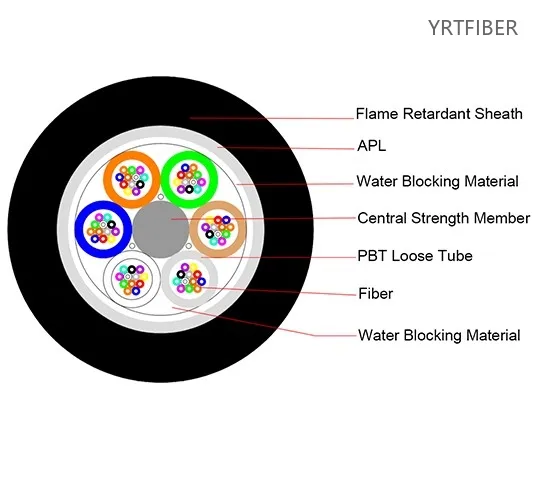
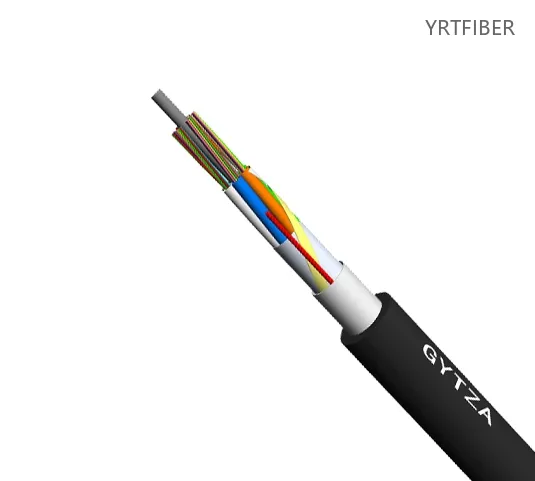
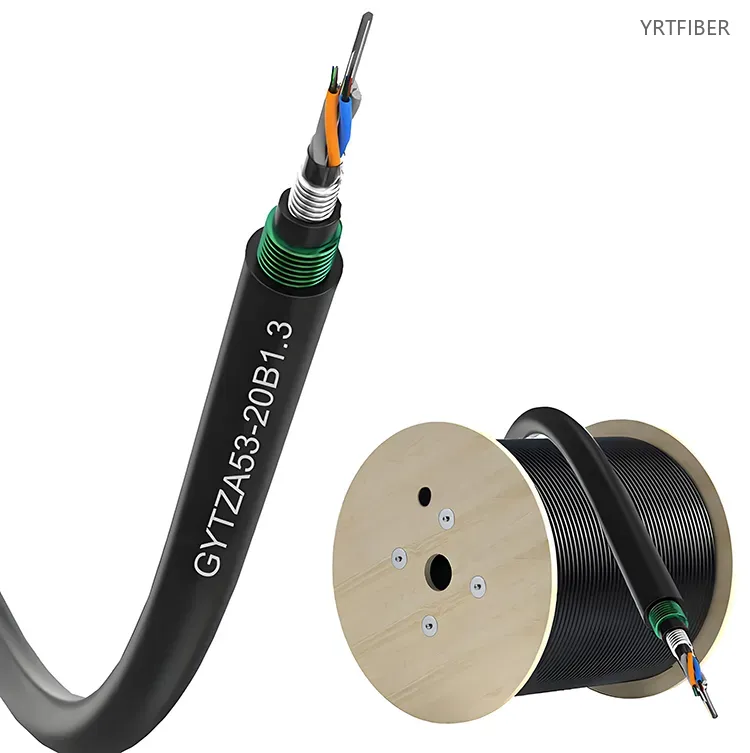
يضع الكبل البصري من نوع GYTZA 250 ميكرومتر من الألياف الضوئية في غلاف فضفاض مصنوع من البلاستيك عالي المعامل ، ويمتلئ الغلاف بحشو مقاوم للماء ، والمركز عبارة عن سلك فولاذي كتعزيز معدني ، ويتم طلاء الكبل عالي النواة أحيانًا بـ PE. يتم لف الأكمام والحشو حول التعزيز لتشكيل قلب كابل دائري مضغوط. يتم لف قلب الكبل مع APL ، ويتم ملء APL بحشو مقاوم للماء. أخيرًا ، يتم تغليف الكابل بـ PE مثبطات اللهب.
GYTZA كابل الألياف البصرية مواصفات المعلمات
- مواصفات المعلمات
- الخصائص البصرية
الخصائص البصرية
| G.652 | G.655 | 50 / 125μm | 62.5/125 μm | ||
| التوهين (+ 20 ℃) | @ 850نانومتر | ≤3.0 ديسيبل / كم | ≤3.0 ديسيبل / كم | ||
| @ 1300nm | ≤1.0 ديسيبل / كم | ≤1.0 ديسيبل / كم | |||
| @ 1310نانومتر | ≤0.36 ديسيبل / كم | ≤0.40 ديسيبل / كم | |||
| @ 1550نانومتر | ≤0.22 ديسيبل / كم | ≤0.23dB / كم | |||
| عرض النطاق الترددي (الفئة أ) | @ 850نانومتر | ≥500 ميغاهرتز · كم | ≥200 ميغاهرتز · كم | ||
| @ 1300nm | ≥1000 ميجاهرتز · كم | ≥600 ميجاهرتز · كم | |||
| فتحة عددية | 0.200±0.015NA | 0.275±0.015NA | |||
| كابل قطع الطول الموجي | ≤1260nm | ≤1480nm | |||
| درجة حرارة التخزين / التشغيل | -40℃ ~+70℃ | ||||
المعايير الفنية
| نموذج | النوى الألياف | أنابيب | الحشو | القطر (مم) | الوزن (كلغ) | الشد (N) | سحق (N) | الانحناء دائرة نصف قطرها | ||
| على المدى الطويل | المدى القصير | على المدى الطويل | المدى القصير | ثابت / ديناميكي | ||||||
| GYTZA-2 ~ 6F | 2~6 | 1 | 4 | 9.7 | 135 | 600 | 1500 | 300 | 1000 | 10D / 20D |
| GYTZA-8 ~ 12F | 8~12 | 2 | 3 | 9.7 | 135 | 600 | 1500 | 300 | 1000 | 10D / 20D |
| GYTZA-14 ~ 18F | 14~18 | 3 | 2 | 9.7 | 135 | 600 | 1500 | 300 | 1000 | 10D / 20D |
| GYTZA-20 ~ 24F | 20~24 | 4 | 1 | 9.7 | 135 | 600 | 1500 | 300 | 1000 | 10D / 20D |
| GYTZA-26 ~ 30F | 26~30 | 5 | 9.7 | 135 | 600 | 1500 | 300 | 1000 | 10D / 20D | |
| GYTZA-32 ~ 36F | 32~36 | 6 | 10.2 | 147 | 1000 | 3000 | 300 | 1000 | 10D / 20D | |
| GYTZA-38 ~ 48F | 38~48 | 4 | 1 | 11.2 | 167 | 1000 | 3000 | 300 | 1000 | 10D / 20D |
| GYTZA-50 ~ 60F | 50~60 | 5 | 11.2 | 167 | 1000 | 3000 | 300 | 1000 | 10D / 20D | |
| GYTZA-62 ~ 72F | 62~72 | 6 | 12.2 | 189 | 1000 | 3000 | 300 | 1000 | 10D / 20D | |
| GYTZA-74 ~ 84F | 74~84 | 7 | 1 | 13.8 | 231 | 1000 | 3000 | 300 | 1000 | 10D / 20D |
| GYTZA-86 ~ 96F | 86~96 | 8 | 13.8 | 231 | 1000 | 3000 | 300 | 1000 | 10D / 20D | |
| GYTZA-98 ~ 108F | 98~108 | 9 | 1 | 15.2 | 271 | 1000 | 3000 | 300 | 1000 | 10D / 20D |
| GYTZA-110 ~ 120F | 110~120 | 10 | 15.2 | 271 | 1000 | 3000 | 300 | 1000 | 10D / 20D | |
| GYTZA-122 ~ 132F | 122~132 | 11 | 1 | 17.1 | 327 | 1000 | 3000 | 300 | 1000 | 10D / 20D |
| GYTZA-134 ~ 144F | 134~144 | 12 | 17.1 | 327 | 1000 | 3000 | 300 | 1000 | 10D / 20D | |
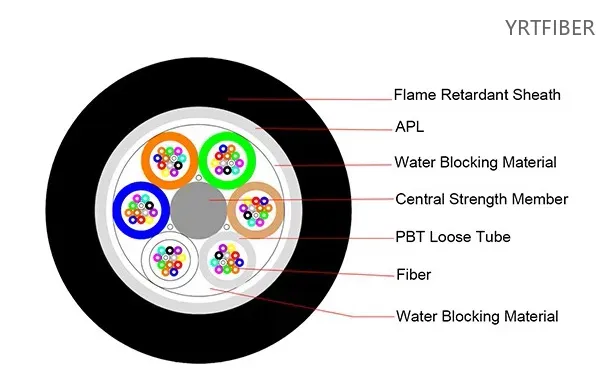
هيكل المنتج وتكوينه
غمد مثبطات اللهب - الطبقة الخارجية المصنوعة من مادة مثبطة للهب ؛ يحمي الكابل ويمنع انتشار اللهب.
APL (صفائح الألومنيوم والبولي إيثيلين) - شريط مطبق طوليًا يوفر حاجزًا للرطوبة وتدريعًا كهرومغناطيسيًا وبعض مقاومة السحق.
مادة حجب المياه (أولاً) - عادةً ما تحجب المياه أو المسحوق ؛ يمنع الماء من اختراق الكابل طوليا.
عضو القوة المركزية - عادة فرب أو أسلاك الفولاذ. يوفر قوة الشد ويدعم أنابيب فضفاضة.
PBT فضفاض أنبوب - مصنوعة من PBT. يحتوي على الألياف البصرية وملء هلام ، وتوفير التخزين المؤقت وحماية المياه.
الألياف - نواة الألياف الضوئية لنقل الإشارات (وضع أحادي أو وضع متعدد).
مادة حجب الماء (الثانية) - تقع خارج الأنبوب المفكوك أو حول عضو القوة ؛ جنبا إلى جنب مع الأول يشكل نظام حجب الماء المزدوج.
فوائد من GYTZA كابل الألياف البصرية
أداء ميكانيكي وحراري قوي
الخصائص الميكانيكية الجيدة ومقاومة درجات الحرارة العالية تضمن التشغيل الموثوق به في ظل ظروف قاسية.
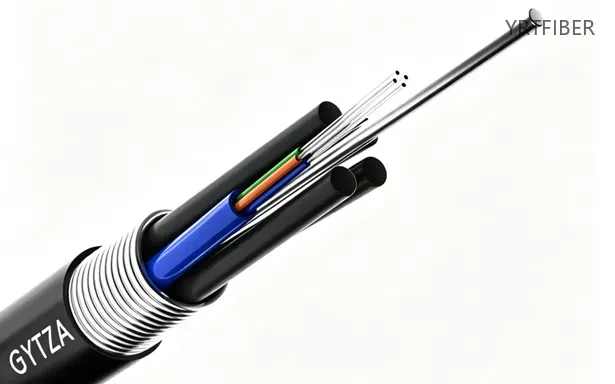
أنابيب فضفاضة عالية القوة
تمنع أنابيب PBT ذات مقاومة التحلل المائي والبنية المدمجة المصممة خصيصًا انكماش الأنبوب مع حماية الألياف.
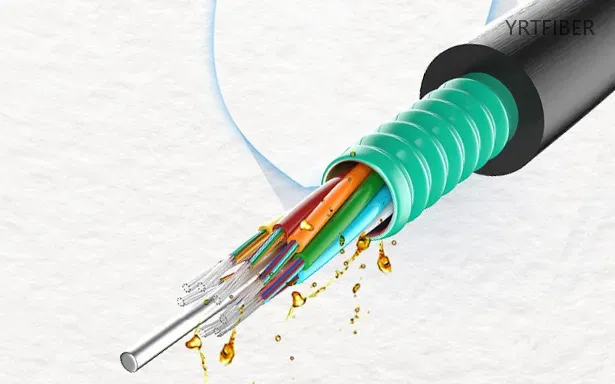
حماية فعالة من الألياف
مركبات ملء خاصة داخل الأنابيب تحمي الألياف البصرية من الإجهاد والرطوبة.
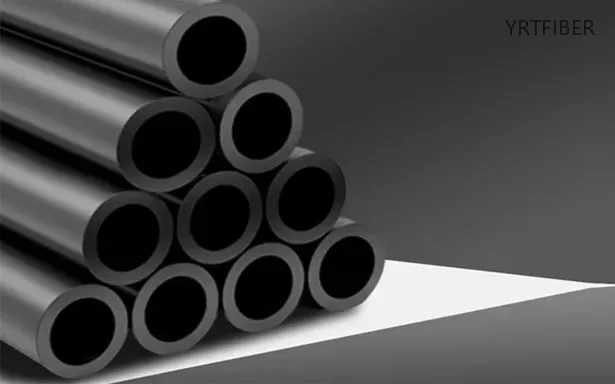
تصميم حاجز ثنائي الطبقة
توفر صفائح الألومنيوم والبولي إيثيلين (APL) حاجزًا ممتازًا للرطوبة ، بينما يحمي الغلاف الخارجي المقاوم للهب من الحريق.

التطبيقات الهندسية GYTZA كابل الألياف البصرية
الاتصالات الأساسية / العمود الفقري المحلي
خطوط الأنابيب الأساسية أو الاتصالات العامة بين المباني ؛ الكيبل التلفزيوني وأنظمة نقل شبكة الكمبيوتر ؛ شبكة الاتصالات الأساسية وشبكة الوصول.
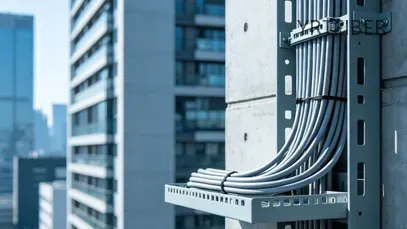
النفقات العامة / خط أنابيب وضعت الاتصالات
خطوط الأنابيب ، خنادق الكابلات (GYTZA التقليدية غير المدرعة) ؛ وضع القناة (أداء أفضل مقاوم للرطوبة ومقاوم للصدأ من الشريط الفولاذي ، وعمر أطول).
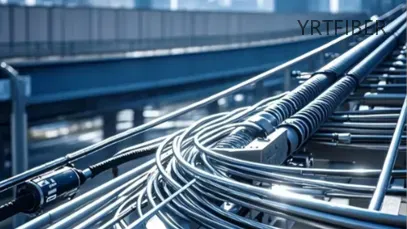
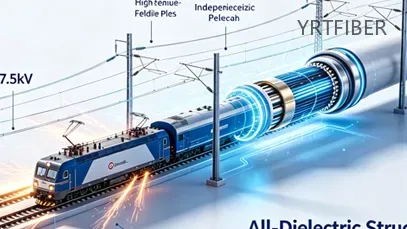
سيناريوهات السكك الحديدية والأنفاق
على طول السكك الحديدية (بما في ذلك سكة حديد Yumo) والأنفاق (تتطلب دخانًا منخفضًا وغير سام ؛ نفاذية كثافة الدخان > 80 ٪ عند الاحتراق) ؛ مترو الأنفاق (مع الأخذ في الاعتبار الحماية المدرعة والسلامة من الحرائق).
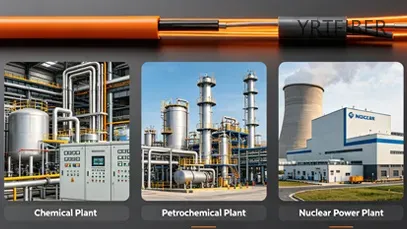
مناطق عالية المستوى للحماية من الحرائق
أماكن مقاومة للحريق ومثبطة للهب مثل المصانع الكيماوية ومصانع البتروكيماويات ومحطات الطاقة النووية ومصانع الصلب ومحطات الطاقة ؛ مناجم ؛ المباني الشاهقة والمستشفيات والمدارس وغيرها من المناطق المكتظة بالسكان.
الشحن والتغليف
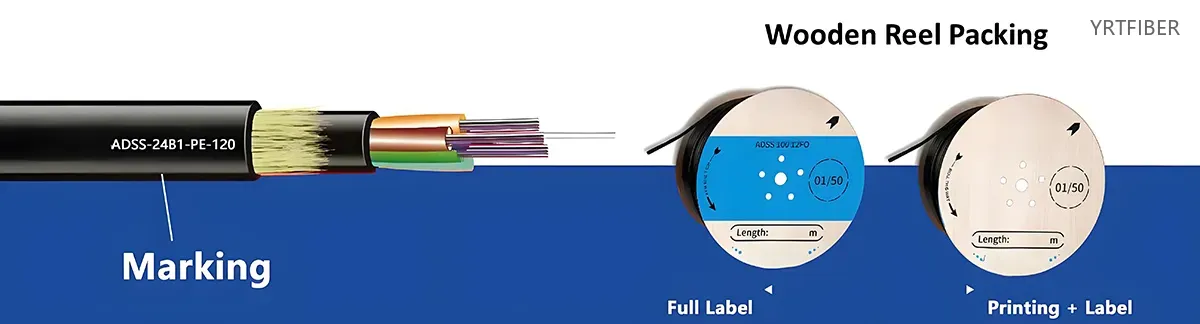
متطلبات Packaging:
- 1: يجب لف جميع الكابلات على بكرات خشبية معالجة غير قابلة للإرجاع
- 2: يجب تأمين نهايات الكابلات بإحكام في التخزين المؤقت وحمايتها waterproof قبعات الانكماش
3: يجب أن يتضمن كل بكرة:
طبقة خارجية واقية من غلاف بلاستيكي
تعزيز الشرائح الخشبية لضمان الاستقرار
على الأقل 1 متر من نهاية كابل الحرة محفوظة للاختبار
طول بكرة قياسي من 3000mm (مع التسامح المسموح به من ± 2 ٪)
Cable تحديد الهوية:
يجب أن يعرض الغلاف الخارجي:
- 1 ، ترقيم متسلسل فريد كل 1m (± 1 ٪ التباين المسموح به)
2 ، علامات تكرار إضافية على فترات 1M تظهر:
رمز المنتج وعدد الألياف
تحديد الصانع
تاريخ الإنتاج (شهر / سنة)
إجمالي طول الكابل
Standard التغليف الأبعاد:
| Length | Container | Size (L×W×H) | Net Mass | Total Mass |
|---|---|---|---|---|
| 2 كم | بكرة الخشب | 90 × 75 × 90 سم | 156 كجم | 220 كجم |
| 3 كم | بكرة الخشب | 100 × 68 × 100 سم | 240 كجم | 280 كجم |
| 4 كم | بكرة الخشب | 109 × 75 × 109 سم | 300 كجم | 368 كيلوغرام |
| 5 كم | بكرة الخشب | 129 × 72 × 129 سم | 400 كجم | 480 كجم |
مرجع Technical:
- 1 ، قطر الكابل القياسية: 10.0mm
- 2 ، أقصى مسافة تمتد: 100M
- 3 、 اتصل بفريق المبيعات للحصول على المواصفات الفنية الكاملة
Spool وسم المعايير:
يجب أن تظهر العلامات الدائمة (ارتفاع 25-30 مم كحد أدنى) على جانبي كل بكرة:
- 1 、 اسم الشركة والعلامة التجارية
- 2 、 الواردة طول الكابل
- 3 ، مواصفات الكابلات (نوع / عدد الألياف)
- 4 ، لف التوجه
- 5 ، قياسات الوزن (الإجمالي / الصافي)
ملاحظة: يجب أن تخضع جميع مواد التغليف الخشبية لعلاج التبخير المناسب قبل الاستخدام.
مقارنة المنتج:
GYTZA vs GYTA vs GYTZS vs GYXTS
| Feature / Dimension | GYTZA (Layered Stranded Aluminum Strip Armored Flame-Retardant Optical Cable). | GYTA (Layered Stranded Aluminum Strip Armored Optical Cable). | GYTZS (Layered Stranded Steel Strip Armored Flame-retardant Optical Cable). | GYXTS (Central Bundle Tube Steel Strip Armored Optical Cable). |
|---|---|---|---|---|
| Sheath Material | Low smoke halogen-free flame-retardant polyolefin (LSZH) burns with low smoke, halogen-free, and non-corrosive gases. | Polyethylene (PE) has excellent UV resistance and is suitable for long-term outdoor exposure. | Low smoke halogen-free flame-retardant polyolefins (LSZH) or flame-retardant PE produce no large amounts of smoke or toxic gases when burned. | Polyethylene (PE) offers excellent UV resistance and outdoor environmental performance. |
| Armor Type | Single-layer coated aluminum tape (APL) longitudinally wrapped, double-sided lamination. | Single-layer coated aluminum tape (APL) longitudinally wrapped, double-sided lamination. | Double-sided coated steel strip (PSP) longitudinal wrapping. | Steel strip armor layer, some models also include a steel wire reinforcement layer. |
| Structure type | Layered twisting type: loose sleeve and filling rope reinforce the core around the metal center, with the cable core gaps filled with water-blocking filler. | Layered twisted type: Structure is the same as GYTZA. | Layered stranded type: Structure is the same as GYTA/GYTZA but uses steel belt armor instead of aluminum belt. | Central bundle tube: A single loose sleeve tube is located at the center of the optical cable, with two parallel steel wire reinforcements, resulting in a compact structure and a small outer diameter. |
| Fiber Core Capacity | 2~144 cores, some models can reach up to 216 cores. | 2~144 cores, with some models reaching up to 432 cores. | 2~432 cores. | 2~24 cores, mainly for scenarios with smaller chip counts. |
| Installation Methods | pipeline, overhead, and direct burial (specific models such as GYTZA53). | Mainly pipelines (commonly known as "pipeline optical cables"), but can also be overhead. | Pipelines and overhead structures. | Overhead, pipeline, and direct burial. |
| Typical Applications | Core nodes, important convergence nodes, and locations with strict flame-retardant requirements such as the main section (each section ≥ 500 meters), tunnels, subways, nuclear power plants, and high-rise buildings. | Mainly for outdoor pipeline installation, metropolitan area networks and access networks, suitable for outdoor humid environments. | Long-distance communication and inter-office communication require flame retardant performance but require higher side pressure resistance than GYTZA's outdoor overhead or pipeline scenarios. | Small chip digital optical communication, overhead, pipeline, direct buried, and other small and medium-chip scenarios. |
| Engineering Pros | (1) Aluminum strips have better moisture and rust resistance than steel strips, especially suitable for humid environments or long-term pipeline installation; (2) LSZH sheath is low smoke and halogen-free, does not release corrosive gases when exposed to fire, ensuring the safety of personnel and equipment; (3) Good mechanical properties, meeting standards such as YD/T 1114 and IEC 60794-1; (4) Compact structure, cable core filled with waterproof gel, excellent radial waterproofing. | (1) Aluminum strips have good moisture-proof and rust-proof properties, with a long service life when laid in pipelines; (2) Lower cost; (3) Lightweight; (4) Excellent waterproof performance, suitable for humid environments. | (1) Steel belt armor has superior lateral compression resistance to GYTZA aluminum strips, offering stronger bulletproof and rodent resistance; (2) LSZH sheaths provide flame retardant performance; (3) Excellent mechanical and environmental performance; (4) Steel strip longitudinal wrapping provides excellent moisture barrier and bulletproof capability. | (1) Compact structure, small size, light weight, easy to install; (2) Steel belt armor provides excellent compression resistance, moisture resistance, and bulletproof resistance; (3) Easy installation. |
| Engineering Cons | (1) The side compression resistance index of aluminum strips is lower than that of steel strip armor (such as GYTZS/GYTS), making them unsuitable for applications requiring extremely high lateral pressure; (2) Cables with higher prices than ordinary PE sheaths; (3) The flame-retardant outer sheath performs worse than PE sheath under long-term outdoor exposure. | (1) The side compression resistance of aluminum strips is lower than that of steel strip armor; (2) Does not have flame retardant properties; it will burn and produce smoke when exposed to fire; (3) Not suitable for indoor entry sections with fire safety requirements. | (1) Steel strips have weaker corrosion resistance in humid environments than aluminum strips, and their long-term service life is slightly lower than aluminum strip armor; (2) Higher cost than GYTZA; (3) Relatively heavy. | (1) Limited pin count (≤24 pins), not suitable for large-capacity applications; (2) Controlling the remaining length of the fiber in the central beam-tube structure is quite difficult, and performance is limited at the number of large cores. |
| Flame Retardancy (Flame Retardancy). | Class B and above, LSZH low smoke halogen-free, suitable for densely populated places with high fire prevention requirements. | It lacks flame retardant properties; when exposed to fire, the PE sheath will burn and produce smoke, making it unsuitable for indoor or fire-resistant scenarios. | Class B and above, LSZH low smoke halogen-free and excellent flame retardant performance. | It does not have flame-retardant properties and is not recommended for indoor fire protection sections. |
| Crush Resistance | Generally (aluminum strip armor, side compression resistance index is lower than steel belt). Aluminum strip armor provides basic protection and is suitable for conventional pipeline and overhead scenarios. | General (aluminum strip armor). | Stronger (steel strip armor has better side compression resistance than aluminum strip). | Relatively strong (steel belt armor + steel wire reinforcement). |
| Corrosion / Moisture Resistance | Excellent. Aluminum strip has better rust and moisture resistance than steel strip, making it advantageous for long-term use in humid environments or pipelines. | Excellent. Aluminum strip longitudinal wrapping provides excellent moisture protection for the optical cable. | Average. Steel belt armor has weaker rust and moisture resistance in humid environments than aluminum belts. | Average. Steel strip armor has weaker rust resistance than aluminum belt armor. |
| Cost | Moderately high (LSZH materials, flame retardant certification testing increase costs). | Medium (PE sheath costs less than LSZH). | Moderately high (steel strip + LSZH, cost slightly higher than GYTZA). | Lower (central bundle tube structure is simple, with significant cost advantages in small core count). |
| Maintenance Difficulty | Average. LSZH sheaths have weaker UV aging resistance than PE in outdoor environments, so long-term exposure requires more attention to sheath condition; Aluminum strips have good rust prevention and a low failure rate. | Low. PE sheaths have excellent UV resistance and aging resistance, aluminum strips have excellent rust and corrosion resistance, and require minimal maintenance. | Moderately high. Steel strip armor in humid environments requires regular corrosion inspection; The flame-retardant outer sheath performs worse than PE when exposed to outdoor conditions for extended periods. | Low. Simple structure with a small outer diameter, making installation and maintenance relatively convenient. |
GYTZA كابل الألياف البصرية دليل الاختيار
1: Engineering selection of flame-retardant optical cables:
Both GYTZA and GYTZS have flame-retardant properties, but with different focuses. GYTZA uses an aluminum tape protective layer, which provides better rust and moisture resistance than GYTZS, making it particularly suitable for long-term installation in humid environments or ducts. On the other hand, GYTZS features steel tape armoring, offering stronger resistance to lateral pressure, better bulletproof and rodent-proof capabilities compared to aluminum tape, making it suitable for aerial installations or scenarios with higher lateral pressure requirements.
2: Fire rating requirements:
For areas with high fire protection requirements or dense populations, such as the core machine room entry segment, tunnels, subways, and high-rise buildings, GYTZA or GYTZS should be prioritized. Specifically, the length of a single segment of entry optical cable should not be less than 500 meters.
3 : Applicable scenarios for non-flame-retardant optical cables:
GYTA is the classic 'duct optical cable.' Its PE sheath has good UV resistance and high long-term outdoor reliability, but it will burn in the event of a fire and is not suitable for indoor environments with fire protection requirements. GYXTS has a compact structure and is the most cost-effective, suitable for small-core aerial or duct installations, but it also lacks flame-retardant properties.
GYTZA Cable Installation Instructions (Brief)
Handling – Avoid sharp edges and excessive twisting. Uncoil without kinking.
Pulling – Use a pulling grip (e.g., mesh or swivel) attached to the strength member. Do not pull on the sheath alone.
Tension – Max tensile load: long term ≤ 1000 N, short term ≤ 3000 N (refer to datasheet).
Bending radius – During installation: ≥ 20× cable OD; after installation: ≥ 10× cable OD.
Temperature – Install at ambient temperature ≥ -10°C. Avoid extreme cold.
Flame & moisture – No special fireproofing needed due to LSZH/sheath, but follow local codes. APL provides moisture barrier; still keep cable ends sealed.
Fastening – Use non‑metallic or corrosion‑resistant ties. Do not over‑tighten.
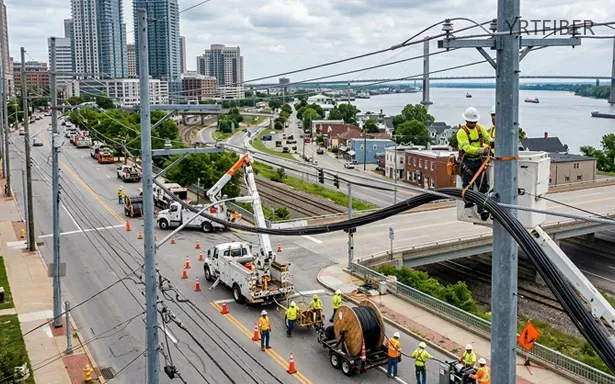
تنزيل كتالوج منتجات YRTFIBER
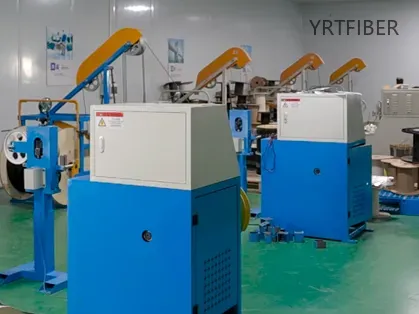
مصنع لقطة حقيقية
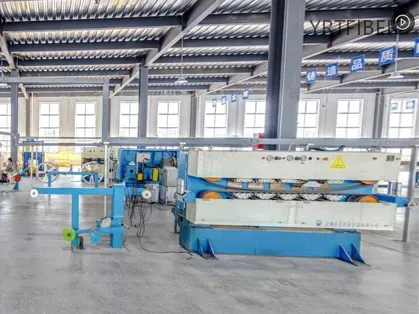
Fully Integrated Optical Cable Manufacturing Facility
End‑to‑end process chain under one roof: fiber coloring, secondary coating, loose tube stranding, dual‑layer sheath extrusion. Segregated clean zones (coloring, extrusion, stranding, armoring, testing) ensure zero cross‑contamination and full traceability.
Guaranteed On‑Schedule Delivery
Each custom order is schedule‑locked against contract lead time; no deviation. A dedicated coordinator tracks from material release to final inspection, ensuring shipment on the agreed date.
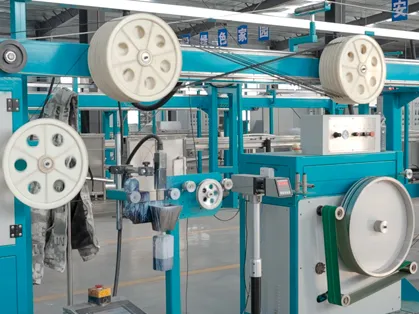
Continuous Production Line Availability
Hot‑standby extruder heads and dual pay‑offs enable instant changeover/maintenance without line stop. Automated monitoring of steel tape, PE compound, and water‑blocking material triggers replenishment alerts — eliminating stockout‑induced downtime.
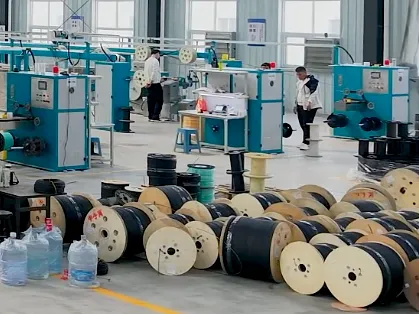
Deep OEM/ODM Customization Capability
Custom sheath color, print legend, spool size, packaging — from drawings/samples. Neutral or branded labeling available. ODM covers full cycle: concept design, material selection, rapid sample validation by in‑house cable engineers.
الأسئلة المتداولة والاستفسار السريع
GYTZA كابل الألياف البصرية FAQ
1. ما هي الميزة الرئيسية لـ GYTZA مقارنة بكابلات GYTS أو GYTA ؟
الميزة الرئيسية لـ GYTZA هي غلافها الخارجي flame-retardant ، مما يجعلها مثالية للبيئات التي تتطلب مقاومة الحريق - مثل حدائق industrial أو الأنفاق أو أنظمة المترو أو الوصلات الخارجية building-to-building. بينما تركز GYTS / GYTA على الحماية الميكانيكية ، تضيف GYTZA الامتثال للسلامة من الحرائق.
2. هل هذا الكابل مناسب للتركيب تحت الأرض أو مجرى الهواء ؟
نعم فعلا. تم تصميم GYTZA من أجل outdoor duct ، trench ، أو منشآت conduit-based. stranded أنبوب فضفاض وهيكل water-blocking حماية الألياف من الرطوبة والإجهاد الميكانيكي.
3. ما هي مواصفات الألياف المتاحة ؟
يدعم هذا الكبل G.652D (SMF القياسي) و G.655 (ألياف غير صفرية متحولة التشتت) في تكوينات من 2 إلى 144 مركزًا ، مما يتيح المرونة في عمليات نشر المترو والوصول والعمود الفقري.
4. هل تؤثر ميزة مثبطات اللهب على المتانة أو المرونة ؟
لا. يحافظ غلاف مثبطات اللهب على مقاومة عالية للأشعة فوق البنفسجية UV ، والإجهاد الميكانيكي ، ودرجة الحرارة ، مع الامتثال لمعايير السلامة من الحرائق IEC 60332 أو ما يعادلها. إنه يضمن عمر خدمة طويل حتى تحت التعرض الخارجي.
5. ما الصناعات أو المشاريع التي تستخدم عادة كابلات GYTZA ؟
يشيع استخدام GYTZA في:
Industrial أو البتروكيماويات
محطات توليد الطاقة والمحطات الفرعية
أنفاق المترو والنقل
شبكات العمود الفقري للاتصالات التي تتطلب كابلات مقاومة للحريق
إرسال الاستفسار الخاص بك
املأ النموذج أدناه وسنعاود الاتصال بك في غضون 24 ساعة.


