

 English
 Español
 Português
 لالعربية
 Русский
 Bahasa Indonesia
 Türkçe
 Bahasa Melayu

Câble fibre optique d'intérieur gjfjv | om3 / om4 / os2 | réseau gigabit
Superior Flame Retardancy: Complies with industry standards for enhanced safety.
Excellent Temperature Resistance: Ensures stable performance across varying conditions.
Flexible & Easy to Strip: Simplifies installation and maintenance.
High-Strength Kevlar Reinforcement: Enhances durability and tensile strength.
Compact Bend Radius: Enables easy routing in tight spaces.
Customizable Solutions: Tailored to meet diverse market and client requirements.
what is gjfjv indoor fiber optic cable
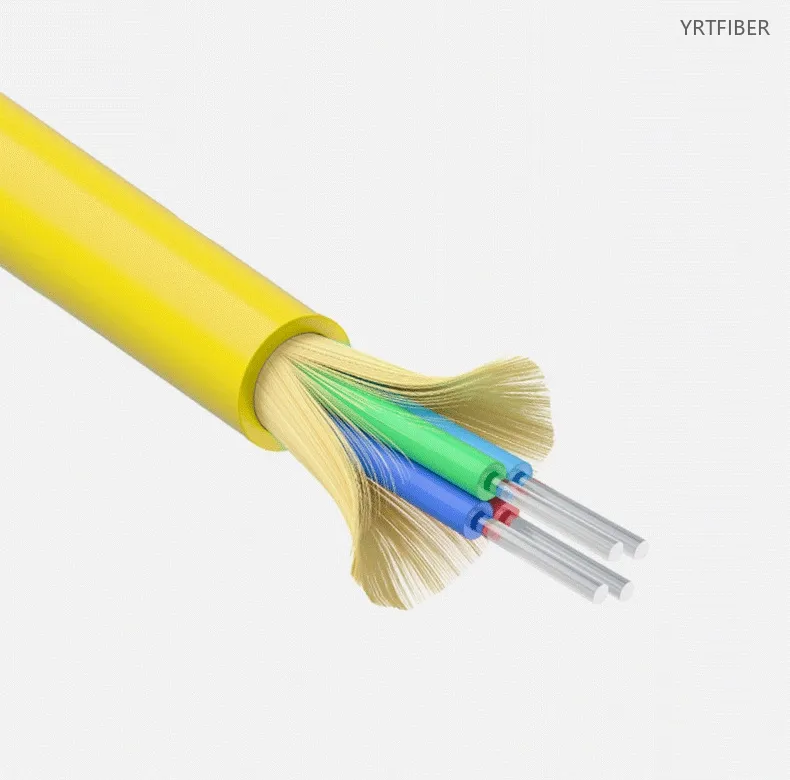
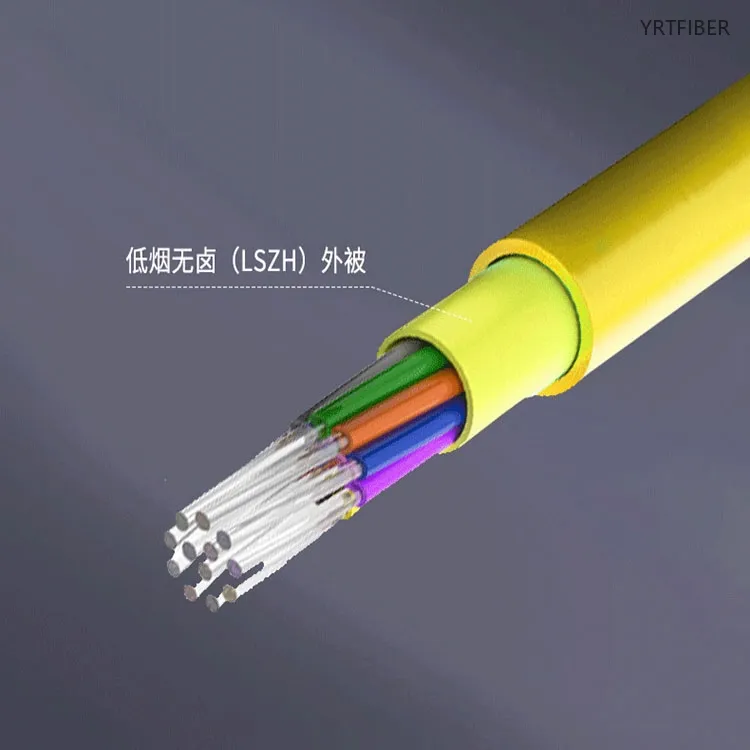
The GJFJV indoor fiber optic cable, denoted by the model name "GJFJV" in accordance with industry standards (where "GJ" signifies indoor cable, "F" denotes a non-metallic strength member, "J" refers to a tight-buffered structure, and "V" indicates a flame-retardant PVC jacket), is a high-performance communication cable meticulously designed for a wide range of indoor network applications. It offers exceptional reliability and flexibility. The cable's structure typically incorporates a single 600μm or 900μm tight-buffered fiber core, which provides an extra layer of protection and makes it exceptionally easy to strip during termination. This fiber is wrapped with a layer of high-strength aramid yarn (commonly known by the brand name Kevlar) as a strength member to enhance tensile strength and durability. The outermost layer is a durable, flame-retardant jacket, available in materials like PVC (polyvinyl chloride) or LSZH (Low Smoke Zero Halogen), which ensures fire safety and compliance with building codes. This comprehensive design results in a round, compact cable that is not only durable and flexible with an excellent bend radius but also lightweight and easy to handle. Consequently, the GJFJV cable is an optimal choice for a diverse array of indoor communication scenarios, including its primary roles as fiber optic jumpers (patch cords) and pigtails, as well as for backbone cabling in data centers, intra-building distribution in risers and equipment rooms, and Fiber to the x (FTTx) deployments to the home or desk.
GJFJV Indoor Fiber Optic Cable Paramètres de spécification
- Paramètres de spécification
- CARACTÉRISTIQUES OPTIQUES
| Performance Parameters | |||||||||
|---|---|---|---|---|---|---|---|---|---|
| Number of cores | Optical cable outer diameter (mm) | Cable weight (kg) | Allow stretching (N) | Flattening force (N/100mm) | Bending radius (mm) | Applicable temperature (°C) | |||
| Short term | Long term | Short term | Long term | Short term | Long term | ||||
| 02 | 3.4 | 15.00 | 600 | 200 | 1000 | 200 | 20D | 10D | -20 ~ +60 |
| 04 | 4.0 | 22.00 | 600 | 200 | 1000 | 200 | 20D | 10D | -20 ~ +60 |
| 06 | 4.0 | 23.00 | 600 | 200 | 1000 | 200 | 20D | 10D | -20 ~ +60 |
| 08 | 5.0 | 27.00 | 600 | 200 | 1000 | 200 | 20D | 10D | -20 ~ +60 |
| 10 | 5.5 | 30.00 | 600 | 200 | 1000 | 200 | 20D | 10D | -20 ~ +60 |
| 12 | 6.0 | 35.00 | 600 | 200 | 1000 | 200 | 20D | 10D | -20 ~ +60 |
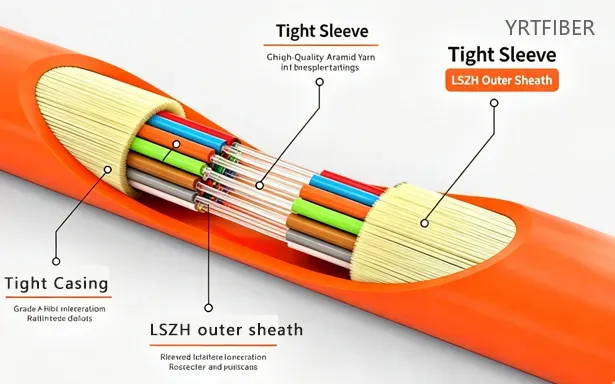
Structure et composition du produit
Ghigh-Quality Aramid Yamint bresplertartings
LSZH Outer Sheath
Grade ARibt mnleceratiomRaltintede delats
Rleewed Ictaltete loncerationRostecler and puiiscans
Avantages de GJFJV Indoor Fiber Optic Cable
Flame Retardancy & Temperature Resistance
Complies with industry safety standards for superior flame retardancy and maintains stable performance across varying temperature conditions.
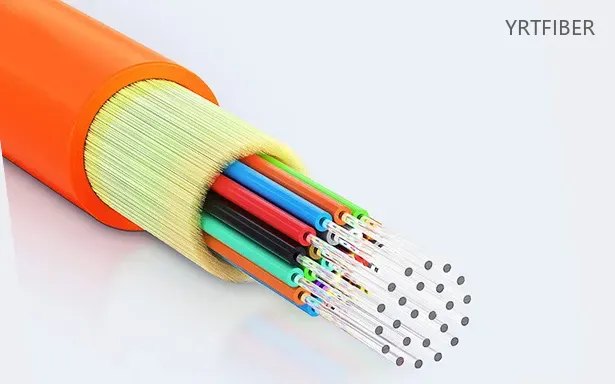
Flexibility, Easy Stripping & Compact Bend Radius
Highly flexible and easy to strip, simplifying installation and maintenance, while the compact bend radius enables convenient routing in tight spaces.
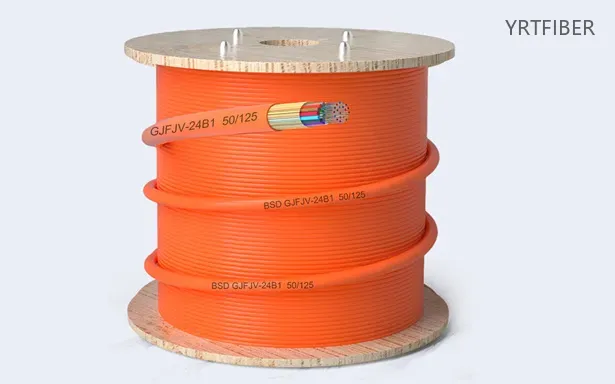
High-Strength Kevlar Reinforcement
Enhanced with high-strength Kevlar yarn, providing excellent tensile strength and mechanical durability for long-term reliability.
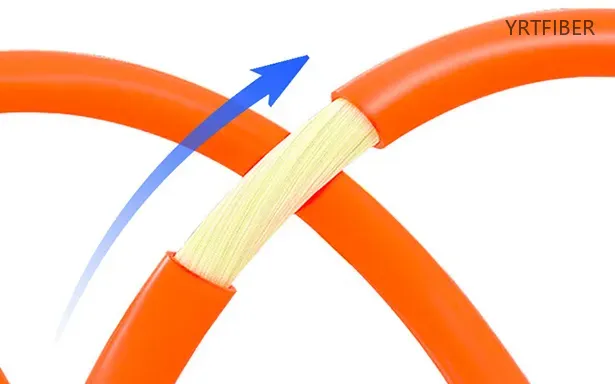
Customizable & Versatile Solutions
Supports customizable jacket materials (PVC, LSZH) and configurations to meet diverse client requirements and indoor communication scenarios.
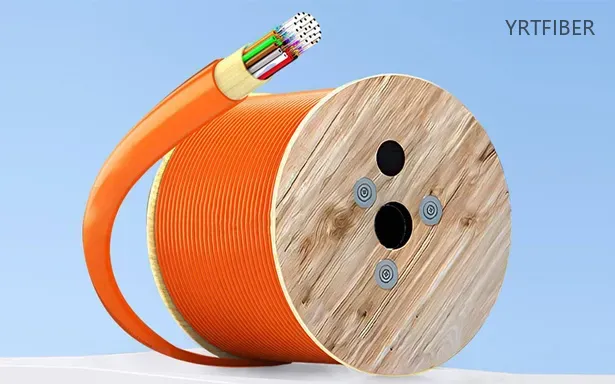
Applications d'ingénierie GJFJV Indoor Fiber Optic Cable
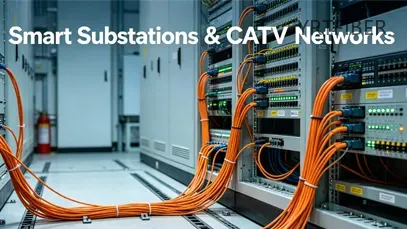
Data Center & High‑Density Backbone Cabling
GJFJV cables are widely used as indoor backbone cabling in data centers, connecting distribution frames, top‑of‑rack switches, and storage equipment. The tight‑buffered design with 900µm fibers and aramid yarn reinforcement ensures excellent flexibility and strippability, allowing direct termination to patch panels without fan‑out kits. With flame‑retardant LSZH or PVC jackets meeting riser and plenum fire safety ratings, the cable is fully compliant with strict codes for raised‑floor environments and equipment aisles. It supports high‑capacity data transmission across OS2 single‑mode and OM3/OM4 multimode fibers, making it ideal for 10G, 25G, and 40G backbone links within large‑scale data centers.
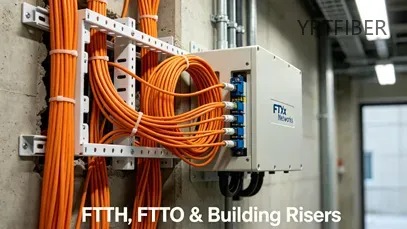
Building Riser, Plenum & Intra‑Floor Distribution
For vertical cabling within multi‑story buildings, GJFJV cables are installed in risers, plenum spaces, inter‑floor conduits, and cable trays. The small outer diameter (from 2.0mm simplex to 6.8mm for 12‑core designs) reduces conduit congestion and simplifies pulling through tight pathways. The cable structure withstands long‑term tensile loads of up to 80‑130N and short‑term crush resistance of 500‑1000N/100mm, ensuring reliable performance even under mechanical stress during installation. Available in riser‑rated and plenum‑rated versions, it is suitable for IDF/MDF rooms, telecom closets, and campus building interconnections without requiring expensive transition hardware between different cable types.
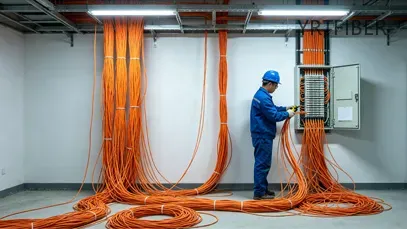
FTTx & Fiber‑to‑the‑Desk (FTTD) Deployments
GJFJV cables serve as efficient indoor drop cables in FTTB, FTTH, and Fiber‑to‑the‑Desk architectures. The cable runs from building entry points to individual workstations, enterprise offices, and residential units, delivering high‑bandwidth connectivity directly to end‑users. With excellent bend radius performance (20D dynamic, 10D static) and superior strippability, the cable can be quickly terminated to LC/SC/MPO connectors on site, eliminating the need for transition connector boxes and reducing overall installation costs. The availability of bend‑insensitive fiber further supports small‑radius routing in confined furniture pathways and corner installations.
Communication Equipment Room & ODF Interconnection
In central offices and telecommunication equipment rooms, GJFJV cables provide direct optical connections between communication devices such as routers, switches, transceivers, and optical distribution frames. The tight‑buffered construction protects fibers during repeated handling in patching areas, while the cable's flexibility allows neat routing within crowded cable management trays and ODF cassettes. No gel cleaning is required prior to termination, simplifying field work and reducing maintenance time. With operating temperatures ranging from -20°C to +60°C, the cable maintains stable transmission performance even in equipment rooms with variable thermal loads. This makes it a reliable choice for intra‑facility fiber patching and cross‑connect applications.
Engineered with 900µm tight‑buffered fibers, aramid yarn strength members, and PVC/LSZH jackets, the GJFJV indoor cable combines flexibility, fire safety, and easy termination. Its compact dimensions, fire safety compliance, and support for both single‑mode and multimode fiber types make it a versatile solution for data centers, building backbones, FTTx deployments, and patch cord manufacturing.
Expédition et emballage
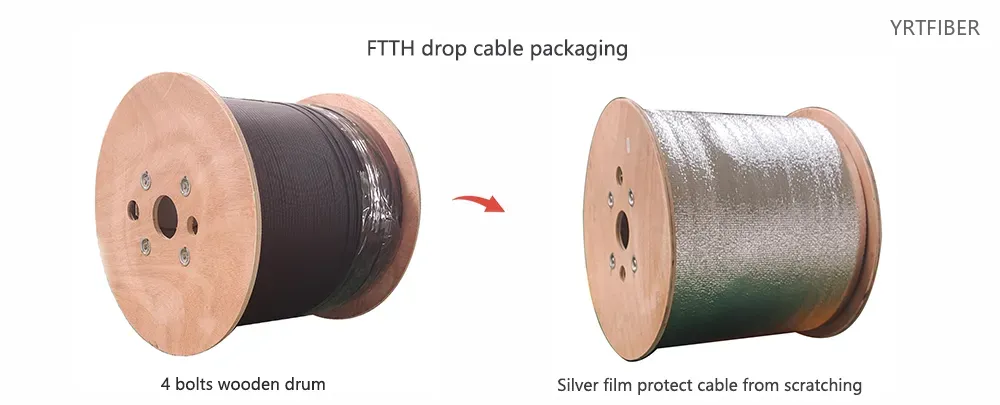
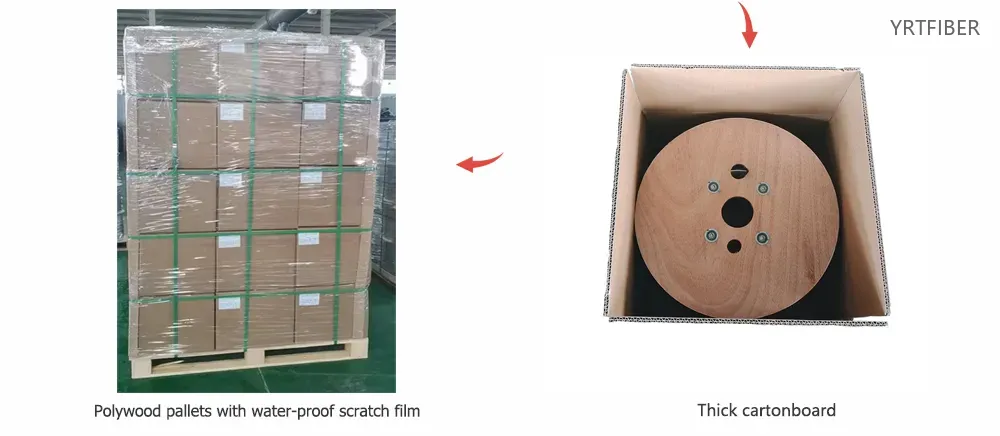
Packaging Détails
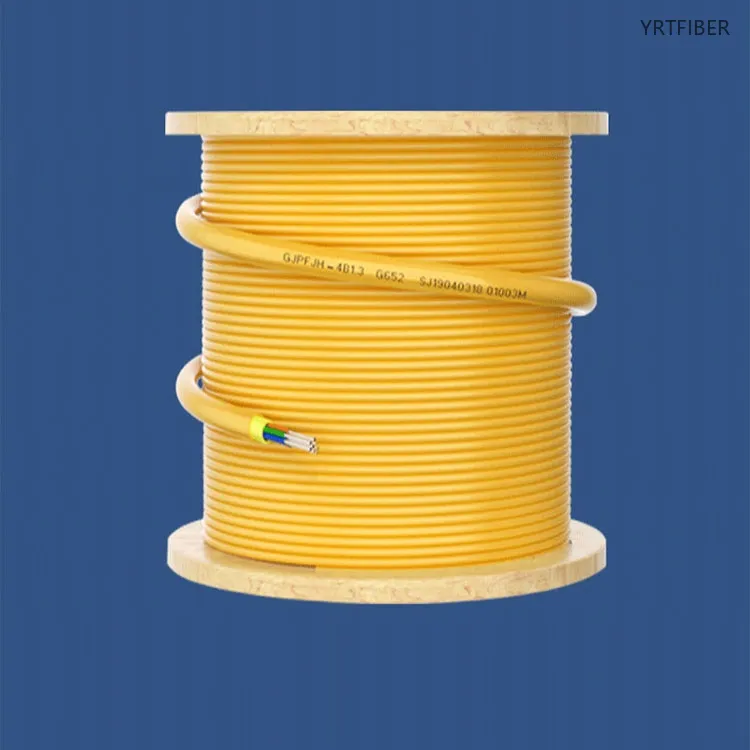
Chaque rouleau contient 1 à 5 KM de câble, généralement emballé dans des fûts en acier. Des solutions d'emballage personnalisées sont disponibles sur demande du client.
Marquage de gaine
L'indentation de la feuille blanche chaude est appliquée à des intervalles de 1 mètre avec les informations suivantes :
a. Nom du fournisseur : Guanglian (ou tel que spécifié par le client)
b. Code standard comprenant le type de produit, le type de fibre et le nombre de fibres
c. Année de fabrication (valable 7 ans)
d. Indication de la longueur en mètres
Port d'expédition
Ports disponibles : Qingdao, Guangzhou, Shenzhen
Délai estimé
| Quantity (KM) | Estimated Delivery Time |
|---|---|
| 1–300 | Environ 15 jours |
| ≥300 | Délai de livraison à négocier |
Note
Les détails d'emballage ci-dessus sont à titre de référence uniquement. La taille et le poids finaux de l'emballage seront confirmés avant l'expédition.
Comparaison des produits:
GJFJV vs GJFJH vs GJFJBV
| Feature / Dimension | GJFJV (PVC Jacket, Indoor Distribution) | GJFJH (LSZH Jacket, Indoor Distribution) | GJFJBV (Duplex Flat Cable) |
|---|---|---|---|
| Structural Features | Tight-buffered 900μm or 600μm fibers (single‑mode or multi‑mode) [7†L4-L5]. Aramid yarn strength member layer [6†L4-L6]. PVC outer sheath [7†L5-L6]. Non‑metallic construction. | Same internal construction as GJFJV: tight-buffered fibers with aramid yarn strength member [4†L20-L22]. LSZH outer sheath instead of PVC. The “H” in GJFJH stands for LSZH (Low Smoke Zero Halogen) [1†L11-L12]. Non‑metallic construction. | Two 900μm or 600μm tight-buffered fibers, each with an inner PVC sheath, covered with aramid yarns, extruded with a flat PVC or LSZH outer sheath [2†L5-L7]. “Figure‑8” cross‑section or flat duplex structure [13†L6-L7]. |
| Strength Member | Aramid yarns applied evenly over each tight‑buffered fiber or over the bundle [6†L4-L6]. High tensile strength, flexibility. | Aramid yarns (same as GJFJV). Provides excellent tensile performance and bend protection. | Aramid yarns wrapped around each tight‑buffered fiber unit, plus additional aramid in the outer sheath [12†L10-L11]. Dual-layer reinforcement. |
| Outer Sheath Material | PVC (Polyvinyl Chloride) – flame‑retardant but releases dense smoke and halogen gases when burned [1†L17-L18]. Standard UL OFNR/OFNP rated [6†L18-L19]. | LSZH (Low Smoke Zero Halogen) – flame‑retardant, low smoke emission, halogen‑free, self‑extinguishing [1†L11-L12]. Suitable for fire‑sensitive areas. | PVC (standard) or LSZH (on request). Flat outer sheath, available in both materials [13†L5-L7]. |
| Fiber Core Capacity | 2 – 144 cores, up to 288 cores with micro‑distribution design [9†L3-L4]. 2 – 24 cores typical for standard bundle designs [6†L6-L7]. | 2 – 144 cores, same core count range as GJFJV [9†L3-L4]. | 2 cores (duplex) – purpose‑built for patch cords and jumper assemblies [12†L13-L14]. |
| Typical Applications | Indoor distribution backbone, building riser and plenum cabling, equipment room patching, entrance facilities, FTTB (Fiber‑to‑the‑Building) [6†L12-L13]. Also used for pigtail/jumper assemblies [3†L30-L31]. | Same applications as GJFJV, but specifically required for fire‑rated environments: buildings with strict fire safety codes, public spaces, tunnels, data centers, high‑rise risers. The “H” (LSZH) is mandatory when low smoke and halogen‑free properties are specified by code. | Duplex optical fiber connecting jumpers or pigtails, indoor riser level and vertical cabling, interconnection between instruments and communication equipment [12†L13-L15]. Also used for desktop fiber connections (FTTD – Fiber‑to‑the‑Desktop). |
| Engineering Pros | ① Lower cost than LSZH – PVC jacket most economical indoor distribution option [3†L15-L17]; ② Good flame‑retardancy (UL OFNR/OFNP rated) [6†L18-L19]; ③ Excellent strippability – tight‑buffered fibers allow direct connector termination without messy gel cleanup [6†L14-L15]; ④ Wide core count range (2–144 cores) suitable for building backbone; ⑤ Non‑metallic – no EMI concerns, no grounding required; ⑥ Lightweight, small diameter, flexible for duct/tray installation [6†L14]. | ① LSZH jacket – low smoke, halogen‑free, self‑extinguishing – safe for fire‑sensitive spaces, meets strict building codes for plenum/riser [1†L23-L24]; ② Same excellent strippability as GJFJV – tight‑buffered fibers allow direct termination [4†L13-L14]; ③ Non‑metallic – no grounding required; ④ Good tensile performance from aramid yarn reinforcement; ⑤ All‑dry design – no gel, clean handling [4†L13-L14]. | ① Compact flat structure – fibres arranged in parallel, easy to route in tight spaces [12†L11-L12]; ② Very low cost for 2‑core applications, economical for short‑distance connections; ③ Good flame‑retardant performance (PVC or LSZH) [13†L12-L13]; ④ Excellent flexibility and strippability – individual fibers easily accessed for connector termination [12†L9-L10]; ⑤ Low weight, easy to handle for patch cord manufacturing [12†L16-L18]. |
| Engineering Cons | ① PVC sheath emits dense smoke and toxic halogen gases when burned – not suitable for fire‑sensitive public spaces, high‑rise buildings, tunnels, or data centers where LSZH is required [1†L17-L18]; ② Lower UV resistance than LSZH for mixed indoor/outdoor use (not intended for outdoor exposure); ③ Higher smoke emission in fire event compared to LSZH. | ① Higher cost than PVC (GJFJV) due to LSZH material and stricter manufacturing [3†L15-L17]; ② LSZH sheath slightly less flexible than PVC in cold environments; ③ Lower UV resistance than PE – not rated for outdoor UV exposure without additional protection; ④ Requires careful compliance verification for building code approval (LSZH often mandated). | ① Limited to 2 cores – not suitable for building backbone or multi‑core distribution [12†L13-L14]; ② Flat shape less suited for bundled installations in conduits or cable trays (higher pulling resistance than round cables) [13†L15-L16]; ③ Lower tensile strength (100–200N) than GJFJV/GJFJH distribution cables [12†L18]; ④ Larger bend radius (60/30mm) than round cables, less flexible for tight corner routing [12†L18]; ⑤ PVC jacket not flame‑retardant to LSZH level – may not meet strict fire codes for riser/plenum spaces. |
| Flame Retardancy | UL OFNR/OFNP rated – flame‑retardant, but halogen‑emitting. Suitable for riser and plenum spaces where halogen emission is not prohibited by code [6†L18-L19]. | LSZH – low smoke, halogen‑free, self‑extinguishing. Meets IEC 60754‑2 for low halogen emission, IEC 61034 for low smoke [1†L23-L24]. Mandatory for fire‑sensitive public spaces, high‑rise buildings, tunnels, data centers. | PVC flame‑retardant (UL94 V‑0); LSZH variant available – low smoke, halogen‑free upon request [13†L5-L7]. |
| All‑Dielectric (Non‑Metallic) | Yes – no metal components, immune to EMI, no grounding required. | Yes – no metal components, immune to EMI, no grounding required. | Yes – no metal components (unless specified otherwise). |
GJFJV Indoor Fiber Optic Cable Guide de sélection
Fire‑retardancy and building code compliance:
For indoor cabling installations, GJFJH (LSZH) is the mandated choice for fire‑sensitive public spaces, high‑rise building risers, tunnels, data centers, hospitals, schools, and any occupied space where building codes require low smoke and halogen‑free properties. LSZH sheathing emits minimal smoke and no halogen gases when burned, ensuring personnel safety and equipment protection in confined spaces.
GJFJV (PVC) is suitable for general indoor environments where fire codes permit PVC, such as equipment rooms (MDF/IDF) with adequate fire suppression, industrial facilities, and low‑occupancy spaces. PVC is flame‑retardant (UL OFNR/OFNP rated) but produces dense smoke and toxic halogen gases during combustion. Lower material cost makes GJFJV attractive for non‑fire‑rated areas.
Fiber core count and application type:
Both GJFJV and GJFJH support a wide core count range (2–144 cores), making them suitable for building backbone distribution. Their tight‑buffered construction allows direct termination to connectors without messy gel cleanup – a significant labour‑saving advantage over loose tube indoor cables.
GJFJBV is limited to 2‑core applications only . It is purpose‑built for patch cords, pigtails, desktop fiber connections (FTTD), and short jumper runs between instruments and communication equipment . Not suitable for backbone or multi‑core distribution.
| Requirement | Recommended Cable |
|---|---|
| Building backbone / riser, fire‑sensitive area (LSZH required) | GJFJH (LSZH jacket) |
| Building backbone / riser, general area without LSZH mandate | GJFJV (PVC jacket) |
| Patch cord, pigtail, equipment jumper, 2‑core desktop connection | GJFJBV (duplex flat) |
Cost‑performance summary:
GJFJV offers the lowest cost for multi‑core (2–144 core) indoor distribution where PVC is permitted. Its UL OFNR/OFNP rating satisfies basic flame‑retardancy requirements for riser/plenum spaces in many jurisdictions .
GJFJH carries a cost premium over GJFJV due to LSZH material, but is mandatory for fire‑rated spaces. The premium is justified by compliance with strict building codes and reduced life‑safety risk in occupied areas .
GJFJBV is the most economical 2‑core indoor cable for patch cords and equipment jumpers. Its low weight (13.8 kg/km) and compact dimensions make it ideal for high‑density patching fields, though its larger bend radius and lower tensile strength limit its use to short, low‑stress connections .
Installation ease and routing constraints:
For building riser and horizontal cabling requiring a balance of cost, core count, and ease of termination, GJFJV offers the most economical solution where fire codes permit PVC. For the same applications requiring fire‑rated LSZH, GJFJH is the correct choice despite the higher material cost [3†L15-L17].
For patch cord assemblies and equipment‑to‑instrument jumpers requiring 2‑core simplex or duplex connections, GJFJBV is the best choice. Its flat structure allows compact fibre arrangement, but its larger bend radius (60/30mm) and lower tensile strength (100–200N) make it unsuitable for backbone pulling [12†L18].
For installations with tight bend radius requirements, round distribution cables (GJFJV/GJFJH) offer superior flexibility (20D dynamic/10D static) compared to flat duplex cables [6†L25].
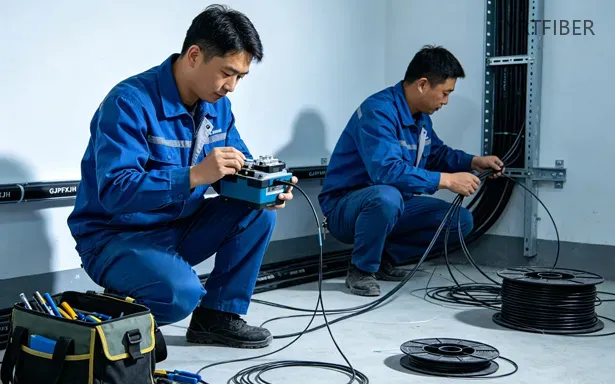
Télécharger le catalogue de produits YRTFIBER
Prise de vue réelle d'usine
Automated Packaging & Shipping Lines
High-speed automatic coiling, banding, and cartoning lines reduce lead times and ensure consistent, damage‑free delivery to global customers.
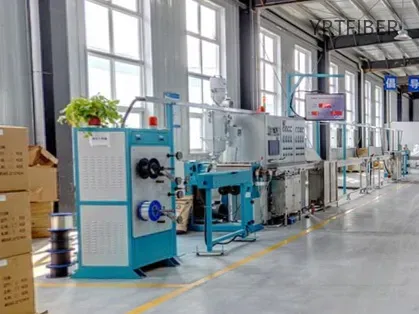
Buffer Stock & Spare Parts Warehouse
A dedicated inventory area for loose tubes, aramid yarn, and LSZH compounds guarantees uninterrupted production and rapid response to urgent orders.
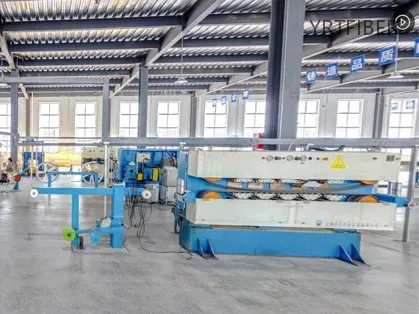
High‑Volume Production Capacity
Multiple parallel sheathing lines and stranding towers operate 24/7, enabling monthly output of over 2,0000 km of GJYWFJH and similar cables.
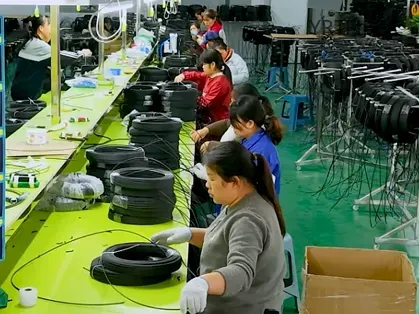
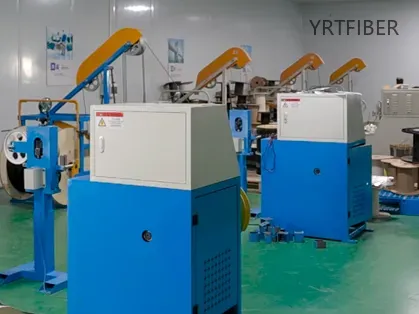
Advanced Manufacturing Lines
Our factory is equipped with fully automated optical fiber coloring, loose tube extrusion, stranding, and double-sheathing lines.
Foire aux questions et enquête rapide
GJFJV Indoor Fiber Optic Cable FAQ
Q : Quels types de fibres la série GJFVJ comprend-elle?
R : Disponible en versions multimode OM3 / OM4 et monomode OS2.
Q : Quelle est la cote au feu des câbles GJFVJ?
R : Comprend une veste ignifuge LSZH (Low Smoke Zero Halogen).
Q : Prend-il en charge les réseaux 10G?
R : Oui, OM4 prend en charge la transmission 10G jusqu'à 150m.
Q : Quel est le rayon de courbure minimum?
R : 7,5 mm (statique) / 15 mm (dynamique) avec conception insensible au pliage.
Q : Les connecteurs peuvent-ils être personnalisés?
R : Prend en charge les connecteurs LC / SC / FC avec les options de polissage UPC / APC.
Envoyez votre demande
Remplissez le formulaire ci-dessous et nous vous répondrons dans les 24 heures.


