

 English
 Español
 Português
 لالعربية
 Русский
 Bahasa Indonesia
 Français
 Türkçe

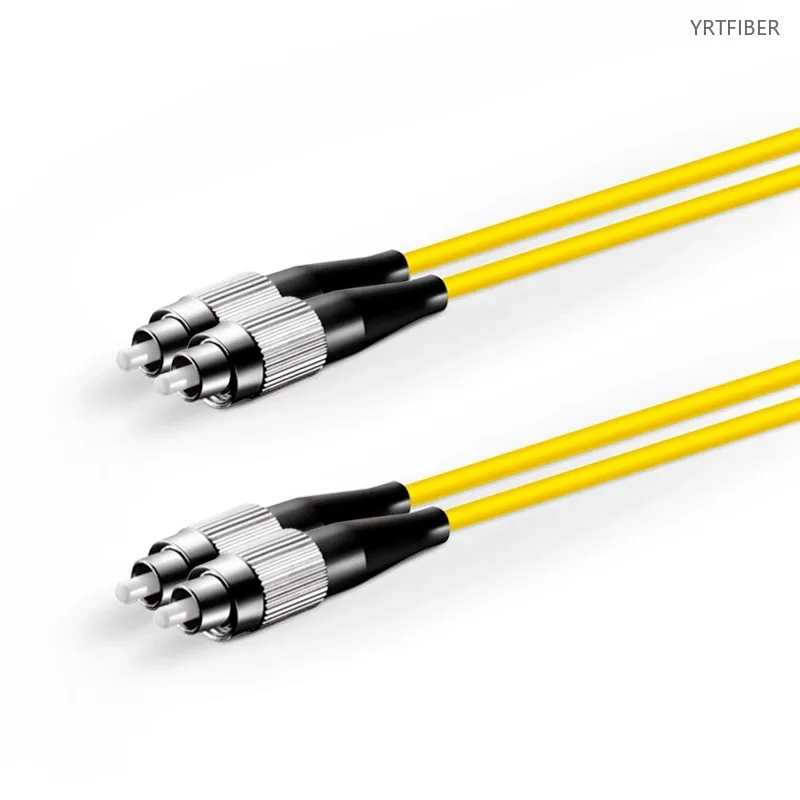
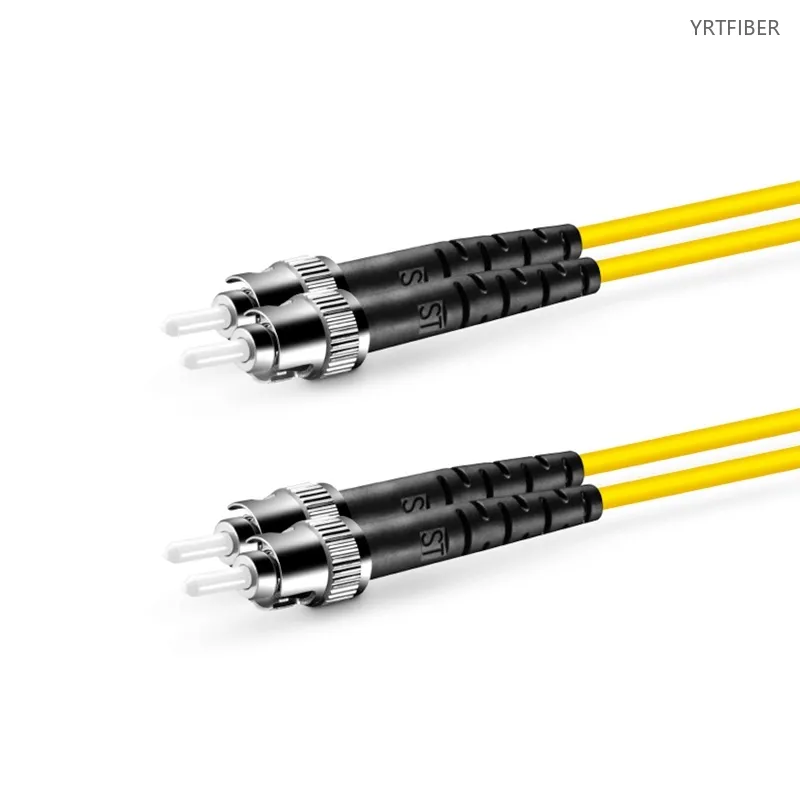
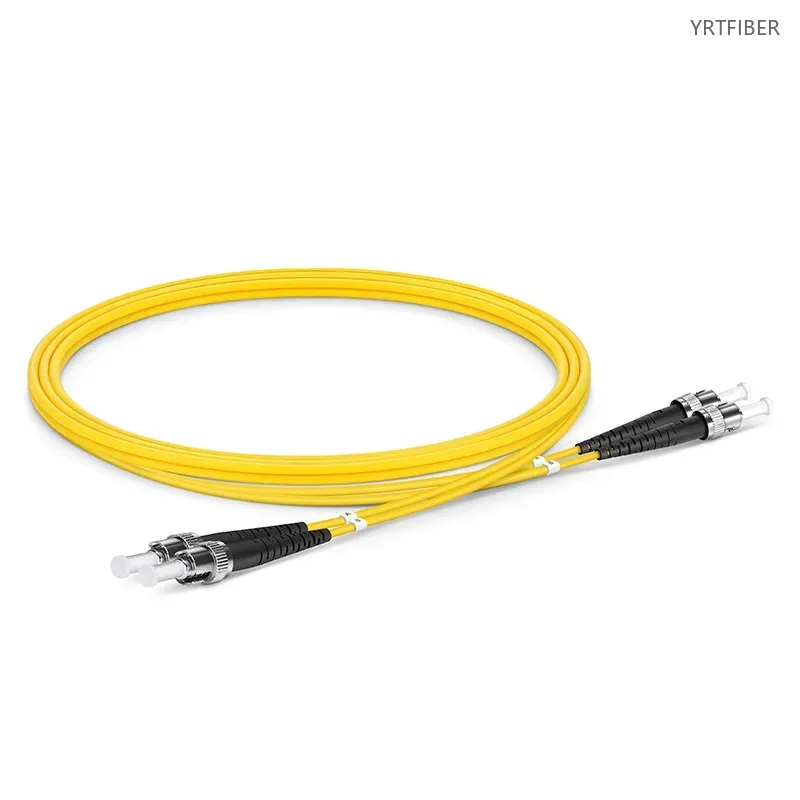
Kord Tampalan Gentian Optik ST-ST UPC / Jumper - Singlemode & Multimode
Untuk antara muka ST: sambungan yang pantas dan boleh dipercayai.
Penyambung pra-digilap untuk kegunaan mudah.
Kehilangan sisipan yang rendah untuk penghantaran isyarat yang cekap.
G.657. Gentian tidak sensitif lentur A1 (jejari lentur min 10 mm).
Ferrule zirkonia memastikan penghantaran berprestasi tinggi.
Jaket riser OFNR untuk keselamatan menegak / antara lantai.
Jaket berkod warna memudahkan pengurusan kabel.
Reka bentuk zipcord dupleks tahan kelim dan lenturan.
Pra-ditamatkan untuk pasang dan main - menjimatkan masa dan kos.
Gred perusahaan boleh dipercayai untuk pusat data, telekom dan rangkaian perusahaan.
Apakah Kord Tampalan Gentian Optik ST - ST UPC?
ST - ST UPC serat optik serat optik adalah kabel yang digunakan untuk mewujudkan sambungan serat yang cepat dan boleh dipercayai antara peranti yang dilengkapi dengan antara muka ST. Ia dilengkapi dengan penyambung pra-digilap, mempunyai kehilangan sisipan yang rendah, dan sesuai untuk aplikasi seperti sistem FTTH, ODF, dan talian komunikasi serat, menawarkan pelbagai kelebihan seperti prestasi lentur yang unggul dan pematuhan keselamatan yang dipertingkatkan.
Kord Tampalan Gentian Optik ST-ST UPC Parameter spesifikasi
- Parameter spesifikasi
- CIRI-CIRI OPTIK
| Penyambung A | Dupleks ST UPC | Penyambung B | Dupleks ST UPC |
|---|---|---|---|
| Kiraan Gentian | 2 Gentian | Gred Gentian | G.657. A1 (Serasi dengan G.652. D) |
| Mod Gentian | OS2 9 / 125μm | Panjang gelombang | 1310 / 1550nm |
| Kekutuban | A (Tx) kepada B (Rx) | Jenis Kabel | Penampan Ketat |
| Diameter Luar Kabel (OD) | 2.0mm | Penarafan Api | Riser (OFNR) |
| Min. Jejari Bengkok (Gentian Optik) | 10mm | Min. Jejari Bengkok (Kabel Gentian) | 10 / 5D (Dinamik / Statik) |
| Ketahanan Penyambung | 1000 kali | Kekuatan Tegangan | 90 / 150N (Jangka Panjang / Pendek) |
| Kehilangan Sisipan | ≤0.3dB | Kerugian Pulangan | ≥50dB |
| Pengecilan pada 1310nm | 0.4dB / km | Pengecilan pada 1550nm | 0.3dB / km |
| Suhu Operasi | -10 hingga 70C (14 hingga 158 ℉) | Suhu Penyimpanan | -20 hingga 70C (-4 hingga 158 ℉) |
Struktur & Komposisi Produk
Teras Gentian dan Pelapisan
: Menggunakan G.657. bengkok A1 - gentian tidak sensitif, yang mempunyai diameter teras 9 / 125 µm. Teras bertanggungjawab untuk membawa isyarat optik, manakala pelapisan membantu mengandungi cahaya dalam gentian, membolehkan penghantaran yang cekap walaupun dalam ruang yang sempit kerana sifatnya yang tidak sensitif.
Penyambung Ferrule Zirkonia
: Penyambung ST dilengkapi dengan ferrule zirkonia. Ferrules ini memastikan penjajaran tepat teras gentian apabila dikawinkan, meminimumkan kehilangan sisipan dan menyediakan penghantaran berprestasi tinggi yang boleh dipercayai.

Jaket Luar
: Jaket berkadar OFNR kalis api memberikan perlindungan mekanikal kepada gentian dalam. Ia direka bentuk untuk digunakan dalam pemasangan menegak dan antara lantai, memastikan keselamatan dengan menghalang penyebaran api. Selain itu, jaket adalah berkod warna, yang membantu dalam pengenalan yang cepat dan tepat semasa persediaan dan penyelenggaraan.
Reka Bentuk Zipcord Dupleks
: Reka bentuk zipcord dupleks bertetulang terdiri daripada dua gentian bersebelahan, disatukan dengan cara yang meminimumkan risiko kerosakan akibat pengeliman atau lenturan. Reka bentuk ini amat berguna dalam senario pengurusan kabel di mana kord mungkin tertakluk kepada pelbagai tekanan mekanikal.
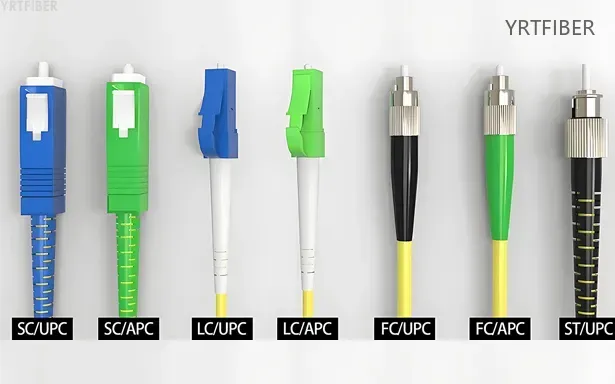
Faedah daripada Kord Tampalan Gentian Optik ST-ST UPC
Persembahan Bengkok Unggul
Penggunaan G.657. A1 selekoh - gentian tidak sensitif membolehkan jejari selekoh minimum 10mm. Ini sangat bermanfaat dalam aplikasi di mana ruang terhad, seperti dalam dulang kabel pusat data atau dalam rongga dinding dalam pemasangan FTTH. Ia mengurangkan kehilangan isyarat yang boleh berlaku akibat lenturan, memastikan penghantaran isyarat yang stabil.

Ketepatan Rendah - Ketersambungan Kehilangan
Penyambung ferrule zirkonia menawarkan penghantaran yang boleh dipercayai dan berprestasi tinggi dengan kehilangan sisipan yang minimum. Penjajaran tepat yang disediakan oleh ferrule zirkonia memastikan isyarat optik dipindahkan dengan cekap antara peranti yang disambungkan, menjadikannya sesuai untuk penghantaran data berkelajuan tinggi dalam rangkaian telekomunikasi dan pusat data.

Pematuhan Keselamatan yang Dipertingkatkan
Jaket berkadar OFNR kalis api adalah ciri keselamatan yang penting. Ia direka untuk pemasangan menegak dan antara lantai, memastikan bahawa sekiranya berlaku kebakaran, penyebaran api diminimumkan. Ini menjadikannya pilihan yang ideal untuk bangunan di mana keselamatan kebakaran adalah keutamaan, seperti kompleks komersial dan kediaman dengan pelbagai tingkat.

Aplikasi Kejuruteraan Kord Tampalan Gentian Optik ST-ST UPC

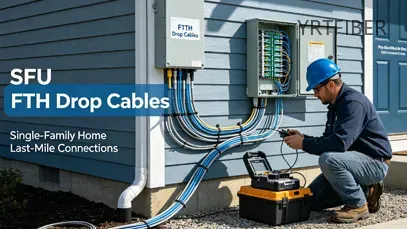
Serat - ke - Rumah (FTTH)
Dalam aplikasi FTTH, kord tampalan gentian optik ST - ST UPC digunakan untuk menyambungkan unit rangkaian optik (ONU) pada hujung pengguna ke rangkaian pengedaran optik (ODN). Prestasi selekoh yang unggul dan jaket berkod warna yang mudah diurus menjadikannya sesuai untuk penghalaan melalui ruang yang sempit di bangunan kediaman, menyediakan akses jalur lebar berkelajuan tinggi dan boleh dipercayai kepada pengguna.
Sistem Rangka Pengedaran Optik (ODF).
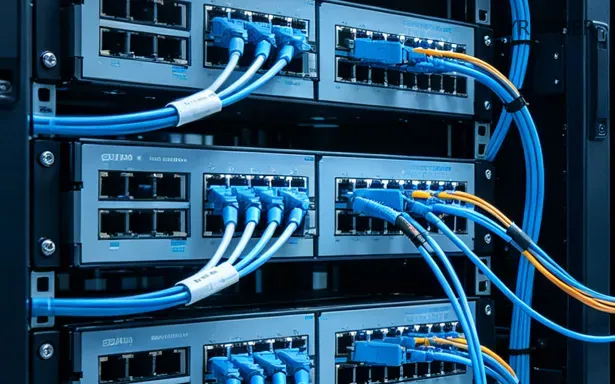
Dalam sistem ODF, yang digunakan untuk mengurus dan mengedarkan gentian optik dalam rangkaian telekomunikasi, kehilangan sisipan kord tampalan ST - ST UPC yang rendah dan reka bentuk kord zip dupleks yang tahan lama sangat dihargai. Ia membolehkan sambungan yang boleh dipercayai antara komponen optik yang berbeza dalam ODF, memastikan operasi rangkaian berjalan lancar.

Pusat Data
Di pusat data, di mana penghantaran data berkelajuan tinggi dan boleh dipercayai adalah penting, Kord Tampalan Gentian Optik ST - ST UPC memenuhi keperluan. Kebolehpercayaan gred perusahaannya, ketersambungan kehilangan rendah ketepatan, dan ciri pengurusan kabel yang mudah menjadikannya sesuai untuk menyambungkan pelayan, peranti storan dan peralatan rangkaian, memudahkan aliran data yang cekap dalam pusat data.
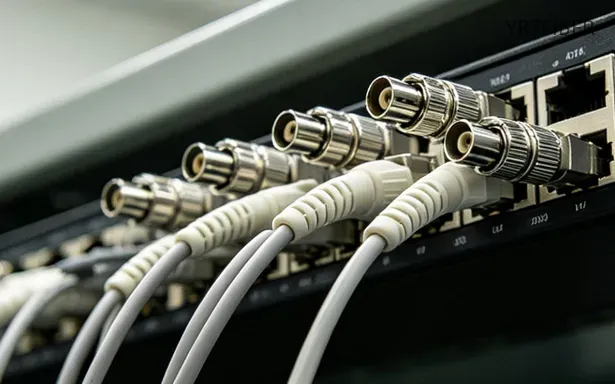
Rangkaian Perusahaan
Untuk rangkaian perusahaan, kord tampalan ST - ST UPC memberikan prestasi yang konsisten. Sama ada untuk menyambungkan peralatan rangkaian jabatan yang berbeza atau untuk menyokong aplikasi lebar jalur tinggi seperti persidangan video dan perkongsian data, ciri pra-penamatan penggunaan pantas dan kehilangan sisipan yang rendah menyumbang kepada pengalaman rangkaian yang lancar.
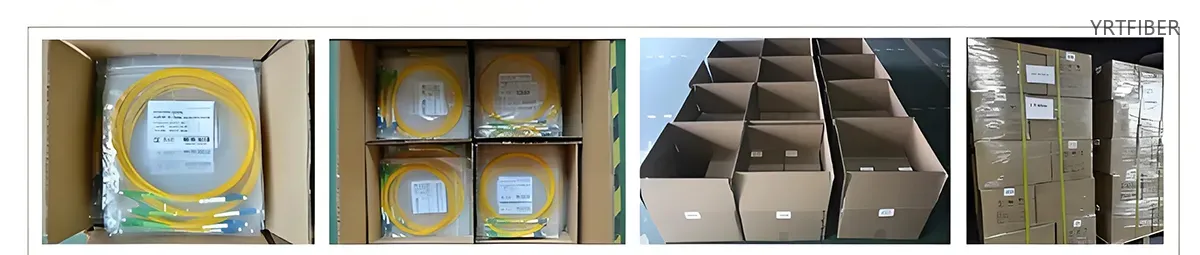
Penghantaran & Pembungkusan

Perbandingan Produk:
ST - ST UPC vs SC - ST UPC
| Feature / Dimension | ST - ST UPC Fiber Patch Cable | SC - ST UPC Fiber Patch Cable |
|---|---|---|
| Structure / Form Factor | Both ends have ST connectors with a bayonet - type coupling mechanism. The ST connector has a circular body with a 2.5mm zirconia ferrule. | One end has an SC connector with a rectangular body and push - pull locking mechanism, and the other end has an ST connector with a bayonet - type coupling mechanism. The SC connector has a 2.5mm zirconia ferrule, and the ST connector has a circular body. |
| Coupling Mechanism | Bayonet - type coupling for quick and secure connection. Rotating the connector locks it in place, providing a stable connection. | The SC end has a push - pull locking mechanism, which is easy to operate. The ST end has a bayonet - type coupling for secure connection. |
| Typical Applications | FTTH, ODF systems, data centers, and enterprise networks where both ends require ST - type connections for compatibility with existing equipment. | Used when one side of the connection needs an SC - type interface, such as in some modern telecom equipment with SC interfaces, while the other side needs to connect to legacy equipment with ST interfaces. |
| Key Engineering Pros | - Consistent connection type simplifies cable management in homogeneous ST - based systems. - Bayonet - type coupling provides a relatively quick and secure connection. - Color - coded jackets for easy identification. | - Flexibility to connect different interface types. - Push - pull mechanism on the SC end allows for easy connection and disconnection in some applications. |
| Key Engineering Cons | - Less flexible in terms of interface compatibility compared to the SC - ST combination. - Bayonet - type coupling may require some practice to ensure proper connection. | - The combination of two different connector types may lead to more complex cable management. - The push - pull mechanism on the SC end may be less secure in high - vibration environments compared to the bayonet - type coupling of ST. |
| Tolerance to Vibration / Shock | Good tolerance to vibration and shock due to the bayonet - type coupling, which provides a stable connection. However, it may be affected by extreme vibration if not properly installed. | The ST end has good vibration resistance, but the SC end's push - pull mechanism may be more prone to loosening under high - vibration conditions. |
| Cable Jacket Options | Flame - retardant OFNR riser - rated jacket is a common option for safety - critical installations. May also be available in other materials like PVC for general - purpose use. | Similar jacket options as ST - ST, but the choice may also depend on the specific requirements of the equipment connected to the SC end. |
| Fiber Mode Options | Primarily single - mode, suitable for long - distance and high - bandwidth applications. | Can support both single - mode and multimode fibers depending on the application requirements, as the SC connector is commonly used in both types of fiber systems. |
| Cost (Relative) | Generally cost - effective for applications where ST - ST connections are required, as it has a more straightforward manufacturing process compared to mixed - connector types. | May be slightly more expensive due to the complexity of manufacturing two different connector types on a single cable. |
| Maintenance & Handling | Color - coded jackets simplify maintenance. The bayonet - type coupling may require occasional inspection to ensure proper locking. Cleaning of the ST connectors is standard. | Requires attention to two different connector types during maintenance. The SC connector may need more careful handling due to its push - pull mechanism, and the ST connector needs standard cleaning and inspection. |
Kord Tampalan Gentian Optik ST-ST UPC Panduan Pemilihan
How to Choose the ST - ST UPC Fiber Optic Patch Cord
When choosing an ST - ST UPC Fiber Optic Patch Cord, several factors should be considered. First, assess the interface requirements of your devices. If both the source and destination devices have ST interfaces, and you want a consistent and straightforward connection, the ST - ST UPC cord is an obvious choice. This is often the case in legacy systems or homogeneous networks where ST - based equipment is prevalent.
Second, consider the installation environment. If the installation involves vertical or inter - floor runs where fire safety is a concern, the flame - retardant OFNR riser - rated jacket of the ST - ST UPC cord makes it a suitable option. Additionally, in spaces with limited room for cable routing, the superior bend performance of the G.657.A1 fiber can be a significant advantage.
Cost is another important factor. If cost - effectiveness is a priority and you don't need the flexibility of different connector types, the ST - ST UPC cord, with its relatively simple manufacturing process, can offer a more budget - friendly solution. However, if your network infrastructure includes a mix of equipment with different interface types, you may need to consider other options like the SC - ST UPC cord.
Finally, think about the level of vibration or shock in the operating environment. If the installation is in an area with significant vibration, the bayonet - type coupling of the ST - ST UPC cord can provide a relatively stable connection, but proper installation and regular inspection are necessary to ensure long - term reliability.
ST-ST UPC Fiber Patch Cord Installation Instructions
Remove protective dust caps from both ST connectors and equipment fiber ports.
Match the bayonet notch of ST connectors with ports, insert fully and turn clockwise to secure connection.
Route the patch cord properly; do not bend or pull it forcibly.
Put dust caps back to protect end faces when unused.
Warning: Contamination on fiber end faces will cause signal loss.
Muat turun Katalog Produk YRTFIBER
Tembakan Sebenar Kilang
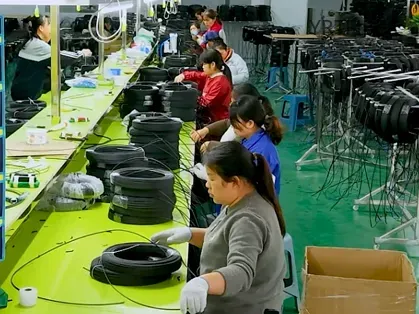
State-of-the-Art Manufacturing Facilities
Our 60.000 m² dust-free workshop is equipped with over 21 automated production lines for both single-core and MPO patch cords. Key machinery includes high-precision fiber cutters (tolerance: ±0.08 mm), FLC automatic termination machines, and UV curing systems. This setup enables a daily output of thousands of connectors while maintaining consistent quality.
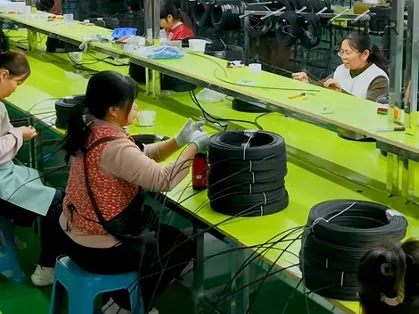
Precision Core Manufacturing Process
The process begins with micro-tolerance cutting (end-face angle tolerance: ±0.5°) and six-axis fusion splicing (core deviation ≤1 μm). After multilayer jacketing with LSZH, PVC, or OFNP materials, connectors undergo automated polishing for PC, UPC, or APC finishes. The line achieves up to 7.000 connectors per 11-hour shift.
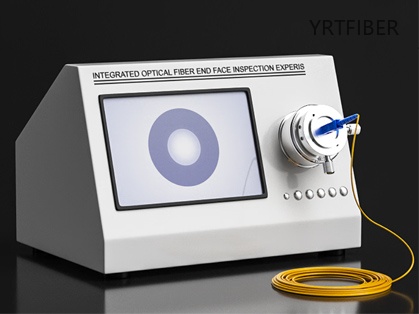
Rigorous Quality Assurance & Testing
Every patch cord is subject to 100% inspection, including interferometric end-face analysis (400x magnification), automated contamination detection, and insertion/return loss testing via OTDR. Additionally, environmental samples must pass temperature, humidity, and pull-force tests in compliance with IEC/TIA standards.
Soalan Lazim & Pertanyaan Pantas
Kord Tampalan Gentian Optik ST-ST UPC FAQ
Q1: What is an ST-ST singlemode patch cord used for?
A1: It's used to connect devices with ST ports in FTTH, ODF, and telecom systems.
Q2: What fiber types are available?
A2: G652D and G657A single-mode fibers.
Q3: What polish type does it use?
A3: ST connectors are UPC polished by default.
Q4: Can I choose different jacket materials?
A4: Yes, PVC, LSZH, and OFNP jackets are available.
Q5: Is this patch cord factory tested?
A5: Yes, all cords are polished and insertion loss-tested before shipping.
Hantar Pertanyaan Anda
Isi borang di bawah dan kami akan kembali kepada anda dalam masa 24 jam.


