

 Español
 Português
 لالعربية
 Русский
 Bahasa Indonesia
 Français
 Türkçe
 Bahasa Melayu
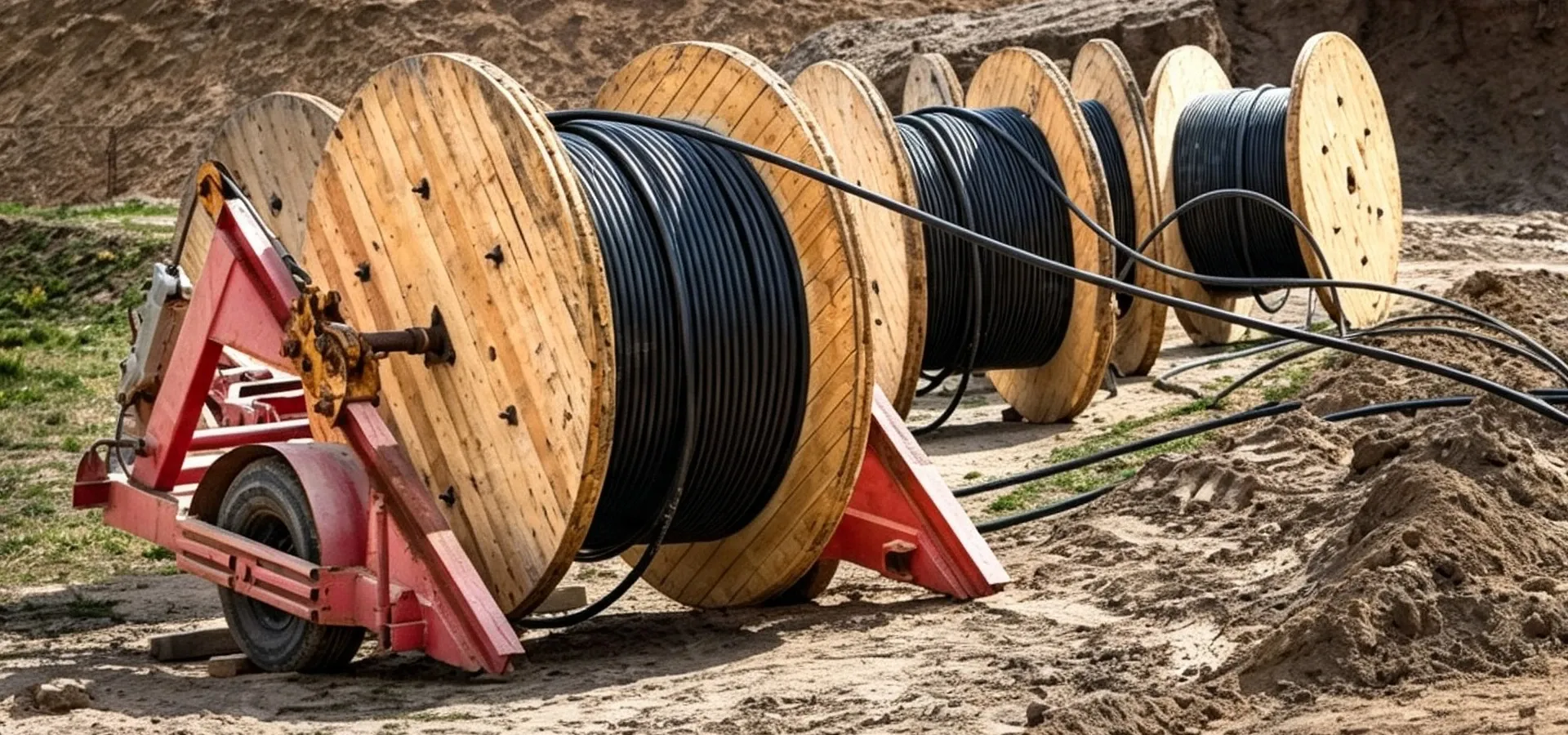
Direct Buried Fiber Optic Cable Solutions
YRTFIBER supplies direct buried fiber optic cable for underground telecom, FTTx, backbone and access networks. Choose GYTA53, GYTY53, GYFTY53, GYFTA53 and GYTS armored cable with water blocking, PE sheath, steel tape armor and customized fiber counts.
Send Your InquiryDirect Buried Fiber Optic Cable for Underground Networks
Direct buried fiber optic cable is designed to be installed underground without being pulled through a full protective duct route. Because the cable is exposed to soil pressure, moisture, stones, ground movement and possible construction damage, it requires a stronger cable structure than standard outdoor fiber cable.
YRTFIBER supplies Direct Burial Fiber Optic Cable for telecom backbone, metro network, FTTH/FTTx access, campus backbone, transportation, industrial parks and rural broadband projects. Common structures include steel tape armor cable, double-jacket buried cable, all-dielectric armored cable, stranded loose tube cable and water-blocking outdoor cable.
Fiber count, fiber type, armor material, strength member, sheath thickness, cable diameter, drum length, cable marking and packing can be customized according to project drawings or tender requirements.
For underground backbone, access and distribution routes
For stronger crush resistance, moisture protection and rodent protection
For direct burial, shallow trench, duct transition and cable chamber routes
For 2-288 core singlemode or multimode fiber cable projects
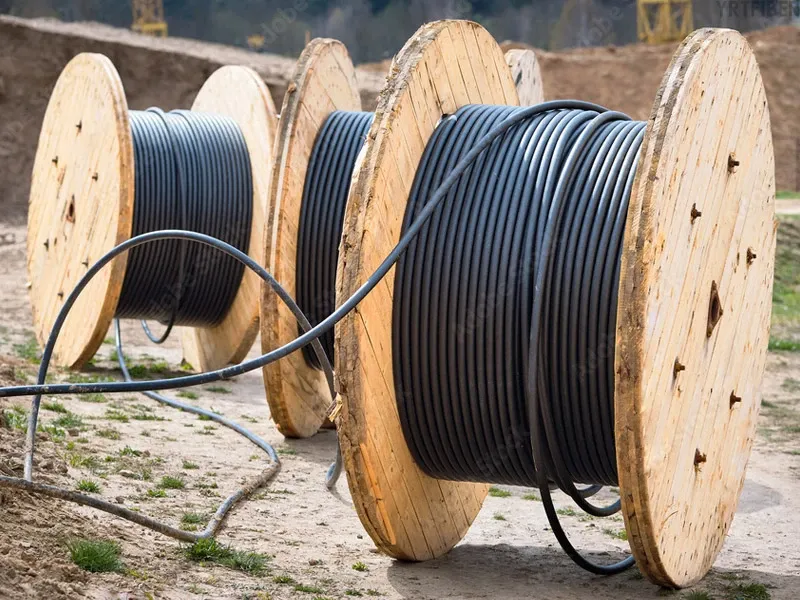


Why Use Direct Burial Fiber Cable?
Direct burial cable is selected when the route needs underground protection but a complete duct system is not planned or is not practical. The cable structure helps reduce the risk of fiber damage during installation and long-term service in soil.
Higher Crush Resistance
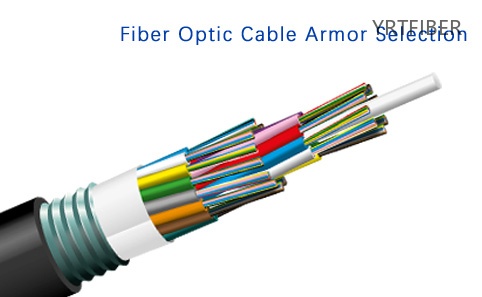
Steel tape armor, corrugated armor or double-jacket construction helps protect the optical fibers from soil pressure, stones, tools and external impact.
Moisture and Water Blocking
Loose tube filling, water-blocking tape, water-blocking yarn and PE sheath help protect the cable core from moisture migration in underground routes.
Rodent and Mechanical Protection
Armored structures are commonly used where buried cable may face rodents, rough backfill, construction disturbance or exposed transition points.
Long Outdoor Service Life
Outdoor PE or HDPE sheath, stable cable geometry and proper tensile strength help the cable perform reliably in telecom backbone and access networks.
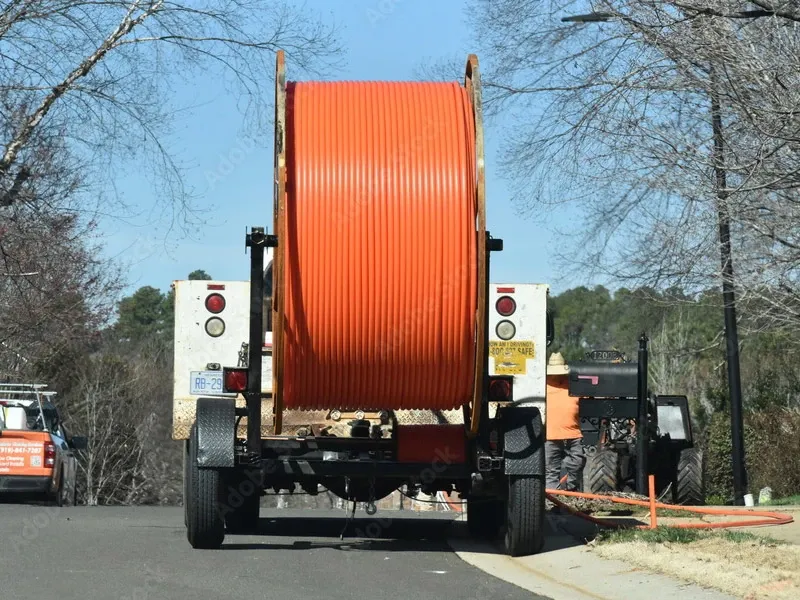
Direct Buried Fiber Optic Cable Specifications
YRTFIBER supports standard and customized direct burial fiber optic cable structures for telecom operators, contractors, distributors and project integrators.
| Item | Available Options |
|---|---|
| Fiber Count | 2, 4, 6, 8, 12, 24, 48, 72, 96, 144, 288 cores or customized |
| Fiber Type | G.652D, G.655, G.657A1, G.657A2, OM1, OM2, OM3, OM4 |
| Cable Structure | Stranded loose tube, central loose tube, double jacket, steel tape armored, all-dielectric armored |
| Recommended Cable Types | GYTA53, GYTY53, GYFTY53, GYFTA53, GYTS or customized buried cable structure |
| Armor Type | Steel tape armor, corrugated steel tape, aluminum tape, non-metallic armor or customized protection layer |
| Strength Member | Steel wire, FRP, non-metallic strength member or customized reinforcement |
| Water Blocking | Tube filling compound, water-blocking tape, water-blocking yarn, moisture barrier and PE outer sheath |
| Sheath Material | PE, HDPE, LSZH on request, single jacket or double jacket |
| Customization | Cable marking, color stripe, sheath thickness, drum length, wooden drum, OEM label and test report |
How to Select Direct Buried Fiber Optic Cable
The right buried cable depends on soil condition, trench depth, installation tension, fiber count, water exposure, electrical environment and long-term maintenance risk. Share your route information and we can help match the cable structure before quotation.
Heavy-duty direct burial: Choose GYTY53 when the route needs stronger underground protection and a double-jacket buried cable structure.
Backbone buried route: Choose GYTA53 for stranded loose tube cable with aluminum-polyethylene inner sheath, steel tape armor and PE outer sheath.
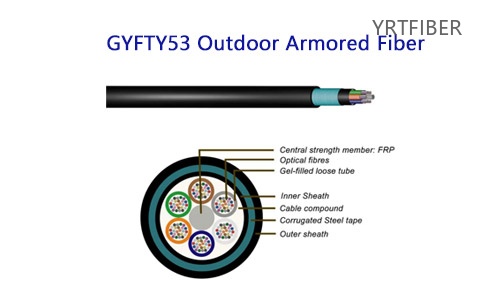
Non-metallic strength requirement: Choose GYFTY53 or GYFTA53 when FRP strength member or all-dielectric structure is preferred.
Telecom access and distribution: Choose GYTS when a steel tape armored stranded loose tube cable is required for outdoor access routes.
Wet soil or water-prone route: Confirm water-blocking tape, filling compound, sheath material and cable end sealing before installation.
High mechanical risk: Increase armor protection, sheath thickness or route protection when the cable may face stones, vehicles, rodents or repeated construction activity.
Common Applications
Direct buried fiber optic cable is used where underground cable routes need stronger physical protection and stable long-distance optical transmission.
Telecom backbone and metro fiber networks
FTTH, FTTB and FTTx access networks
Rural broadband underground cable deployment
Campus, industrial park and enterprise backbone routes
Roadside, railway and transportation communication routes
Underground cable chambers and handhole connections
Power communication and utility communication networks
Duct-to-direct-burial transition sections
Custom Direct Burial Cable Manufacturing
YRTFIBER can manufacture direct buried fiber optic cable according to your tender document, project specification, drawing, sample or route condition. We support project orders, distributor stock orders and OEM packaging.
Customized Cable Structure
Choose cable type, fiber count, loose tube design, water-blocking method, armor material, strength member, sheath material and cable diameter.
Project Selection Support
We help compare GYTA53, GYTY53, GYFTY53, GYFTA53 and GYTS according to trench condition, route length, mechanical risk and budget.
Factory Testing
Optical attenuation, fiber continuity, cable appearance, length, marking and packing can be inspected before shipment. Test reports are available on request.
Export-Ready Packaging
Wooden drums, cable labels, carton marks, OEM labels, shipping marks and documents can be prepared according to order requirements.
Frequently Asked Questions
What information should I provide for a direct buried fiber optic cable quotation?
Please provide the cable type, fiber count, fiber type, installation method, route length, trench or soil condition, required quantity, drum length, jacket material, armor requirement, and destination port. If you are not sure about the exact model, you can share your underground project conditions and we will recommend a suitable direct burial fiber optic cable structure.
How do I choose the right direct buried fiber optic cable for my project?
The right cable depends on soil condition, trench depth, water exposure, pulling tension, mechanical pressure, rodent risk, fiber count, and whether metallic or non-metallic strength members are required. GYTA53 and GYTY53 are common choices for steel tape armored direct burial routes, while GYFTY53 or GYFTA53 can be selected when FRP or all-dielectric construction is preferred.
Can direct buried fiber optic cable be customized?
Yes. We can customize fiber count, fiber type, cable structure, armor material, strength member, jacket material, cable diameter, sheath color, printing text, drum length, packing method, and OEM label. Custom designs can be made according to your project drawings, tender documents, or technical specifications.
What is the typical fiber count for direct buried fiber optic cable?
Direct buried fiber optic cables can be supplied with different fiber counts, such as 2 core, 4 core, 12 core, 24 core, 48 core, 96 core, 144 core, 288 core, or higher. The best fiber count depends on network capacity, route design, future expansion needs, and project budget.
Is direct buried fiber optic cable suitable for harsh underground environments?
Yes. Direct burial fiber cable can be designed with PE or HDPE outer sheath, steel tape armor, double jacket, water-blocking tape, filling compound, FRP strength member, or other reinforcement structures. For wet soil, rocky backfill, road crossings, heavy pressure, or rodent-prone areas, the cable structure should be confirmed before production.
What affects the price of direct buried fiber optic cable?
The price is mainly affected by fiber count, fiber type, cable structure, armor type, jacket material, sheath thickness, tensile strength, water-blocking design, order quantity, packaging, and customization needs. Sending complete project details helps us provide a more accurate and cost-effective quotation.
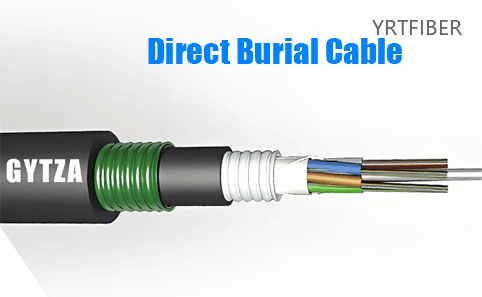
Get a Quote for Direct Buried Fiber Optic Cable
Send your underground route information, fiber count, cable type and quantity. Our team will help recommend a suitable direct burial fiber optic cable structure and provide quotation, lead time, packing details and shipping suggestion.
Heavy-duty direct burial cable: GYTY53
Steel tape armored buried cable: GYTA53 and GYTS
FRP or non-metallic strength cable: GYFTY53 and GYFTA53
Custom options: fiber count, fiber type, armor, sheath, drum length, marking and OEM packing
Project support: cable selection, packing confirmation, test report and export documents
For an accurate quote, include cable route, soil or trench condition, required standard, fiber count, total length, quantity and delivery destination.


