

 Español
 Português
 لالعربية
 Русский
 Bahasa Indonesia
 Français
 Türkçe
 Bahasa Melayu

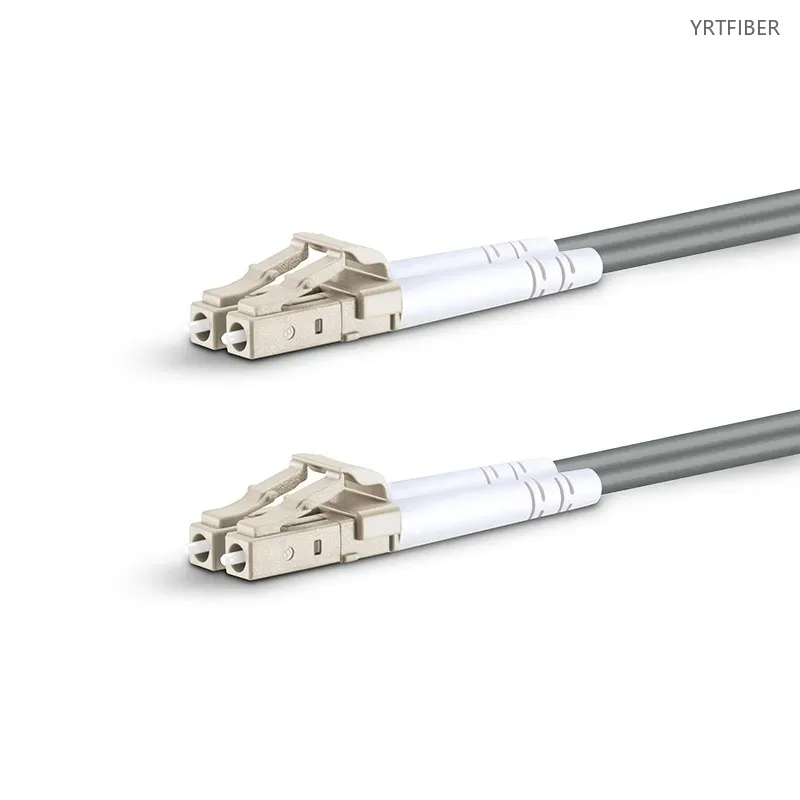
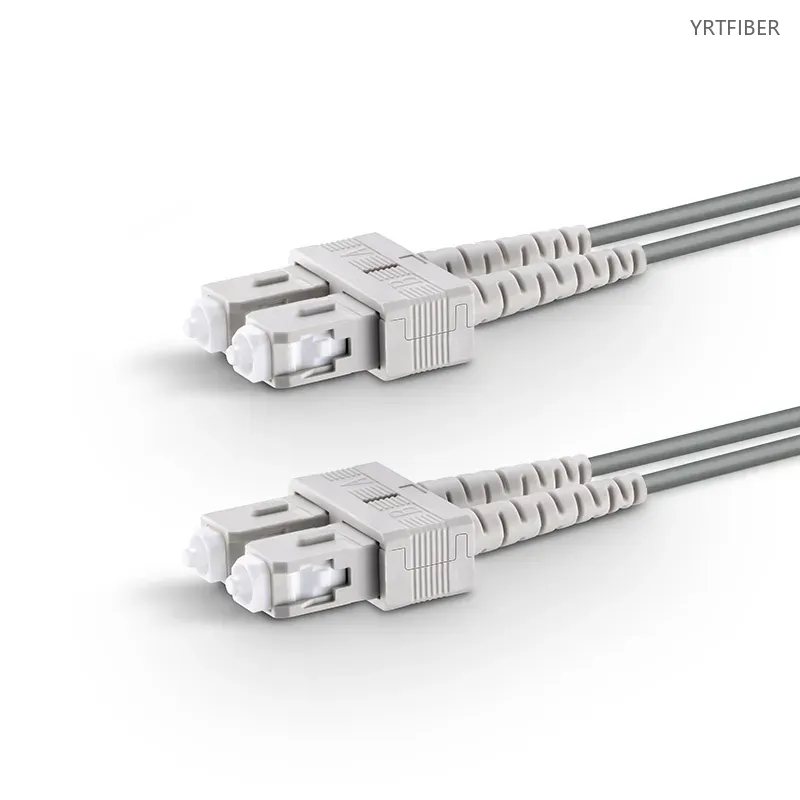
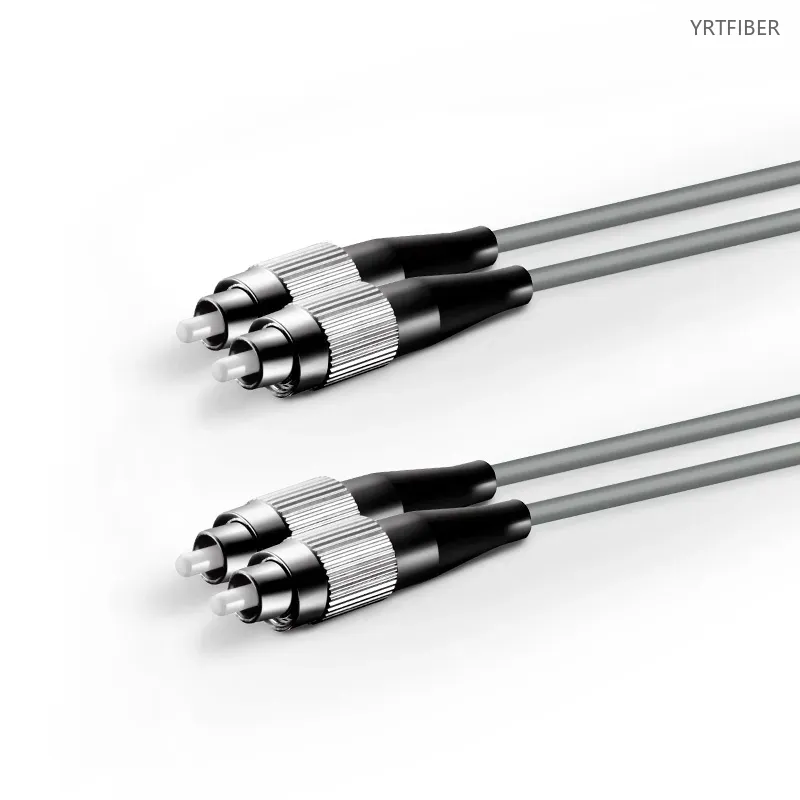
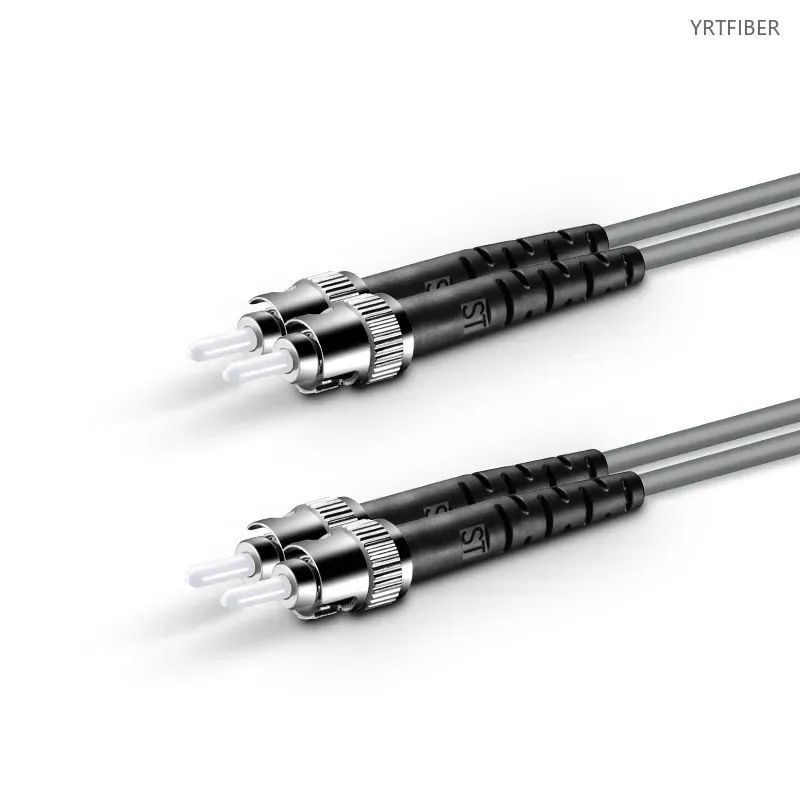
OM1/OM2 Armored Multimode Fiber Patch Cord for Indoor Applications
Multimode 62.5/125μm (OM1) or 50/125μm (OM2) fiber options.
Armored stainless steel tube enhances durability and protection.
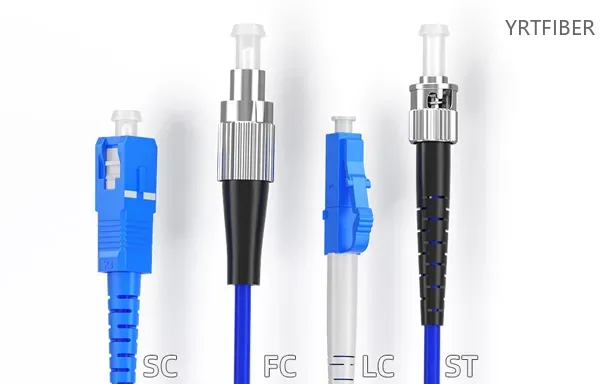
Available with LC, SC, FC, or ST connectors (UPC polish).
Low insertion loss and reliable signal performance.
LSZH jacket ensures flame resistance and safety for indoor use.
What is an OM1/OM2 Armored Multimode Fiber Patch Cord
The OM1/OM2 Armored Multimode Fiber Patch Cord is a specialized optical fiber cable designed to provide reliable and durable connectivity in various network environments. It combines the advantages of multimode fiber technology with enhanced protection offered by an armored structure. This patch cord is suitable for applications where mechanical protection and high - speed data transmission are required.
OM1/OM2 Armored Multimode Fiber Patch Cord Specification parameters
- Specification parameters
- OPTICAL CHARACTERISTICS
| Specifications | |||
|---|---|---|---|
| Connector Type | LC/SC/ST/FC/LSH | Polish Type | UPC to UPC |
| Fiber Mode | OM1/OM2 | Wavelength | 850/1300nm |
| Fiber Count | Duplex | Polarity | A (Tx) to B (Rx) |
| Fiber Grade | G.651 (OM1) / Bend Insensitive (OM2) | Min. Bend Radius | 20/10D (Dynamic/Static) |
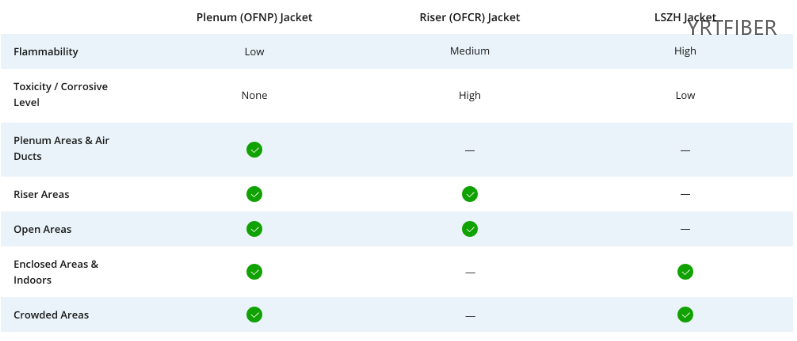
| Cable Jacket | Riser (OFCR - Optical Fiber Conductive Riser) / LSZH / Plenum (OFNP) | Tensile Load | 120/225N (Long/Short Term) |
| Insertion Loss | ≤0.3dB | Return Loss | ≥30dB |
| Cable Jacket | Riser (OFCR) / LSZH / Plenum (OFNP) | Jacket Color | Gray |
| Operating Temperature | -25~70°C | Storage Temperature | -25~70°C |
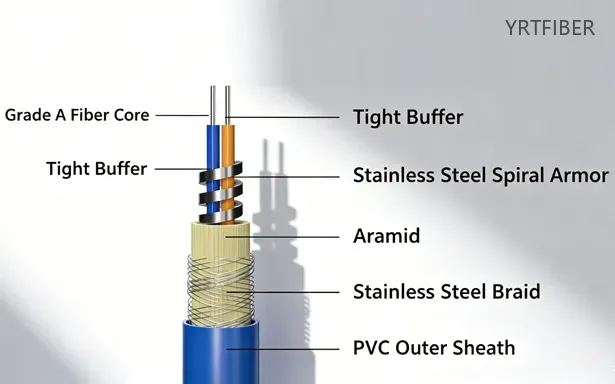
Product Structure & Composition
Optical fibers: OM1/OM2 multimode, supporting multiple light modes with low signal attenuation.
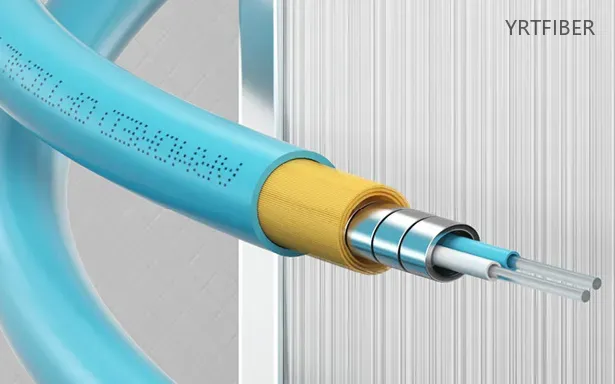
Armor layer: Provides mechanical protection against impact, pulling, and compression to ensure long‑term performance.
Jacket: PVC or LSZH material; offers moisture, dust, and chemical resistance. LSZH is low‑smoke, halogen‑free for fire‑sensitive environments.
Connectors: Terminated with standard multimode connectors (e.g., SC, LC, ST); ceramic ferrules ensure precise alignment and reliable connection.
Benefits of OM1/OM2 Armored Multimode Fiber Patch Cord
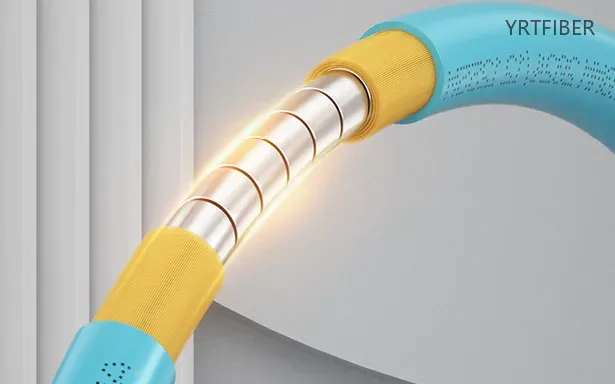
Industrial environments
Armor layer withstands crushing, impacts, and sharp objects, ensuring stable operation and reducing downtime/maintenance costs.
Data centers
Supports high‑bandwidth connections for fast data transfer between servers, storage, and switches, enabling cloud computing, analytics, and virtualization.
Flexible installation
Optimal bend radius allows easy routing through tight conduits and corners, reducing installation time and complexity.
Versatile compatibility
Supports both OM1 and OM2 fibers, suitable for legacy network upgrades and new high‑speed deployments, offering a cost‑effective solution.
Engineering Applications OM1/OM2 Armored Multimode Fiber Patch Cord
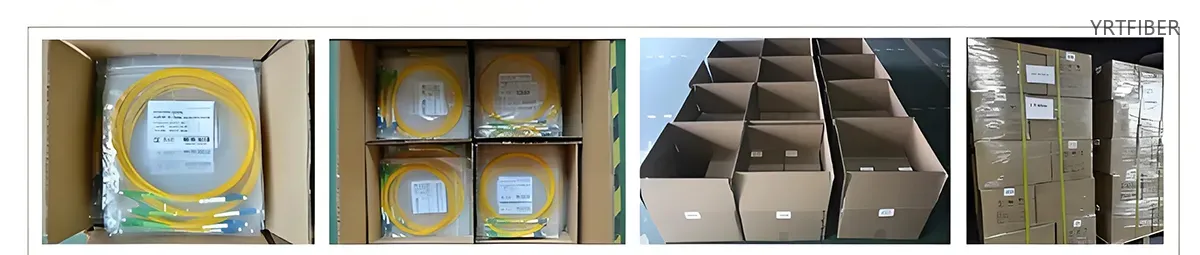
Shipping & Packaging

Product Comparison:
| Feature | OM1/OM2 Armored Multimode Fiber Patch Cord | Non - Armored Multimode Fiber Patch Cord |
|---|---|---|
| Mechanical Protection | High - level protection against crushing, bending, and abrasion due to armored layer | Lower protection, more vulnerable to physical damage |
| Installation Complexity | Slightly more rigid due to armor, but still flexible with optimal bending radius | More flexible, easier to install in extremely tight spaces |
| Durability | Longer lifespan in harsh environments, suitable for industrial and high - stress areas | May have a shorter lifespan in environments with physical stress |
| Application Focus | Ideal for harsh environments like industrial settings, data centers with high cable handling, and areas with high foot traffic | Suitable for indoor, low - stress environments such as regular office LANs |
OM1/OM2 Armored Multimode Fiber Patch Cord Selection Guide
Consideration of Environment
If the network installation is in a harsh environment, such as an industrial area, construction site, or a location with high foot traffic, the OM1/OM2 armored multimode fiber patch cord is the better choice. The armored layer provides the necessary protection to ensure the cable's long - term reliability.
For indoor, low - stress environments like a standard office LAN, a non - armored multimode fiber patch cord may be sufficient, as it offers more flexibility in installation and is generally more cost - effective.
Data Rate Requirements
If the application requires high - speed data transmission, and the distance is within the range supported by multimode fibers (up to a few hundred meters for OM2 at 1 Gbps), the OM2 option of the patch cord should be selected. For applications with lower data rate requirements, such as basic office networking, OM1 may be adequate.
Cost - Benefit Analysis
Armored multimode fiber patch cords are generally more expensive due to the additional armored layer. However, in environments where cable damage is likely and network downtime is costly, the long - term cost savings from reduced maintenance and replacement make the armored version a more cost - effective choice. In low - risk environments, the cost - savings of a non - armored patch cord may be more appealing.
Installation Instructions
Pre‑installation inspection: Visually check armor, jacket, and connectors for damage; clean ferrule ends if dirty.
Cable routing: Plan route to respect the minimum bend radius; run through conduits, trays, or along walls to avoid physical damage.
Connector mating: Align connector key with port slot; insert and push (or twist for ST) until locked.
Testing: Measure insertion loss with an optical power meter; verify against specification. Re‑check connections or cable if reading exceeds limit.
Download YRTFIBER Product Catalog
Factory Real Shot
Frequently Asked Questions & Quick Inquiry
OM1/OM2 Armored Multimode Fiber Patch Cord FAQ
Q1: What’s the difference between OM1 and OM2 fibers?
A1: OM1 uses 62.5/125μm fiber, while OM2 uses 50/125μm. OM2 supports higher bandwidth over longer distances.
Q2: Are these patch cords armored?
A2: Yes, they include a flexible stainless-steel tube for crush and bend protection.
Q3: What connectors are available?
A3: SC, LC, FC, and ST connectors are available, all with UPC polish.
Q4: Can this cable be used in ODFs?
A4: Yes, it’s ideal for ODFs, telecom rooms, and LAN patching.
Q5: Is the jacket LSZH-rated?
A5: Yes, it uses a low-smoke, halogen-free jacket suitable for indoor environments.
Can the armored layer be removed for easier installation?
The armored layer is an integral part of the patch cord's protection mechanism. Removing it would significantly reduce the cable's ability to withstand mechanical stress. In most cases, the patch cord is designed with an optimal bending radius to facilitate installation without the need to remove the armor. If the installation space is extremely tight, alternative cable routing methods or specialized installation tools should be considered instead of removing the armor.
What is the difference between OM1 and OM2 fibers in terms of performance?
OM1 fibers typically support data rates of up to 100 Mbps over relatively short distances, usually up to 220 meters for 1000BASE - SX Ethernet. OM2 fibers, on the other hand, can support data rates of up to 1 Gbps over longer distances, up to 550 meters for 1000BASE - SX Ethernet. OM2 fibers have a smaller core diameter (50μm compared to 62.5μm for OM1) and lower modal dispersion, which allows for higher data rates over longer distances.
How do I choose the right connector type for the patch cord?
The choice of connector type depends on the equipment you are connecting. SC connectors are widely used in fiber - optic networks due to their simplicity and high - density packaging. LC connectors are popular in data centers for their small size and high - speed performance. ST connectors are commonly used in older network installations and some industrial applications. Consider the type of ports on your network equipment and the future expansion plans of your network when choosing the connector type.
Send Your Inquiry
Fill out the form below and we'll get back to you within 24 hours.


