

 Español
 Português
 لالعربية
 Русский
 Bahasa Indonesia
 Français
 Türkçe
 Bahasa Melayu

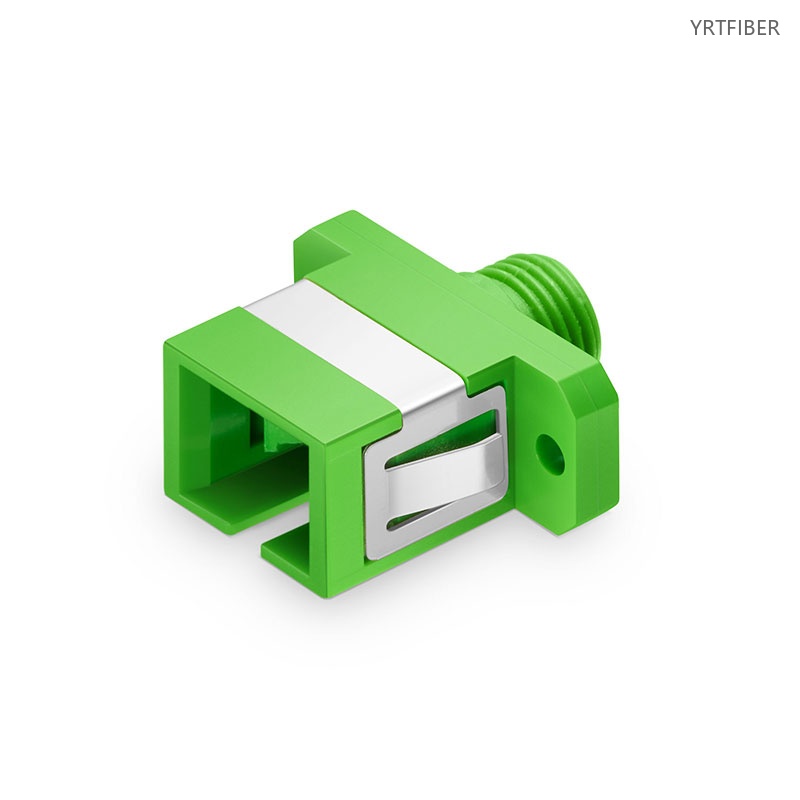
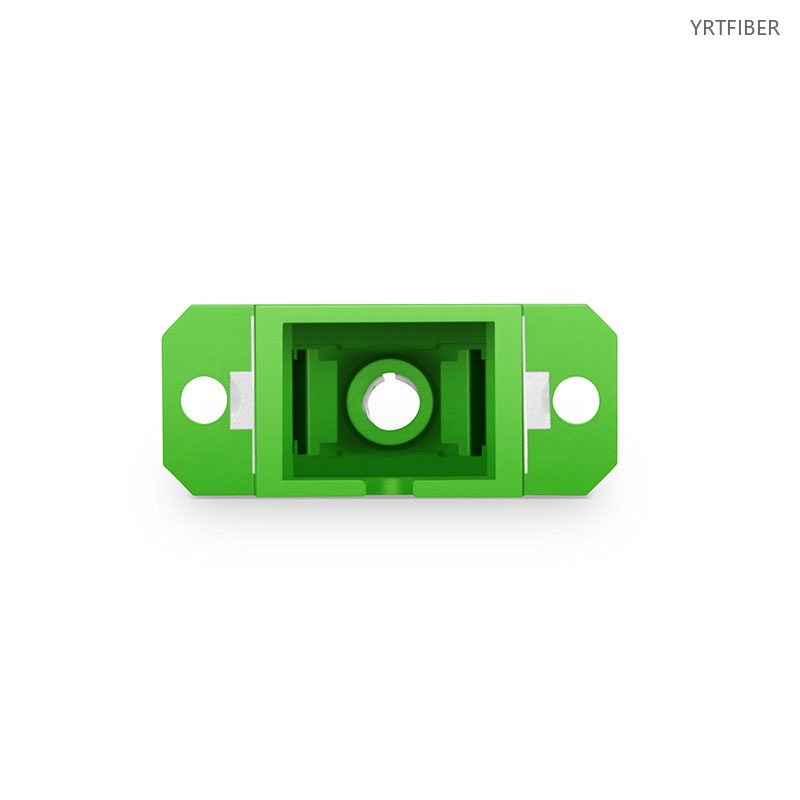
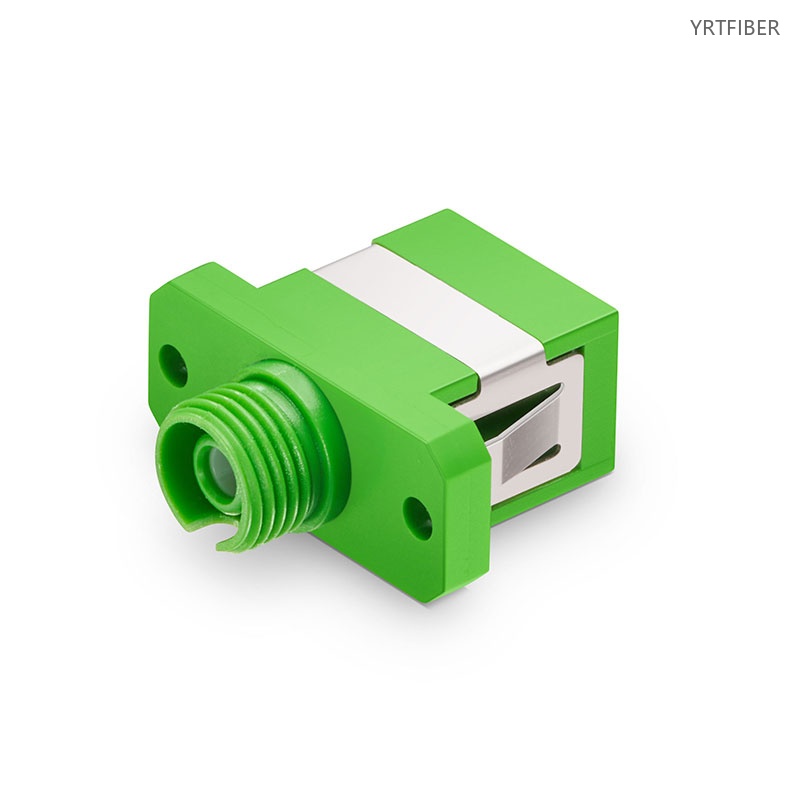

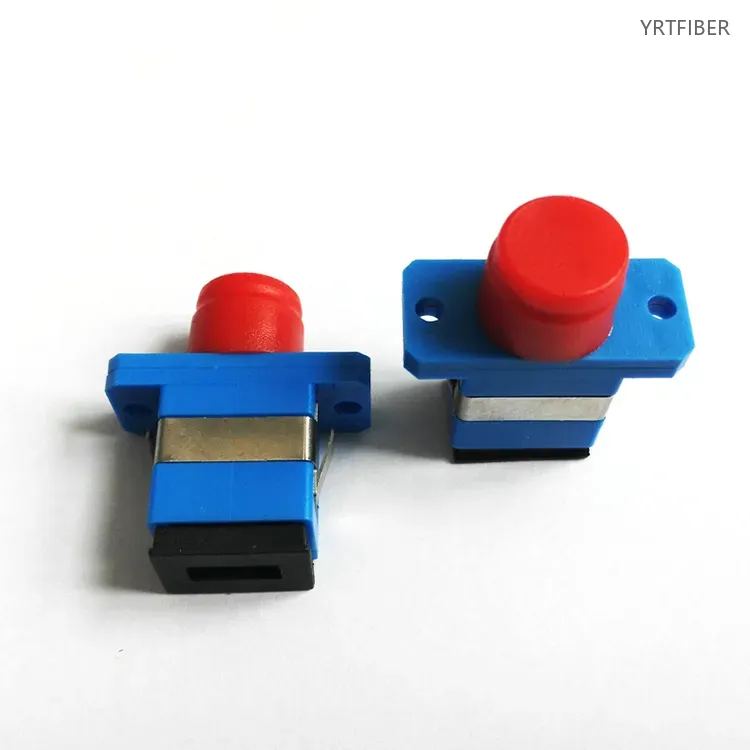
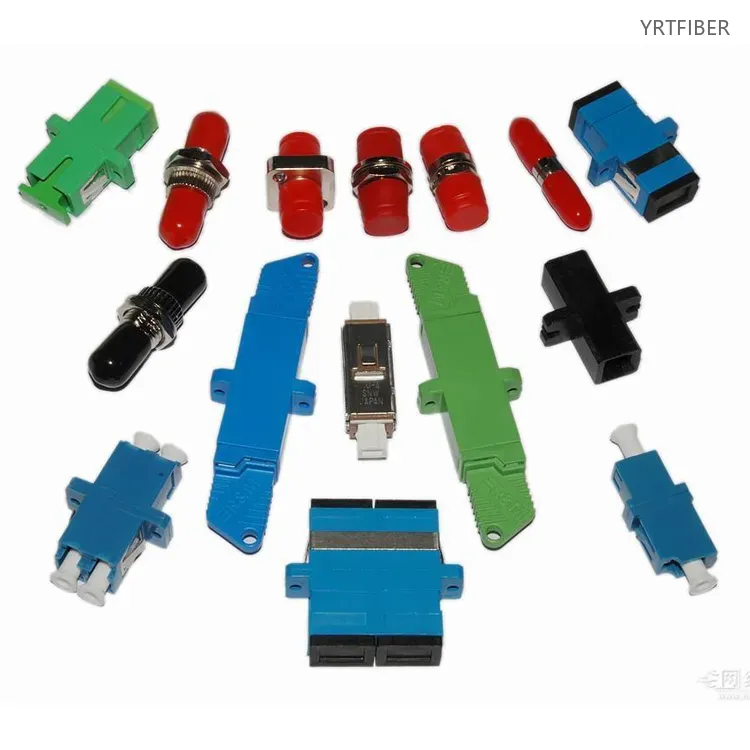
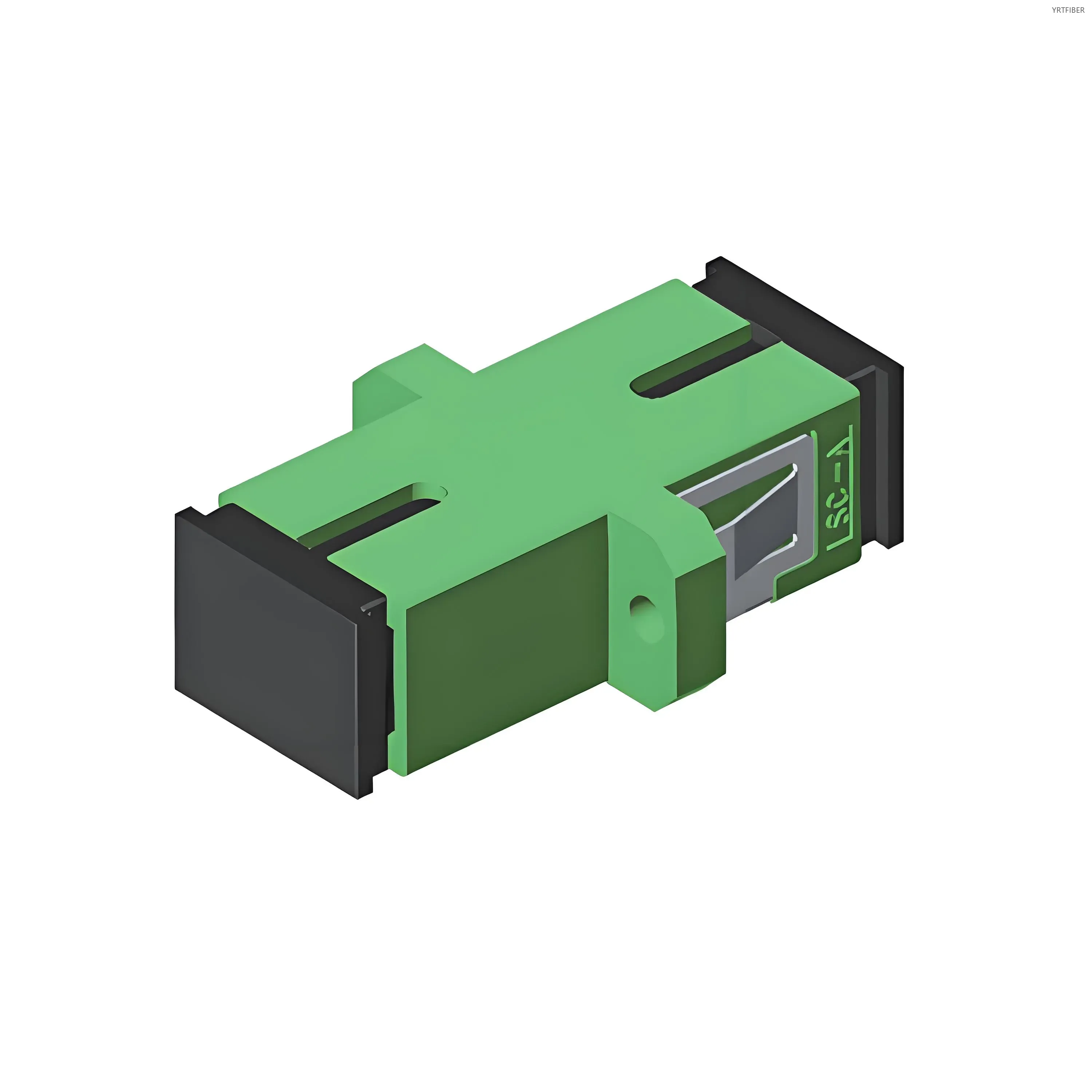
SC-FC Hybrid Fiber Optic Adapter – Duplex Flange Coupler for Singlemode Networks
Hybrid SC female to FC female flange configuration, supporting duplex and simplex types.
Zirconia ceramic sleeve for precise fiber alignment and low insertion loss (< 0.2-0.3 dB).
Simultaneously supports both single‑mode and multimode fiber.
Durable nickel‑plated metal or plastic housing compliant with IEC 61754‑4 and RoHS.
High durability—over 1.000 mating cycles with minimal variation.
What is an SC‑FC Fiber Optic Adapter?
The SC‑FC fiber optic adapter is a hybrid flange‑type coupler that provides a precise, low‑loss connection between SC and FC connectors. Combining a compact flange housing with a high‑precision zirconia ceramic alignment sleeve, it enables reliable optical coupling for single‑mode and multimode applications. Its robust design and standardized interface make it an essential component for telecom, CATV, LAN, and FTTH systems, especially where different connector types need to be interconnected.
SC‑FC Fiber Optic Adapter Specification parameters
- Specification parameters
- OPTICAL CHARACTERISTICS
| Name | Adapter / Coupler / Flange |
| Adapter Type | SC, LC, FC, ST, E2000 |
| Polishing Type | UPC, APC |
| Fiber Type | Single-mode, Multi-mode |
| Port Type | Single, Double |
| Sleeve Material | Ceramic / Bronze |
| Attenuation Value | 3 ~ 25 dB |
| Insertion Loss | ≦ 0.2 dB |
| Plug and Unplug Force | 200 - 600 g/f |
| Mating Durability | 1000 times, 0.2 dB |
| Repeatability | 0.1 dB |
| Interchangeability | 0.2 dB |
| Wavelength Range | 1260 ~ 1650 nm |
| Operating Temperature | -40℃ ~ +80℃ |
Product Structure & Composition
Hybrid interface: SC receptacle (push‑pull, 2.5 mm ferrule) on one side; FC receptacle (threaded coupling, vibration‑resistant) on the other. Enables seamless connection between different connector types.
Precision sleeve: Zirconia ceramic split sleeve aligns ferrules with micron accuracy, ensuring low insertion loss and back reflection; wear‑resistant and thermally stable for >1.000 mating cycles.
Mounting housing: Integrated flange for screw‑in or snap‑in mounting on patch panels, ODFs, and enclosures. Available in nickel‑plated metal or flame‑retardant plastic for durability and environmental protection.
Benefits of SC‑FC Fiber Optic Adapter
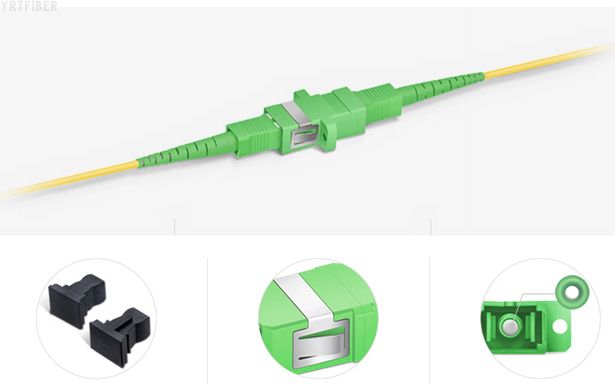
Ultra‑Low Loss Hybrid Connectivity
The zirconia ceramic alignment sleeve ensures precise ferrule mating between SC and FC connectors, delivering insertion loss as low as 0.2-0.3 dB. This exceptional optical performance minimizes signal attenuation and supports high‑speed data transmission over long distances, making it ideal for demanding telecom backbone and metro networks.
Secure and Vibration‑Resistant Connection
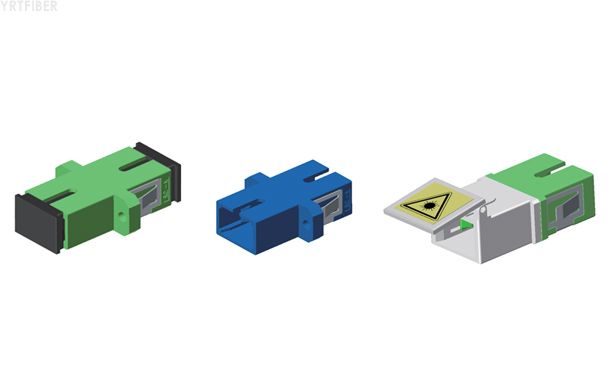
The FC side features a threaded coupling nut that locks the connector firmly in place, providing superior resistance to vibration and accidental disconnection compared to push‑pull mechanisms alone. Combined with the robust flange mounting, this adapter is perfectly suited for outdoor cabinets, industrial environments, and applications where mechanical stability is critical.
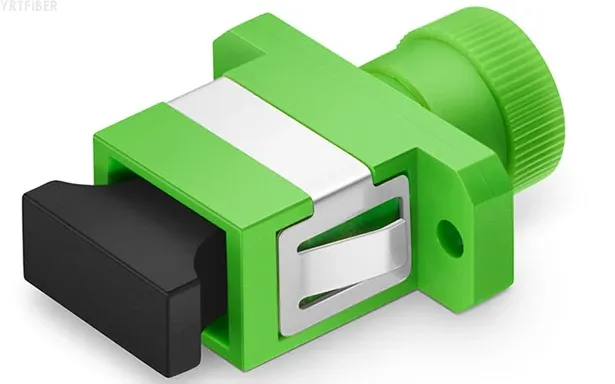
Durable Construction for Long‑Term Reliability
Engineered with high‑quality materials—zirconia ceramic sleeve, nickel‑plated metal or flame‑retardant plastic housing—the adapter withstands harsh environmental conditions and over 1.000 mating cycles without significant performance degradation. This durability reduces maintenance costs and ensures consistent network operation over its entire service life.
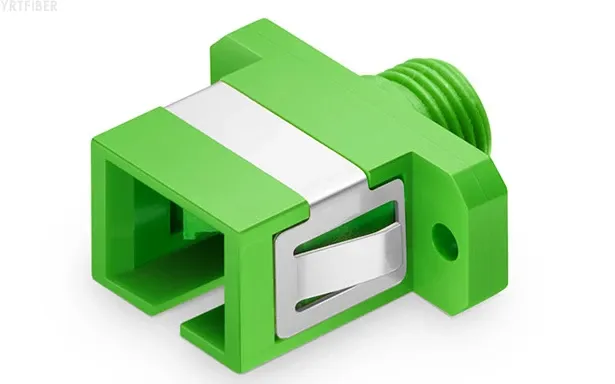
Versatile Compatibility and Easy Installation
The hybrid SC‑FC design allows interconnection between existing FC‑based infrastructure and newer SC‑equipped devices, providing a flexible migration path. The integrated flange simplifies panel mounting, while color coding and keying ensure error‑free installation. Available in simplex or duplex types to suit various port density requirements.
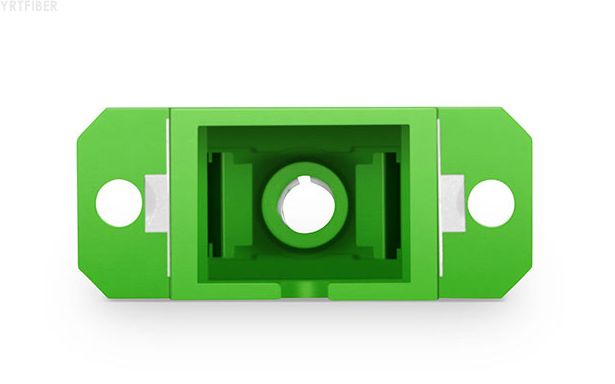
Engineering Applications SC‑FC Fiber Optic Adapter
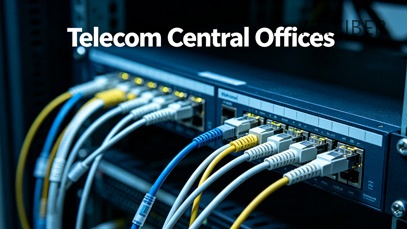
Telecom Core and Access Networks
In carrier‑grade central offices and access nodes, the SC‑FC adapter is often used in optical distribution frames (ODFs) to interconnect SC‑terminated equipment with legacy FC‑based distribution cables. Its low loss and high reliability support critical services such as PSTN, leased lines, and broadband access.
CATV and Video Transmission Systems
Cable television (CATV) networks frequently use FC connectors in headend equipment and fiber nodes. The SC‑FC adapter allows seamless connection to SC‑equipped optical receivers or transmitters, ensuring high‑quality video signal transmission with minimal attenuation and reflection.
Local Area Networks (LAN) and Enterprise Cabling
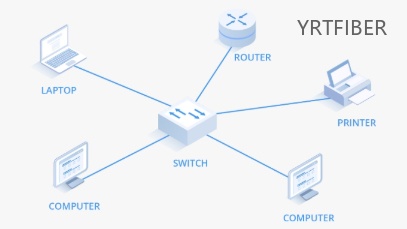
For enterprise LAN and campus networks, this hybrid adapter provides a convenient solution for patching between different connector types within wiring closets or equipment racks. Its flange mounting enables clean, organized patch panels, facilitating easy troubleshooting and reconfiguration.

FTTH / FTTx Distribution Points
In Fiber‑to‑the‑Home projects, the SC‑FC adapter is often installed in terminal boxes or distribution points to connect drop cables (often with SC connectors) to feeder or distribution cables (which may use FC connectors). Its robust design ensures reliable service delivery to residential and business subscribers.
Shipping & Packaging
Product Comparison:
| Feature / Dimension | SC-FC Hybrid Adapter | LC-LC Duplex Adapter | SC-SC Duplex Adapter |
|---|---|---|---|
| Connector Type (Port A / Port B) | SC (Standard Connector) on one end, FC (Ferrule Connector) on the other end | LC (Lucent Connector) on both ends - small form-factor, 1.25mm ferrule | SC (Standard Connector) on both ends - standard form-factor, 2.5mm ferrule |
| Port Configuration | Simplex or Duplex (hybrid cross-type) | Duplex - supports one transmit/receive pair | Duplex - supports one transmit/receive pair |
| Coupling Mechanism | SC: push-pull snap-in; FC: threaded screw-on | Push-pull latch (spring-loaded) | Push-pull snap-in with audible click |
| Ferrule Size | 2.5mm (both SC and FC use the same ferrule diameter) | 1.25mm (smaller, higher density) | 2.5mm (larger, lower density) |
| Typical Applications | Migrating from FC-based legacy networks to SC-based modern systems, test & measurement, hybrid network environments, ODF frames with mixed connector types | High-density data centers, enterprise LAN, SFP/SFP+ transceivers, 10G/25G/40G/100G links | Telecom central offices, legacy enterprise networks, FTTH ODF frames, test equipment, lower-speed (1G) links |
| Insertion Loss (Typical) | ≤0.15dB (typical), ≤0.20dB (max); SM ≤0.2dB, MM ≤0.3dB | ≤0.2dB (ceramic sleeve) | ≤0.2dB (ceramic sleeve) |
| Return Loss (Typical) | ≥45dB (single-mode UPC/APC versions available) | ≥50dB (UPC) / ≥60dB (APC) | ≥50dB (UPC) / ≥60dB (APC) |
| Fiber Mode Support | Single-mode (9/125μm) and multimode (50/125μm 62.5/125μm) | Single-mode and multimode | Single-mode and multimode |
| Polish Type Support | UPC and APC versions available | UPC and APC versions available | UPC and APC versions available |
| Color Coding | Blue (UPC) / Green (APC) / Metal (beige/metal housing) | Blue (UPC) / Green (APC) | Blue (UPC) / Green (APC) |
| Relative Cost | Medium - hybrid precision adds cost over same-type adapters | Medium - compact but precise manufacturing | Low - mature, widely manufactured |
| Engineering Pros | ① Enables seamless interconnection between FC and SC networks without replacing cables or connectors; ② Eliminates need for hybrid cable assemblies, reducing cost and complexity; ③ High-precision ceramic alignment sleeve ensures reliable optical performance; ④ FC's threaded coupling provides excellent vibration resistance for industrial/lab environments; ⑤ Available in simplex and duplex configurations for flexible deployment | ① Highest port density - doubles connections per rack unit vs. SC; ② Standard for modern transceivers (SFP, SFP+); ③ Push-pull latching for fast patching; ④ Available in ceramic or phosphor bronze sleeves. | ① Robust, durable construction - less prone to breakage; ② Widely available and familiar to technicians; ③ Lower cost than LC for large legacy installations; ④ Easy to clean and inspect; ⑤ Audible click locking ensures secure connection. |
| Engineering Cons | ① FC's threaded screw mechanism is slower to connect/disconnect than SC's push-pull, less suitable for frequent patching; ② Hybrid design cannot be used where same-type adapters are already installed; ③ Requires careful matching of polish type (UPC vs. APC) on both ends - mismatch can damage connectors; ④ Metal housing versions are heavier than plastic. | ① Smaller size makes cleaning slightly more delicate; ② More expensive than SC; ③ Plastic clip can break if mishandled. | ① Bulky for high-density environments; ② Lower port count per panel; ③ Not compatible with SFP transceivers (requires adapter cable). |
SC‑FC Fiber Optic Adapter Selection Guide
Choose the SC-FC Hybrid Adapter when:
Migrating from FC-based legacy networks to SC-based modern infrastructure - FC connectors were once standard in telecom central offices and test equipment; SC is now dominant in FTTH and enterprise networks. The hybrid adapter allows gradual migration without replacing existing patch cords.
Operating test and measurement environments where FC connectors are still common on instruments, but SC is used in the network under test.
Deploying in industrial or high-vibration environments - FC's threaded coupling provides superior mechanical stability compared to SC's push-pull mechanism. This makes SC-FC hybrids valuable in factory floors, mobile networks, or outdoor cabinets where vibration could otherwise cause intermittent connections.
Connecting different types of equipment in mixed-vendor or mixed-generation environments where one side uses FC and the other uses SC.
Choose the LC-LC Duplex Adapter when:
Deploying high-density data centers, enterprise LANs, or modern equipment rooms where space is at a premium. LC supports twice the port density of SC in the same panel area.
The environment involves frequent patching and reconfiguration - the push-pull latching mechanism allows fast, tool-less insertion and removal.
New greenfield installations are being built - LC is the industry-accepted default for high-speed networks and modern fiber management systems.
Choose the SC-SC Duplex Adapter when:
Upgrading or maintaining legacy telecom networks, central offices, or older FTTH ODF frames where SC connectors are already deployed.
A more robust, mechanically durable connection is needed - the larger SC housing is less prone to breakage in rough handling environments.
The network is lower-speed (1G) or budget-sensitive - SC adapters are more economical per port.
Critical Note on Polish Matching: SC-FC hybrid adapters are available in both UPC (Ultra Physical Contact, flat polish, blue housing) and APC (Angled Physical Contact, 8° angled polish, green housing) versions. Never mix UPC and APC connectors through the same hybrid adapter - the angled ferrule of APC will not align properly with the flat ferrule of UPC, causing high insertion loss and permanent damage to the ceramic ferrule end-faces. Always verify the polish type on both the SC and FC connectors before selecting the hybrid adapter.
Engineering Best Practices:
| Factor | SC-FC Hybrid | LC Duplex | SC Duplex |
|---|---|---|---|
| Best for | Legacy-to-modern migration, mixed environments | High-density modern networks | Legacy / telecom environments |
| Port Density | Moderate | Highest | Low |
| Vibration Resistance | Excellent (FC threaded) | Moderate (latch) | Good (snap-in) |
| Connection Speed | Slower (threaded) | Fastest (push-pull) | Fast (push-pull) |
| Cost per port | Medium | Medium-High | Low |
| Typical Use Case | FC test equipment to SC network | Data center patching | Central office ODF |
Mixed deployment strategy:
Use SC-FC hybrid adapters only where necessary as transitional components. For new installations, standardize on a single connector type (LC for data centers, SC for telecom) to avoid hybrid adapters entirely.
When SC-FC hybrids are required, use simplex versions for single-fiber applications and duplex versions for bidirectional links.
For high-vibration environments, prioritize metal-housed hybrid adapters with ceramic alignment sleeves for maximum durability.
Installation
Make sure the panel cutout matches the adapter flange (D-shaped or square hole). Insert it from the front until flush, and secure evenly with screws or clips.
Connection
Check the SC/FC end face under a microscope and clean it; push the SC in until it clicks, for FC screw in the nut by hand (don’t overtighten), making sure the key slot is aligned.
Management
Label to indicate the circuit and fiber pair, match colors (blue for single-mode/beige for multi-mode); cable bend radius >30mm, organize with zip ties.
Maintenance
Check for dust or damage regularly, verify with a VFL or power meter; if performance drops, clean the sleeve and reconnect, replace the FC nut if it’s worn and hard to screw.
Download YRTFIBER Product Catalog
Factory Real Shot
Frequently Asked Questions & Quick Inquiry
SC‑FC Fiber Optic Adapter FAQ
Q1: What connector types does this adapter support?
A1: It connects SC-female to FC-female, suitable for hybrid SC-FC coupling in fiber systems.
Q2: Is this adapter for single-mode or multimode fiber?
A2: It’s designed primarily for single-mode (G652D / G657A) networks, but multimode adapters are also available.
Q3: What optical performance does it offer?
A3: Typically ≤0.2 dB insertion loss and ≥45-50 dB return loss, depending on polish type APC or UPC.
Q4: Can it be mounted in fiber panels or ODF?
A4: Yes, it uses a flange‑type housing that fits standard patch panels and optical distribution frames.
Q5: Is OEM customization supported?
A5: Yes. We can customize fiber mode, polish type (UPC/APC), housing material, and duplex or simplex design upon request.
Send Your Inquiry
Fill out the form below and we'll get back to you within 24 hours.


