

 Español
 Português
 لالعربية
 Русский
 Bahasa Indonesia
 Français
 Türkçe
 Bahasa Melayu

GYXTY Unarmored Center Loose Tube Fiber Optic Cable – Lightweight Outdoor
Good mechanical properties, good high temperature resistance
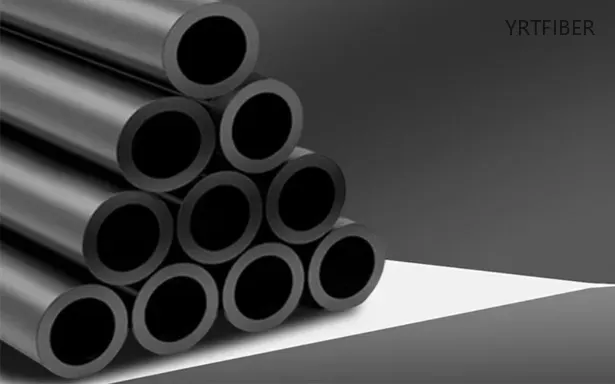
High-strength loose casing, resistant to hydrolysis
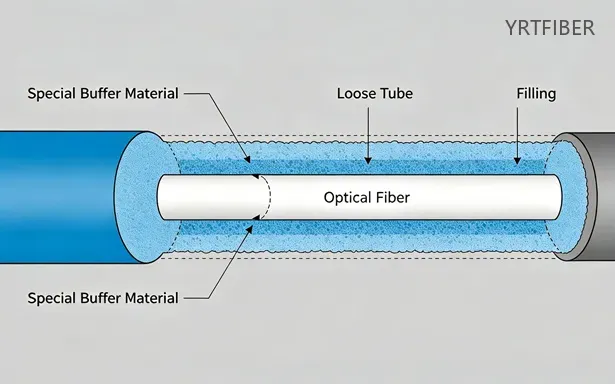
Special casing filler, which plays a key role in protecting optical fibers
Anti-extrusion, good flexibility
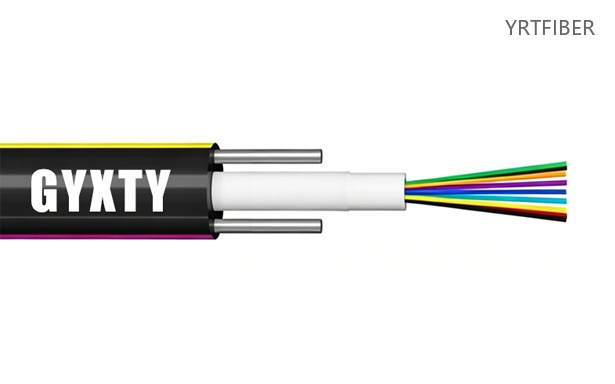
Two parallel wires ensure the tensile strength of the cable
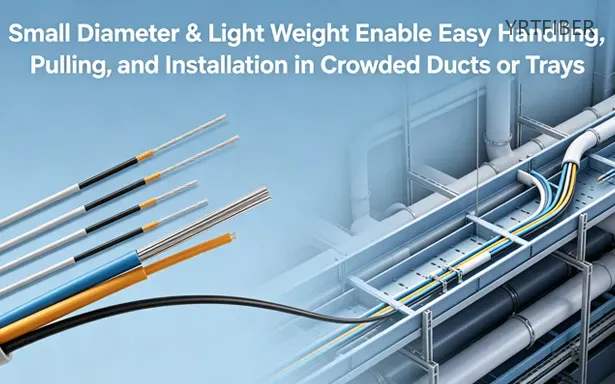
Light weight, small diameter, easy installation
what is GYXTY unarmored center loose tube optical cable
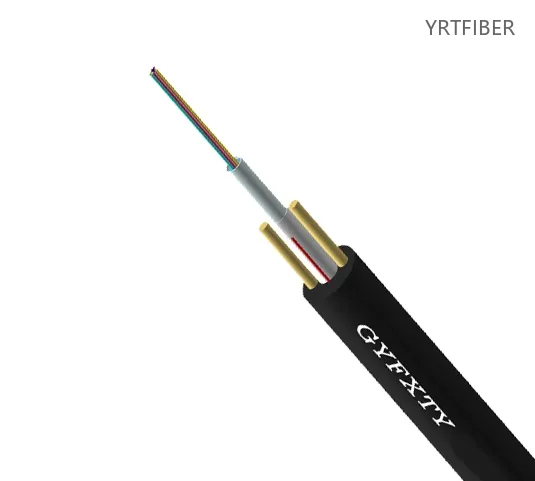
The GYXTY is an unarmored center loose tube optical cable incorporating a G.652D single-mode fiber housed in a high-modulus, hydrolysis-resistant loose tube filled with a special water-blocking compound to provide critical fiber protection. Two parallel steel wires embedded alongside the tube ensure excellent tensile strength, while the overall lightweight, small-diameter design and PE sheath deliver outstanding flexibility, crush resistance, and ease of installation. The cable also offers good high-temperature resistance and reliable mechanical performance for both outdoor and indoor applications.
GYXTY Unarmored Fiber Optic Cable Specification parameters
- Specification parameters
- OPTICAL CHARACTERISTICS
ptical properties
| G.652 | G.655 | 50 / 125μm | 62.5/125 μm | ||
| Attenuation (+20℃) | @850nm | ≤3.0 dB/km | ≤3.0 dB/km | ||
| @1300nm | ≤1.0 dB/km | ≤1.0 dB/km | |||
| @1310nm | ≤0.36 dB/km | ≤0.40 dB/km | |||
| @1550nm | ≤0.22 dB/km | ≤0.23dB/km | |||
| Bandwidth (Class A) | @850nm | ≥500 MHz·km | ≥200 MHz·km | ||
| @1300nm | ≥1000 MHz·km | ≥600 MHz·km | |||
| Numerical Aperture | 0.200±0.015NA | 0.275±0.015NA | |||
| Cable Cut-off Wavelength | ≤1260nm | ≤1480nm | |||
| Storage/Operating temperature | -40℃ ~+70℃ | ||||
Technical parameters
| Model | Fiber Count | Outer Diameter(mm) | Weight(kg/km) | Tensile Strength N | Crush N/100mm | Bending Radius mm |
| GYXTY-4 | 4 | 8.0 | 75 | 600/1500 | 1000/3000 | 10D/20D |
| GYXTY-6 | 6 | 8.0 | 85 | 600/1500 | 1000/3000 | 10D/20D |
| GYXTY-8 | 8 | 8.0 | 95 | 600/1500 | 1000/3000 | 10D/20D |
| GYXTY-12 | 12 | 8.0 | 105 | 600/1500 | 1000/3000 | 10D/20D |
Product Structure & Composition
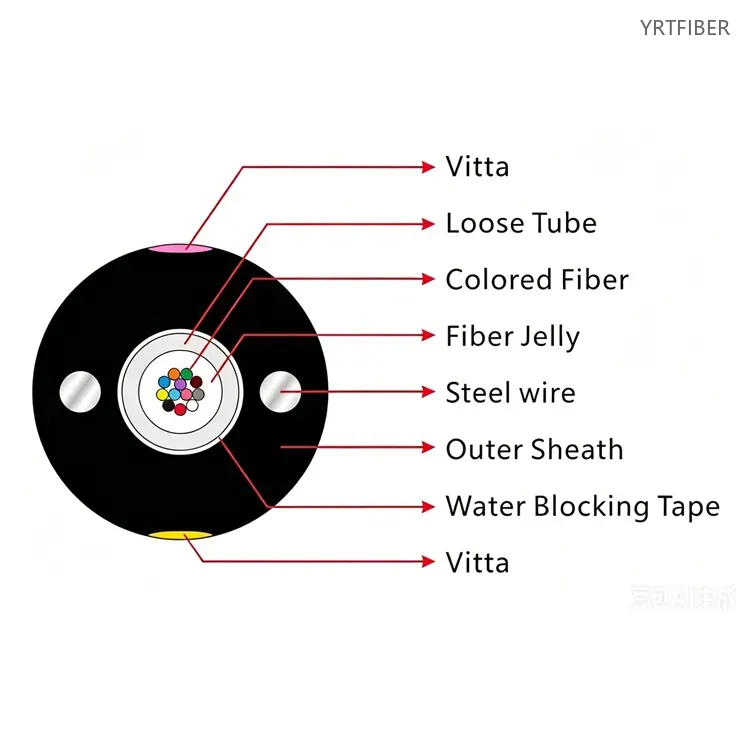
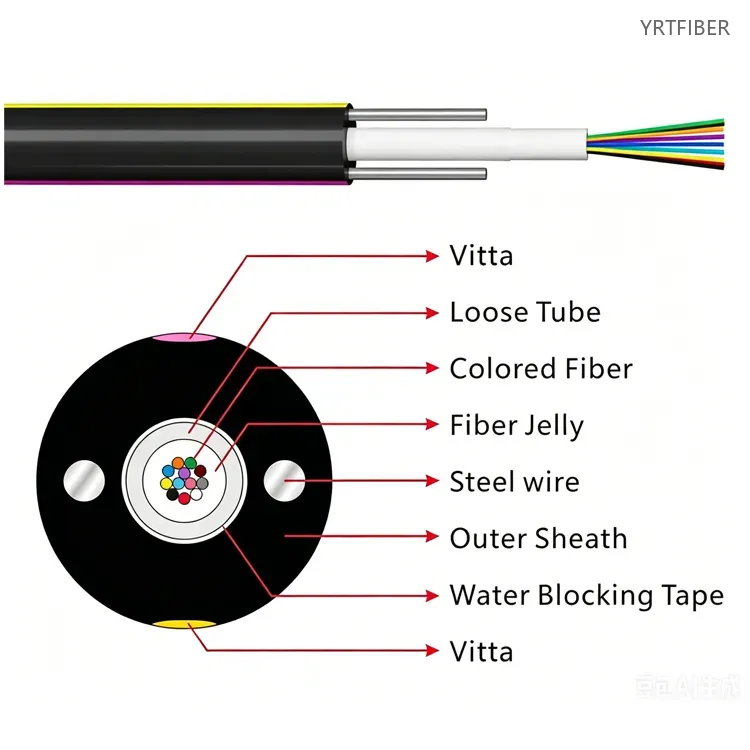
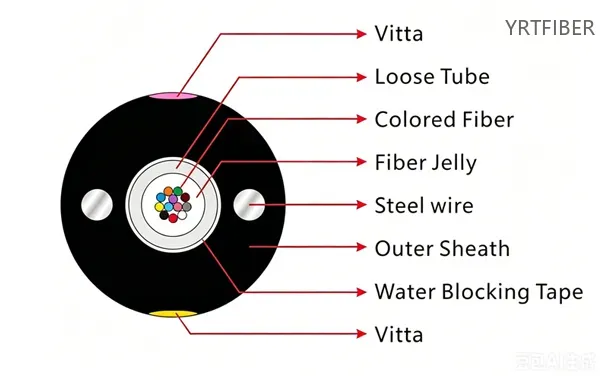
Loose Tube:A PBT plastic tube that houses the optical fiber, protecting it from external stress while allowing free movement.
Colored Fiber:A G.652D optical fiber with a color-coded coating for easy identification during splicing and patching.
Fiber Jelly:A thixotropic gel filling the loose tube, which cushions the fiber and prevents water ingress.
Steel Wire:Two parallel steel wires acting as the main strength members to provide tensile strength and crush resistance.
Outer Sheath:A polyethylene (PE) jacket that shields the entire cable from environmental damage and mechanical abrasion.
Water Blocking Tape:A tape wrapped around the cable core that swells upon contact with water, sealing the cable radially against moisture.
Vitta (Peripheral):Water-swellable yarns laid under the sheath or in interstices to block any water that might penetrate the jacket.
Benefits of GYXTY Unarmored Fiber Optic Cable
1. Excellent Mechanical Strength and Flexibility
The cable provides robust mechanical performance with high tensile strength delivered by two parallel steel (or FRP) wires. Its design resists crushing while maintaining good flexibility, allowing it to handle tight bends and physical stress during and after installation.
2. High-Temperature Resistance and Hydrolysis-Proof Loose Tube
It withstands elevated temperatures without performance degradation, and the high-strength PBT loose tube is specifically resistant to hydrolysis. This ensures the cable remains reliable in humid or outdoor environments over a long service life.
3. Critical Fiber Protection with Special Filling Compound
The loose tube is filled with a special compound that securely cushions and isolates the fiber from moisture, vibration, and mechanical shock. This filling plays a key role in preserving the optical fiber's integrity and long-term signal stability.
4. Lightweight, Compact, and Easy to Install
Its small diameter and light weight make the cable exceptionally easy to handle, pull, and fit into congested ductwork or trays. These attributes reduce installation time, labor, and space requirements.
Engineering Applications GYXTY Unarmored Fiber Optic Cable
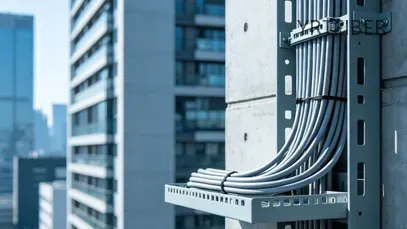
Vertical Backbone Cabling in Buildings
GYXTY cable features a small diameter and all-dielectric construction, allowing it to be easily lashed onto cable trays in weak-current risers of high-rise buildings, significantly saving tray space.
The central loose tube structure provides reliable crush resistance, delivering stable backbone connections between floor distribution frames when paired with a flame-retardant jacket.
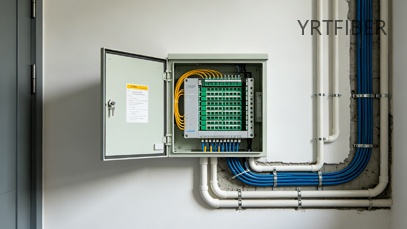
FTTH Secondary Drop Installation
In the concealed segment from the hallway fiber distribution box to the home network panel, GYXTY's excellent bend performance enables flexible routing along skirting boards and door frames without compromising interior aesthetics.
The lightweight, non-armored design allows a single technician to complete conduit pulling, while the all-dielectric structure inherently eliminates lightning risks and grounding requirements, simplifying the drop construction.
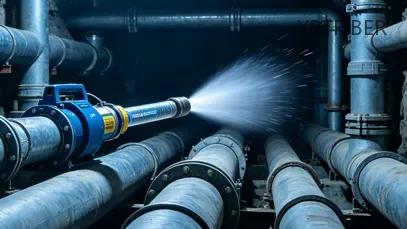
Microduct Cable Blowing in Urban Communication Ducts
In municipal pipe networks with congested duct resources, the small-dimension GYXTY cable fits microduct bundles perfectly, allowing single-shot blowing installations exceeding 1,000 meters using a cable jetting machine.
The central loose tube uniformly releases excess fiber length, effectively compensating for pipe thermal deformation and ensuring low-attenuation transmission over the fiber's lifespan.
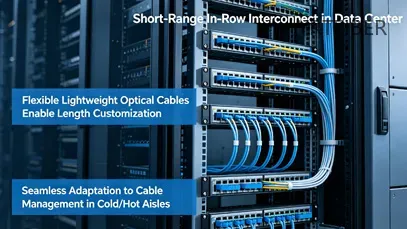
Short-Reach Intra-Row Interconnect in Data Centers
Inside high-density cabinet patching zones, GYXTY's light and flexible nature allows cut-to-length deployment, adapting seamlessly to cable management within contained cold/hot aisles.
When specified with an LSZH jacket, it meets indoor flame-retardant and low-smoke zero-halogen requirements; the non-armored design eases termination, directly supporting rapid connector assembly for LC/SC interfaces.
Shipping & Packaging
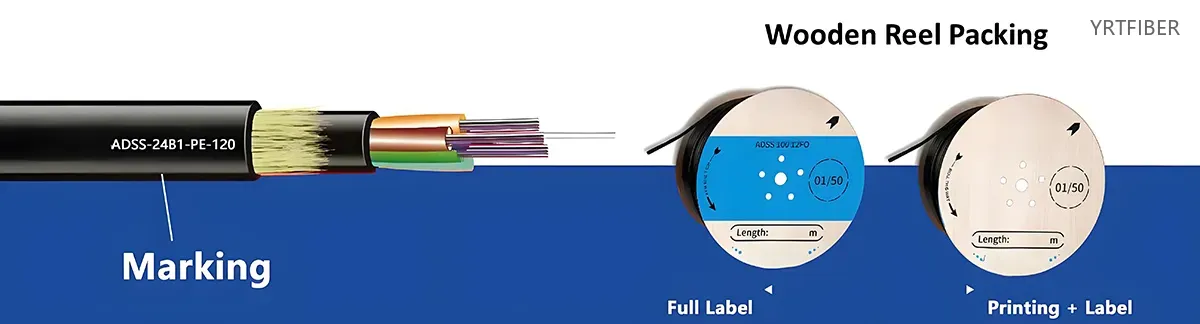
Packaging Requirements:
1:All cables shall be wound on treated wooden spools that are not returnable
2:Cable ends must be firmly secured to the spool and protected with waterproof shrink caps
3:Each spool must include:
A protective outer layer of plastic wrapping
Reinforcing wooden slats to ensure stability
At least 1 meter of free cable end reserved for testing
A standard spool length of 3000mm (with a permissible tolerance of ±2%)
Cable Identification:
The outer jacket must display:
1、Unique sequential numbering every 1m (±1% variance permitted)
2、 Additional repeating markings at 1m intervals showing:
Product code and fiber count
Manufacturer identification
Production date (month/year)
Total cable length
Standard Packaging Dimensions:
Length Container Size (L×W×H) Net Mass Total Mass 2 km Wood spool 90×75×90 cm 156 kg 220 kg 3 km Wood spool 100×68×100 cm 240 kg 280 kg 4 km Wood spool 109×75×109 cm 300 kg 368 kg 5 km Wood spool 129×72×129 cm 400 kg 480 kg Technical Reference:
1、 Standard cable diameter: 10.0mm
2、Maximum span distance: 100m
3、Contact sales team for complete technical specifications
Spool Marking Standards:
Permanent markings (minimum 25-30mm height) must appear on both sides of each spool:
1、 Company name and trademark
2、Contained cable length
3、Cable specifications (type/fiber count)
4、Winding orientation
5、Weight measurements (gross/net)
Note: All wooden packaging materials must undergo proper fumigation treatment prior to use.
Product Comparison:
GYXTY VS GYXTW VS GYTS
| Feature / Dimension | GYXTY (Central Tube, No Armor) | GYXTW (Central Tube, Steel Tape Armor) | GYTS (Stranded, Steel Tape Armor) |
|---|---|---|---|
| Structural Features | Central loose tube with water‑blocking gel; two parallel steel wires as strength members; PE outer sheath (no metallic tape armor). | Central loose tube with water‑blocking gel; two parallel steel wires; one layer of PSP steel tape longitudinally wrapped; PE outer sheath. | Stranded loose tubes around a central metal strength member; water‑blocking filler; corrugated steel tape armor (PSP); PE outer sheath. |
| Typical Applications | Aerial (with separate messenger wire), duct (light protection). Suitable for access networks, short‑distance links, indoor‑outdoor transition (non‑direct burial). | Aerial (with messenger), duct, light direct burial (with care). Access networks, FTTH, low‑core‑count outdoor links. | Aerial (with messenger), duct, direct burial. Core/metropolitan networks, trunk lines, harsh environments needing high crush resistance. |
| Fiber Core Capacity | 2 – 12 cores (up to 24 cores in some designs) | 2 – 12 cores (up to 24 cores) | 2 – 288 cores (or higher) |
| Pros in Engineering | Lightweight, small diameter, low cost, easy to handle in ducts. Simple stripping and termination. | Compact, good crush resistance from steel tape, better moisture barrier than GYXTY, still relatively easy to install. | High tensile and crush strength, excellent mechanical and environmental protection, suitable for direct burial and rocky terrain, large fiber count capability. |
| Cons in Engineering | No armor – weak against rodent attack and side pressure. Not suitable for direct burial or harsh outdoor mechanical stress. Requires conduit or messenger. | Heavier and stiffer than GYXTY; steel tape can corrode if coating is damaged; limited core count. | Heavier, larger diameter, stiffer, higher material cost, more complex mid‑span maintenance. |
| Cost (Relative) | Lowest – no armor makes it very economical for protected duct or aerial applications with low core counts. | Low to medium – steel tape adds modest cost; still economical for access layer. | Medium – steel armor and stranded design increase cost, but good value for high‑performance trunk lines. |
| Maintenance Difficulty | Low – easy to access and splice, but vulnerable to external damage (needs regular inspection for rodent/impact damage). | Low – moderate protection reduces fault rate; simple structure for repairs. | Moderate – heavier armor makes access harder; requires careful corrosion check at cut points. |
| Temperature Range | -40°C to +70°C | -40°C to +70°C | -40°C to +70°C |
GYXTY Unarmored Fiber Optic Cable Selection Guide
GYXTY Cable Installation Guide
Pre-Installation Inspection:Check the outer PE sheath for damage, verify fiber continuity with an OTDR or light source, and ensure all cable markings match the specification.
Minimum Bending Radius:Maintain a dynamic bending radius of at least 20 times the cable outer diameter during pulling, and a static radius of at least 10 times the diameter after fixing.
Maximum Pulling Tension:Do not exceed the manufacturer's specified tension limit (typically 600–800 N short-term). Always use a swivel pulling eye or pulling grip attached to the strength members to avoid twisting the cable core.
Handling and Unreeling:Unreel the cable from a cable drum using a proper payoff stand. Keep the cable straight and free from kinks, knots, or crushing forces; never pull directly through sharp edges without protective rollers or guides.
Duct and Conduit Installation:Lubricate the duct with a cable pulling lubricant compatible with PE. For microduct blowing, use a cable jetting machine with regulated compressed air, ensuring the duct is clear and unobstructed beforehand.
Vertical Installation:Secure the cable at intervals of 1–1.5 meters on vertical trays or risers. The two parallel steel wires provide adequate support, but avoid hanging lengths that exceed the specified long-term tension.
Temperature Conditions:Install only when ambient temperature is above –5 °C (cable operation range –40 °C to +70 °C). Allow the cable to acclimate to the environment if it has been stored in extreme cold.
Water Blocking Integrity:The water-blocking tape and yarns are activated by moisture; once unsealed, never expose cable ends to rain or standing water. Always cap un-terminated cable ends with heat-shrink end caps.
Stripping and Termination:Use a proper mid-span or end stripping tool. Remove the PE sheath and water-blocking tape carefully, then clean away the filling jelly from the loose tube and fibers with approved solvent wipes before splicing.
Storage:Store cable drums in a dry, covered location, upright on their flanges, with the cable ends sealed. Protect from prolonged direct sunlight and mechanical impact.
Download YRTFIBER Product Catalog
Factory Real Shot
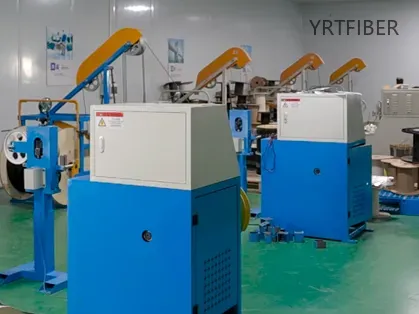
Advanced Manufacturing Lines
Cutting-edge, fully automated production systems define our facility, seamlessly integrating optical fiber coloring, high-speed loose tube extrusion, precision stranding, and advanced double-sheathing lines. Every process is digitally controlled to ensure consistent micron-level accuracy, exceptional throughput, and repeatable quality for high-performance fiber optic cables.
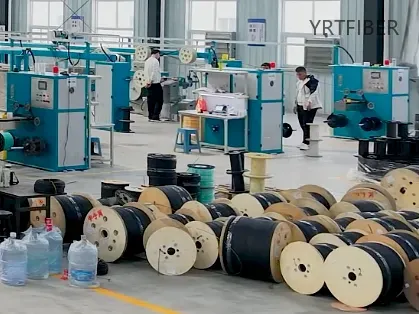
Manufacturing Plant Overview
Our production floor is a model of operational excellence — a meticulously clean, temperature-controlled, and well-organized environment. Lean layout principles and stringent housekeeping protocols minimize contamination risks, reflecting our zero-defect manufacturing philosophy and deep commitment to producing cables that meet the most demanding international standards.
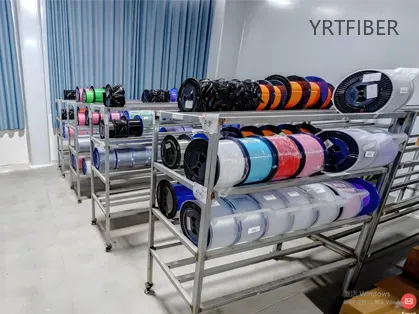
Raw Material Storage
We maintain a strategic, climate-controlled inventory of premium-grade raw materials: high-strength FRP rods, PBT loose tubes, tin-free steel tape, and top-quality PE compounds. Every shipment is subject to rigorous incoming inspection, guaranteeing full traceability and securing an uninterrupted supply chain that supports high-volume manufacturing without compromise.
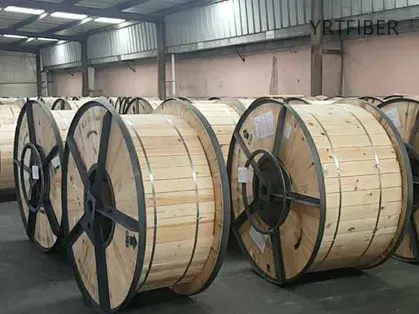
Factory Warehouse & Dispatch
Our expansive, systematically managed dispatch center holds a substantial buffer stock of factory-fresh cable coils, all fully tested, labeled, and ready for immediate shipment. Integrated logistics capabilities and intelligent inventory management enable us to respond rapidly to global demand, ensuring on-time delivery and fast turnaround for projects of any scale.
Frequently Asked Questions & Quick Inquiry
GYXTY Unarmored Fiber Optic Cable FAQ
1. What is the GYXTY fiber optic cable used for?
GYXTY is a lightweight unarmored fiber optic cable with a central loose tube. It's ideal for overhead or duct installations where high mechanical protection is not required.
2. What is the cable structure?
This cable consists of a single central loose tube filled with water-blocking gel and reinforced with two parallel steel wires on both sides for basic tensile strength. It has a polyethylene outer sheath for environmental protection.
3. What fiber types are supported?
The cable supports G.652D and G.655 single-mode fibers, which are widely used in access networks, telecom lines, and FTTx deployments due to their low attenuation and high transmission performance.
4. Is GYXTY suitable for aerial installation?
Yes. Thanks to its light weight and simple structure, GYXTY is suitable for short-span overhead installations, such as pole-to-pole communication in urban or rural networks.
5. What are typical applications of the GYXTY cable?
GYXTY is commonly used in:
Aerial fiber deployments
Conduit or duct installations
FTTH/FTTx access networks
Environments with minimal mechanical stress
Send Your Inquiry
Fill out the form below and we'll get back to you within 24 hours.


