

 Español
 Português
 لالعربية
 Русский
 Bahasa Indonesia
 Français
 Türkçe
 Bahasa Melayu


40GBASE QSFP+ Optical Transceiver Modules
What Makes YRTFIBER 40GBASE QSFP+ the Right Choice?
YRTFIBER 40GBASE QSFP+ optical transceivers provide reliable 40Gbps connectivity for 40 Gigabit Ethernet, OTU3 and SDH networks. The product range supports multimode and single-mode fiber, with transmission distances from 100m to 80km and MTP/MPO or duplex LC interfaces for different cabling architectures.
Choose from SR4, SWDM4, IR4, LR4, LH4, PSM4, ER4, ZR4 and LX4 solutions for data centers, telecom networks, enterprise backbones and metropolitan links. Custom firmware coding is available for specified switches and routers, helping simplify deployment in multi-vendor networks.
40G BASE QSFP Specification parameters
- Specification parameters
- OPTICAL CHARACTERISTICS
Product parameters
| Part Number | Data Rate | Wavelength | TX | Sensitivity | Distance | Connector | Temperature | Datasheet |
|---|---|---|---|---|---|---|---|---|
| AE-QSFP-SFP10G | 40G | QSFP+ to SFP+ Convertor | N/A | N/A | N/A | N/A | 0~70°C |  |
| AE-QSFP-SR4 | 40G | 850nm | -7.6~1dBm | -11.1dBm | 100M | MTP/MPO | 0~70°C | |
| AE-QSFP-SWDM4 | 40G | 850nm | -7.5~3dBm | -9.1dBm | 100M | Duplex LC | 0~70°C | |
| AE-QSFP-IR4 | 40G | 1271, 1291, 1311, 1331nm | -7~2.3dBm | -11.5dBm | 2KM | Duplex LC | 0~70°C | |
| AE-QSFP-LR4 | 40G | 1271, 1291, 1311, 1331nm | -7~2.3dBm | -11.5dBm | 10KM | Duplex LC | 0~70°C | |
| AE-QSFP-LH4 | 40G | 1271, 1291, 1311, 1331nm | -3.5~2.3dBm | -12.5dBm | 20KM | Duplex LC | 0~70°C | |
| AE-QSFP-PSM4 | 40G | 850nm | -7~2.3dBm | -11.5dBm | 10KM | MTP/MPO | 0~70°C | |
| AE-QSFP-ER4 | 40G | 1271, 1291, 1311, 1331nm | -2.7~4.5dBm | -19dBm | 40KM | Duplex LC | 0~70°C | |
| AE-QSFP-ZR4 | 40G | 1295, 1300, 1304, 1309nm | 0~4.5dBm | -25dBm | 80KM | Duplex LC | 0~70°C | |
| AE-QSFP-LX4 | 40G | 1270-1330nm | -10.3~2.3dBm | -11.5dBm | 150M/2KM | Duplex LC | 0~70°C | |
Product Structure & Composition
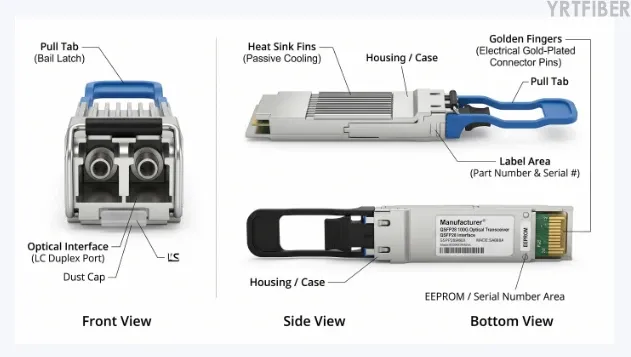
The compact QSFP+ housing integrates four transmit and four receive electrical channels, optical components, control circuitry, heat-dissipation surfaces and a high-speed host connector. Depending on the optical design, the module uses an MTP/MPO interface for parallel-fiber transmission or a duplex LC interface with wavelength multiplexing.
Benefits of 40G BASE QSFP
Increase Bandwidth in a Compact Port
A single QSFP+ port delivers 40Gbps transmission through a compact, hot-pluggable module.
This allows compatible switches and routers to provide high port density without requiring a larger equipment footprint.
Choose the Right Fiber Architecture
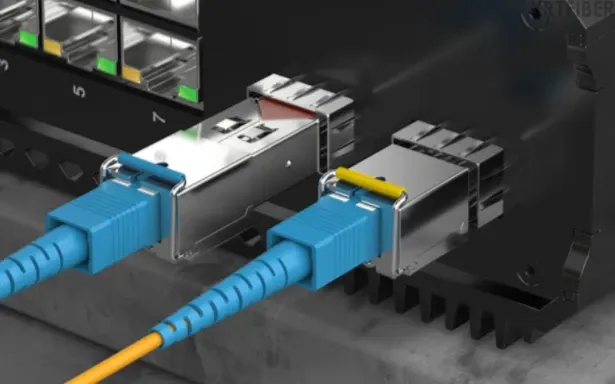
SR4 and PSM4 options support parallel-fiber transmission through MTP/MPO connectivity, while SWDM4, LX4, IR4, LR4, LH4, ER4 and ZR4 options use duplex LC connections.
Network designers can select a module that fits the installed multimode or single-mode cabling system.
Cover Links from 100m to 80km
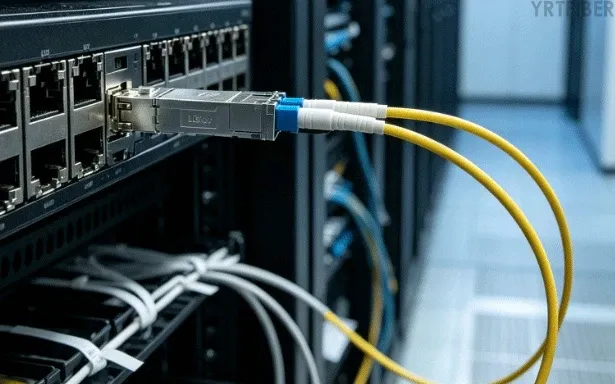
The product family supports short data-center connections as well as campus, metro and long-distance network links.
Multiple reach options reduce the need to use an oversized module where a shorter and more economical solution is sufficient.
Simplify Multi-Vendor Deployment
Custom firmware coding can be prepared for the specified switch or router platform.
Correct coding helps the host equipment recognize the transceiver and reduces compatibility problems during installation or replacement.
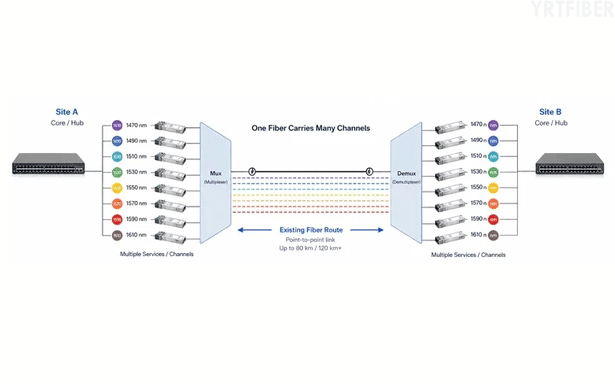
Engineering Applications 40G BASE QSFP
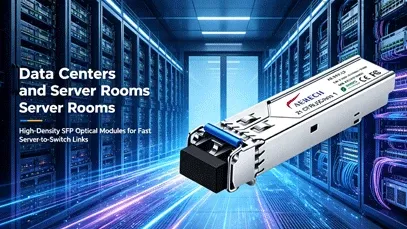
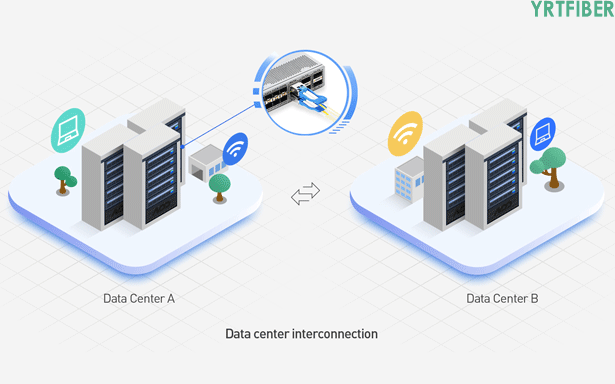
Data Center Interconnects
Connect core, aggregation and top-of-rack switches with high-density 40Gbps optical links.
Use SR4 for short parallel multimode cabling or SWDM4 and LX4 where duplex LC infrastructure needs to be retained.
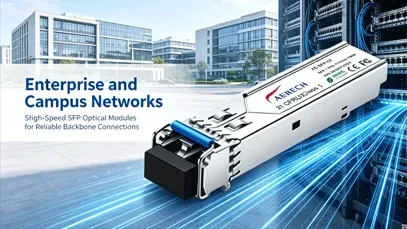
Enterprise and Campus Backbones
Upgrade bandwidth between server rooms, core switches and remote buildings through multimode or single-mode fiber.
IR4, LR4 and LH4 options provide flexible reach for building-to-building and campus connections.
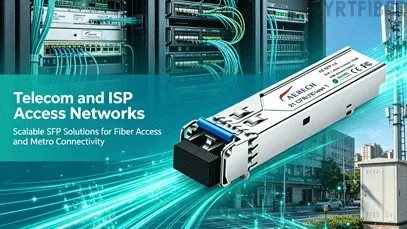
Telecom and Metro Networks
Deploy 40G links between aggregation sites, transport equipment and metropolitan network nodes.
ER4 and ZR4 modules extend transmission to 40km and 80km where the completed optical budget supports the route.

OTU3 and SDH Transport
Use the appropriate 40G QSFP+ variant in compatible optical transport platforms supporting OTU3 or SDH transmission.
Confirm the host interface, protocol and firmware requirements before selecting the module.
Shipping & Packaging
Packaging and Shipping
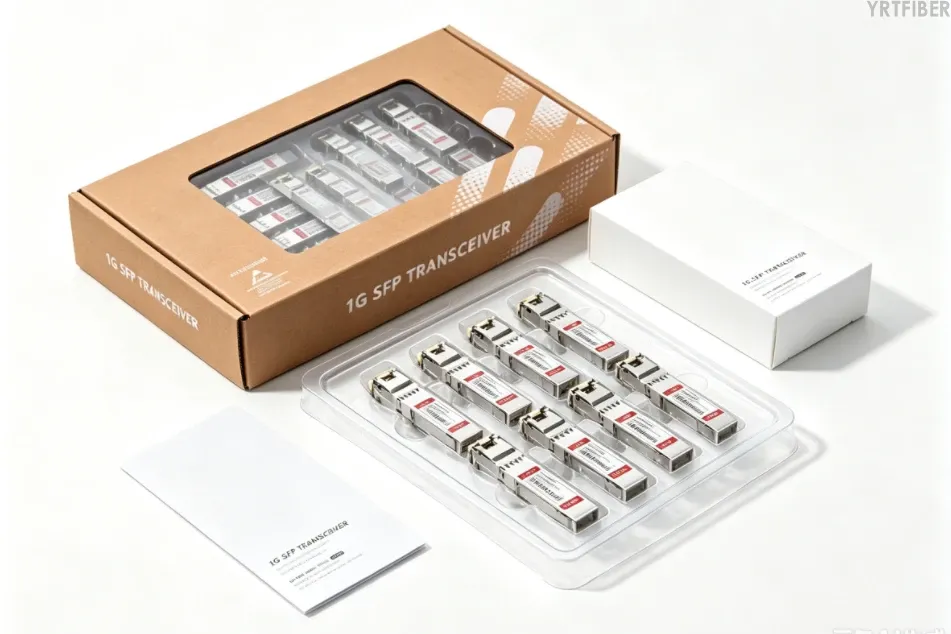
Each 40G QSFP+ transceiver is packed in an anti-static protective package with clear product identification. Protective inner packaging and export cartons help prevent electrostatic, impact and moisture damage during storage and international transportation.
Individual anti-static packaging
Model, wavelength, connector, distance and compatibility labels
Protective inner tray or box and reinforced export carton
OEM label, barcode and packaging customization
Express, air-freight and sea-freight shipping support
Product Comparison:
How 40GBASE QSFP+ Module Types Compare
| Module Type | Typical Reach | Fiber Type | Connector | Optical Method | Recommended Application |
|---|---|---|---|---|---|
| SR4 | 100m | Multimode | MTP/MPO | Parallel optics | Short data-center links and 4 x 10G breakout |
| SWDM4 | 100m | Multimode | Duplex LC | Four-wavelength multiplexing | Reuse of duplex multimode cabling |
| LX4 | 150m / 2km | Multimode / Single-mode | Duplex LC | Four-wavelength multiplexing | Flexible MMF or SMF migration links |
| IR4 | 2km | Single-mode | Duplex LC | Four-wavelength multiplexing | Campus and intermediate-reach links |
| LR4 | 10km | Single-mode | Duplex LC | Four-wavelength multiplexing | Campus, enterprise and metro access |
| LH4 | 20km | Single-mode | Duplex LC | Four-wavelength multiplexing | Extended campus and metro links |
| PSM4 | 10km | Single-mode | MTP/MPO | Parallel optics | Parallel single-mode infrastructure |
| ER4 | 40km | Single-mode | Duplex LC | Four-wavelength multiplexing | Long metro and carrier links |
| ZR4 | 80km | Single-mode | Duplex LC | Four-wavelength multiplexing | Extended long-distance 40G links |
40G BASE QSFP Selection Guide
How to Select a 40GBASE QSFP+ Transceiver
Confirm the host port and protocol: Verify that the equipment has a 40G QSFP+ port and supports 40 Gigabit Ethernet, OTU3 or the required SDH application.
Identify the installed fiber: Select a multimode solution for short data-center links or a single-mode solution for longer campus, metro and carrier routes.
Choose the connector architecture: Use SR4 or PSM4 for MTP/MPO parallel cabling. Choose SWDM4, LX4, IR4, LR4, LH4, ER4 or ZR4 when a duplex LC link is required.
Match the transmission distance: Select the module according to the actual route length, from 100m short-reach links to 80km extended-reach connections.
Calculate the optical budget: Include fiber attenuation, connector loss, splice loss and an operating margin. Long-distance models may require attenuation on short links.
Confirm breakout requirements: Choose an SR4 parallel-optics solution when a 40G QSFP+ port must connect to four compatible 10G SFP+ ports.
Verify equipment compatibility: Provide the switch or router manufacturer, exact model and software version for the correct firmware coding.
Check the operating environment: The referenced commercial-temperature models are specified for operation from 0 to 70°C.
How to Install a 40GBASE QSFP+ Transceiver
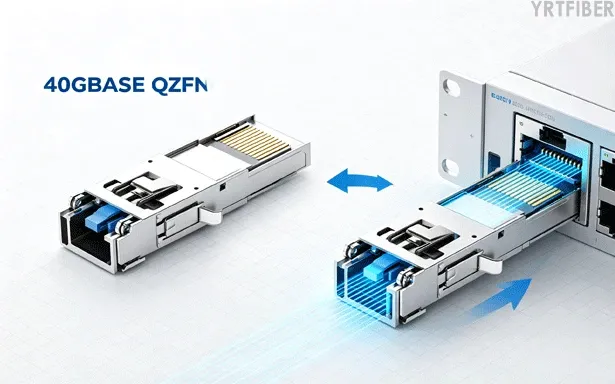
Wear an anti-static wrist strap and confirm that the QSFP+ module matches the host equipment, network protocol, fiber type, connector and required transmission distance. Remove the module's protective packaging, keep the pull tab or bail latch in the closed position, align the module with the 40G QSFP+ port and gently push it into the port until it is fully seated. Do not touch the optical interface or force the module if resistance is encountered.
Clean and inspect the MTP/MPO or duplex LC connectors before attaching the fiber cable. For SR4 or PSM4 links, verify the required MTP/MPO polarity and fiber mapping; for duplex LC modules, confirm that the transmit and receive paths are correctly connected. After installation, check host recognition, link status, received optical power and error counters. Keep dust caps installed whenever a module or fiber connector is disconnected.
Download YRTFIBER Product Catalog
Factory Real Shot
Frequently Asked Questions & Quick Inquiry
40G BASE QSFP FAQ
What is the difference between QSFP and QSFP+?
QSFP describes the quad small form-factor pluggable module family, while QSFP+ is commonly used for 40Gbps applications. Before ordering, confirm that the host port supports the required 40G QSFP+ module and network protocol.
Should I choose an MTP/MPO or duplex LC 40G QSFP+ module?
Choose an MTP/MPO module such as SR4 when using parallel-fiber cabling or a 40G-to-4 x 10G breakout connection. Choose a duplex LC module such as SWDM4, LX4, IR4, LR4, LH4, ER4 or ZR4 when the link uses two-fiber cabling.
Which 40G QSFP+ module is suitable for multimode fiber?
SR4 is designed for short multimode links using MTP/MPO connectivity. SWDM4 uses duplex LC connectivity over supported multimode fiber. LX4 may be selected for compatible multimode or single-mode applications according to the required reach.
Which module should I choose for a single-mode fiber link?
Select the module according to the distance and connector architecture. IR4 supports links up to 2km, LR4 up to 10km, LH4 up to 20km, ER4 up to 40km and ZR4 up to 80km. Confirm the complete optical budget before deployment.
Can a 40G QSFP+ port connect to four 10G SFP+ ports?
Yes, when the host equipment supports breakout mode and a compatible SR4 module with the correct MTP/MPO-to-LC breakout cable is used. Confirm the port configuration, fiber polarity and equipment software settings before installation.
Can the transceiver be coded for my switch or router?
Yes. Custom compatibility coding is available. Provide the equipment manufacturer, exact model and software or firmware version so the required module coding can be confirmed before production.
Can I use a long-distance QSFP+ module on a short link?
Only after checking the transmitter output, receiver overload limit and total link loss. A high-power long-distance module may overload the receiver on a short route, so an optical attenuator may be required.
Why is the 40G link down after installation?
Check host compatibility, port speed and breakout settings, fiber type, connector cleanliness, MTP/MPO polarity or LC transmit/receive direction, optical power and whether both ends use compatible 40G standards.
Do 40G QSFP+ modules support hot plugging?
Yes. QSFP+ modules are hot-pluggable in compatible network equipment. Follow the equipment manufacturer's operating instructions and use proper anti-static protection during installation or removal.
What information is required for a quotation?
Please provide the module type, quantity, transmission distance, fiber type, connector, equipment brand and model, operating-temperature requirement, breakout requirement, OEM labeling needs and delivery destination.
Send Your Inquiry
Fill out the form below and we'll get back to you within 24 hours.


