Español
 Português
 لالعربية
 Русский
 Bahasa Indonesia
 Français
 Türkçe
 Bahasa Melayu
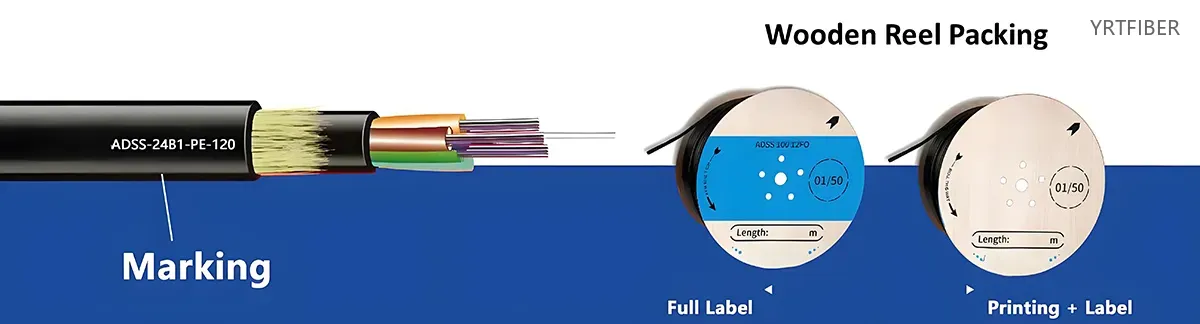
yrtfiber (Puyang yrt communication technology Co., Ltd.) provides single-mode fiber solutions for telecom, broadband, and enterprise networks—covering fiber optic cables, patch cords, pigtails, splitters, adapters, and connectors for project delivery and distribution business across the Middle East, CIS, South America, Africa, and Southeast Asia.
Need a fast quote? Send your application + fiber standard (G.652/G.657/OS2) + connector type + quantity, and we will respond with a matched configuration and supporting test options.
What "Single Optical Fiber" Means in RFQs
In real purchasing documents, "single optical fiber" can mean either:
A single fiber strand (single core / single strand), focusing on the number of fibers, or
Single-mode fiber (SMF), focusing on transmission mode.
This wording can cause mismatched quotations if the RFQ doesn't specify the standard and structure. For accurate pricing and compatibility, it's best to state:
1、Fiber type and standard (e.g., G.652 or G.657. OS2 requirement if applicable)
2、Product form (cable / patch cord / pigtail / splitter / adapter / connector)
3、Connector interface and polish (LC/SC/FC, UPC/APC)
4、Length, quantity, and required test documentation (IL/RL, OTDR, end-face inspection)
Single-Mode vs Multi-Mode: How to Choose (Quick Rule)
For most telecom, FTTx, campus, metro, and backbone deployments, single-mode fiber is the typical choice due to longer reach and lower attenuation in practical systems. Multi-mode is usually selected for short in-building links where the ecosystem is already designed around MMF optics.
If you are purchasing for projects in multiple regions or mixed infrastructure, single-mode is often preferred because it is widely deployed and easier to align across long-haul and access networks.
Key Specifications Purchasers Should Check
Attenuation (dB/km) and Link Budget
Attenuation directly affects how far your signal can travel and whether the link meets acceptance requirements. For project delivery, purchasers typically request evidence such as OTDR records and batch test summaries, especially for backbone and outdoor links.
Bend Performance (Macro-bending)
Bend performance matters for FTTH indoor routing, small junction boxes, tight cable trays, and corner turns. If your installation involves tight routing or frequent bends, selecting a bend-optimized option can help reduce unexpected loss and rework.
Dispersion (System Matching)
Dispersion becomes more sensitive in higher-speed and longer-distance systems. If your project uses high-rate optics or long spans, share distance and transceiver details so the recommended fiber aligns with system requirements.
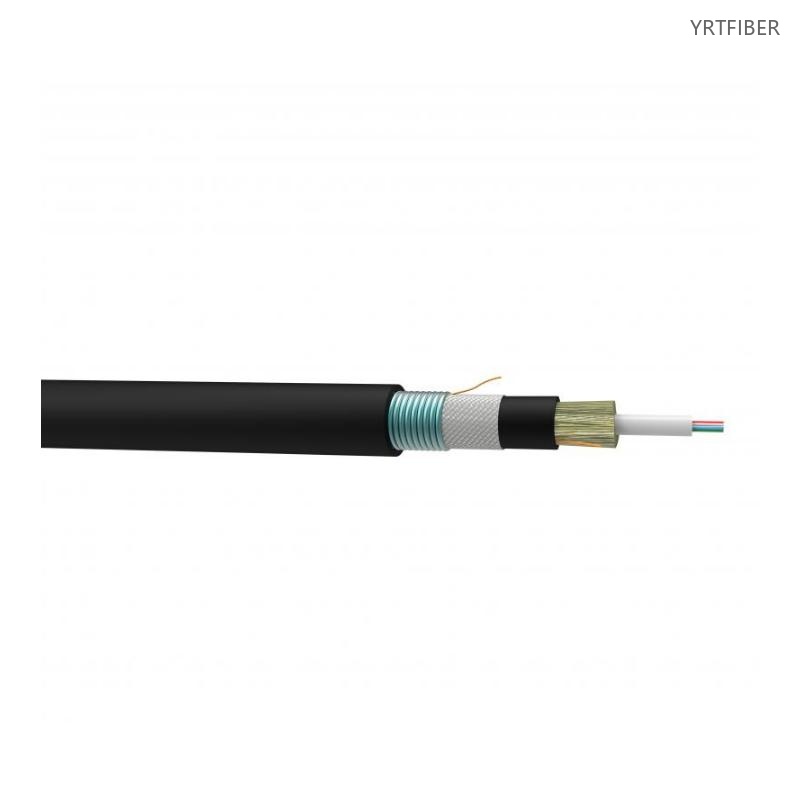
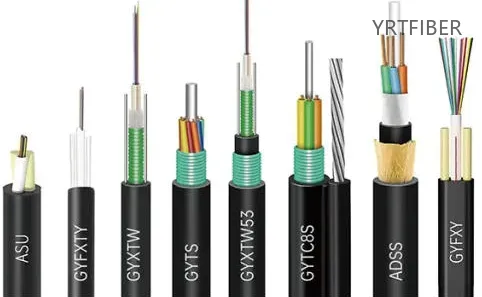
Structure (Cable/Jumper Design)
A "single fiber" request still requires structure definition: indoor/outdoor cable, armored/non-armored, loose/tight construction, jacket type, and packaging length. Structure often drives cost, lead time, and installation suitability more than the fiber strand itself.
Connector Type and Polish (UPC/APC)
Connector interface and polish affect insertion/return loss and compatibility. Always specify LC/SC/FC and UPC/APC in the RFQ to avoid mismatches at site.
G.652 vs G.657 vs OS2: How They Fit Different Deployments
Purchasers often see G.652. G.657. and OS2 in specifications. The most practical way to choose is by matching installation constraints and project standards rather than relying on a single keyword.
When to Consider G.652
G.652 is commonly selected for general-purpose single-mode deployments, including metro/backbone and outdoor distribution, where routing conditions are relatively standard and the focus is on broad compatibility with widely deployed systems.
When to Consider G.657
G.657 is frequently requested when the project involves tight bends, such as FTTH indoor drops, customer premises routing, distribution boxes, or dense cable management areas. If your route includes many corners, small enclosures, or compact trays, specifying G.657 can reduce bending-loss risk in practice.
Where OS2 Is Commonly Requested
OS2 is widely used in procurement language for low-loss single-mode cabling across many enterprise and carrier environments. In RFQs, OS2 should be paired with clear structure and deployment context (indoor/outdoor, jacket type, flame rating if needed) to prevent confusion and ensure the delivered product matches project documents.
If your tender or consultant spec uses OS2 wording, the safest approach is to share the spec section or BOM so we can match the requested standard, structure, and documentation.
Typical Applications and What to Specify in Your RFQ
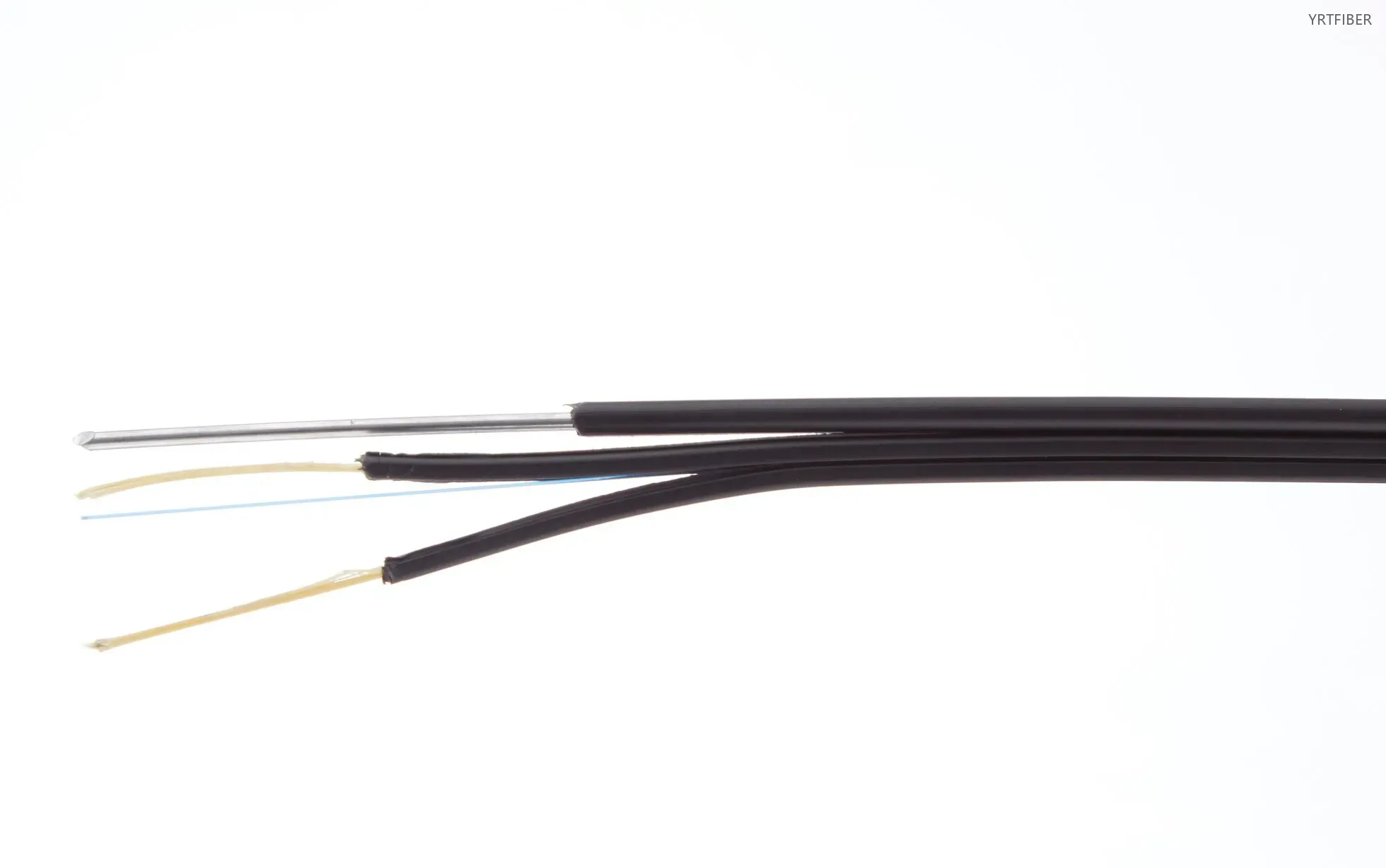
FTTH / Indoor Routing
Projects with indoor routing, wall corners, and small enclosures benefit from bend-aware selection.
What to specify: standard (often G.657), drop/indoor structure, connector type, lengths, and required tests.
Outdoor Duct / Aerial / Direct Burial
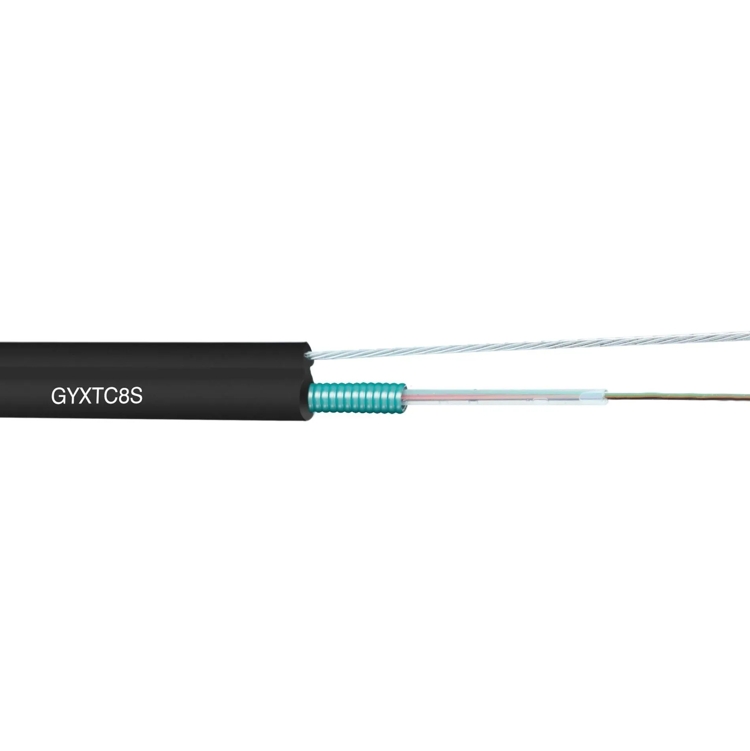
Outdoor projects require structure matching to environment, installation method, and protection needs.
What to specify: fiber standard, core count, armored/non-armored, jacket type, route type (duct/aerial/burial), acceptance documents.
Metro / Backbone / Distribution
Longer routes and acceptance workflows typically require clearer documentation.
What to specify: route length range, splice plan if applicable, fiber count, OTDR requirements, packaging and marking needs.
Data Center / Building Links
Purchasing is usually driven by interface and polarity management.
What to specify: patch cord type, connector type and polish, length list, IL/RL targets if required, end-face inspection request.
Passive Components Integration (Splitters / Adapters / Connectors)
For distribution and last-mile builds, passive component consistency reduces field issues.
What to specify: splitter ratio and package, connector interface, polish (UPC/APC), pigtail length, labeling requirements.
Products You Can Source from One Supplier (Project-Friendly Scope)
To simplify procurement and reduce compatibility risk, yrtfiber supports a consolidated supply scope:
fiber optic cables (indoor/outdoor structures, project-based configurations)
Patch cords (simplex/duplex, LC/SC/FC options, UPC/APC)
Pigtails (single-ended termination for splicing and panels)
PLC splitters (common ratios and package formats for distribution networks)
Adapters and connectors (matching interface and polish for site consistency)
For distributors and contractors, this "one-stop" scope helps reduce lead time uncertainty and avoids multi-vendor tolerance issues during installation.
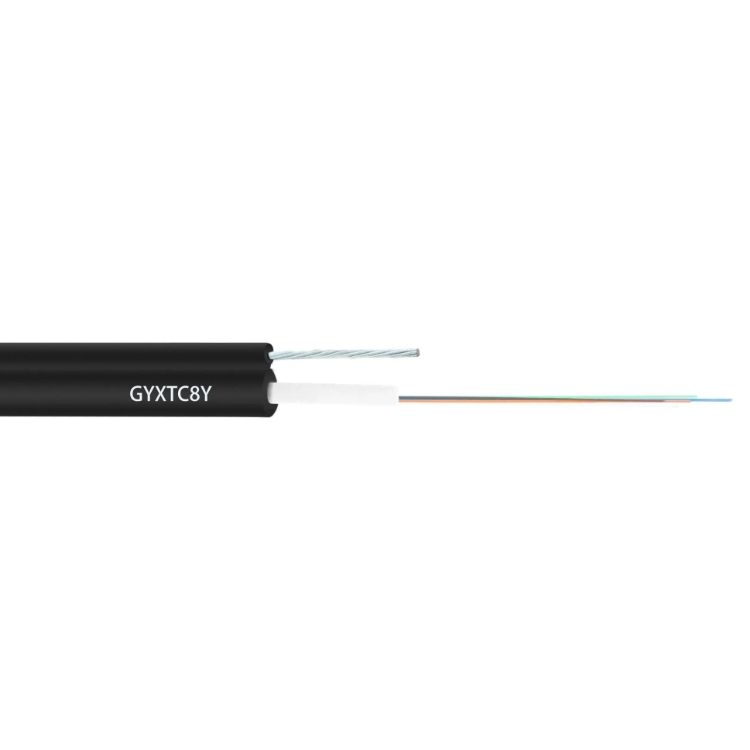
Testing, Inspection, and Management Systems for Project Delivery
For project delivery and incoming inspection, we can provide common evidence such as:
IL/RL results
OTDR records
End-face inspection documentation (where required)
Our management systems include:
GB/T19001-2016 / ISO9001:2015
GB/T24001-2016 / ISO14001:2015
GB/T45001-2020 / ISO45001:2018
If your project requires a specific document format, marking rule, or inspection checklist, include it in your RFQ so we can align the delivery package to your acceptance process.
RFQ Checklist for Fast Quotation (Copy & Paste)
Use the checklist below to speed up quoting and avoid mismatched configurations:
Application: FTTH / backbone / indoor / outdoor / data center
Fiber type: Single-mode (SMF)
Standard: G.652 / G.657
OS2 required: Yes / No (or attach spec)
Product form: cable / patch cord / pigtail / splitter / adapter / connector
Fiber count (core count):
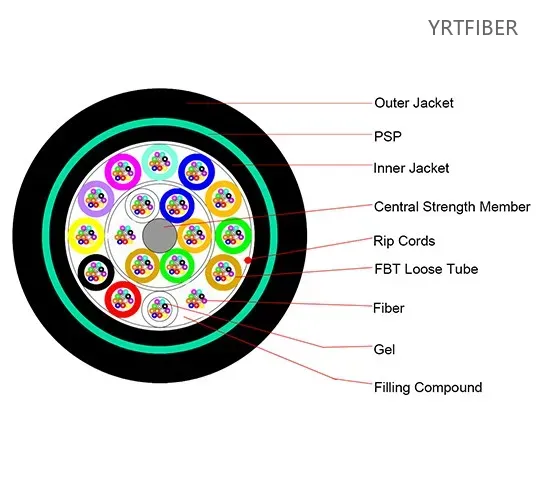
Structure: indoor/outdoor, armored/non-armored, loose/tight, etc.
Jacket: LSZH / PE / PVC + flame rating if required
Connector: LC/SC/FC…
Polish: UPC / APC
Length & quantity:
Tests & documents: IL/RL, OTDR, end-face inspection, others
Packaging & labeling: project name, OEM label, carton marks, packing list format
Destination & preferred delivery terms:
FAQ (Purchasing-Focused)
Is "single optical fiber" always single-mode?
Not always. It can mean a single strand (quantity) or single-mode (SMF). To avoid confusion, specify standard (G.652/G.657), structure, and connectors in the RFQ.
What's the difference between single fiber and simplex patch cord?
"Single fiber" often refers to a single strand/core, while a simplex patch cord is a cable assembly with one fiber and connectors on ends, defined by structure and termination.
When should I request G.657 instead of G.652?
If your routing includes tight bends, dense trays, indoor drops, or compact enclosures, requesting G.657 can reduce bending-loss risk and installation rework.
Does OS2 mean the same thing as G.652?
In procurement language, OS2 is commonly used for low-loss single-mode cabling, while G.652 is a telecom fiber standard reference. To prevent mismatches, specify both the OS2 requirement and the applicable standard/structure from your project documents.
What do you need for an accurate quote?
Application, standard (G.652/G.657/OS2 requirement), product form, structure, connector type (UPC/APC), lengths, quantities, and any required test documents.
Why can OTDR results vary between tests?
Results can vary due to connector cleanliness, launch conditions, splice quality, routing bends, and test setup. For acceptance, align test method and documentation requirements in advance.
UPC vs APC—how do I choose?
It depends on your network interface requirements. If your system specifies APC (often in some access networks), specify it clearly in the RFQ to match site components.
Ready to Quote? Send Your Requirement
For distributors and project contractors in the Middle East, CIS, South America, Africa, and Southeast Asia, we support project-oriented communication to reduce back-and-forth and speed up procurement.
Send any of the following and we'll match the configuration:
Your BOM or tender spec section
Target application + standard (G.652/G.657/OS2)
Connector interface/polish + lengths + quantities
Required test and documentation package (IL/RL, OTDR, end-face inspection)
Request Technical Recommendation