

 Español
 Português
 لالعربية
 Русский
 Bahasa Indonesia
 Français
 Türkçe
 Bahasa Melayu

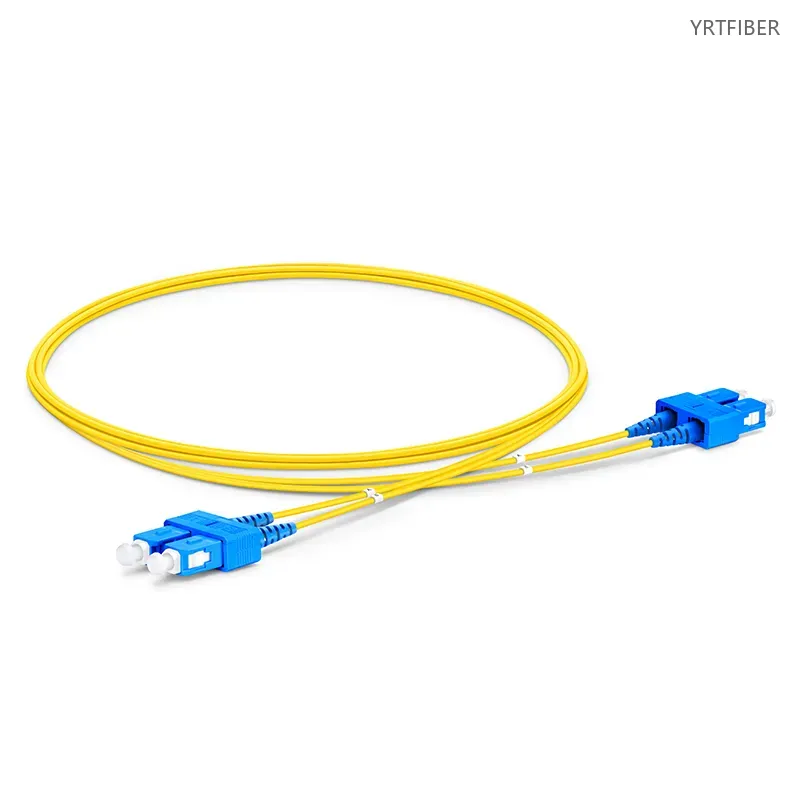
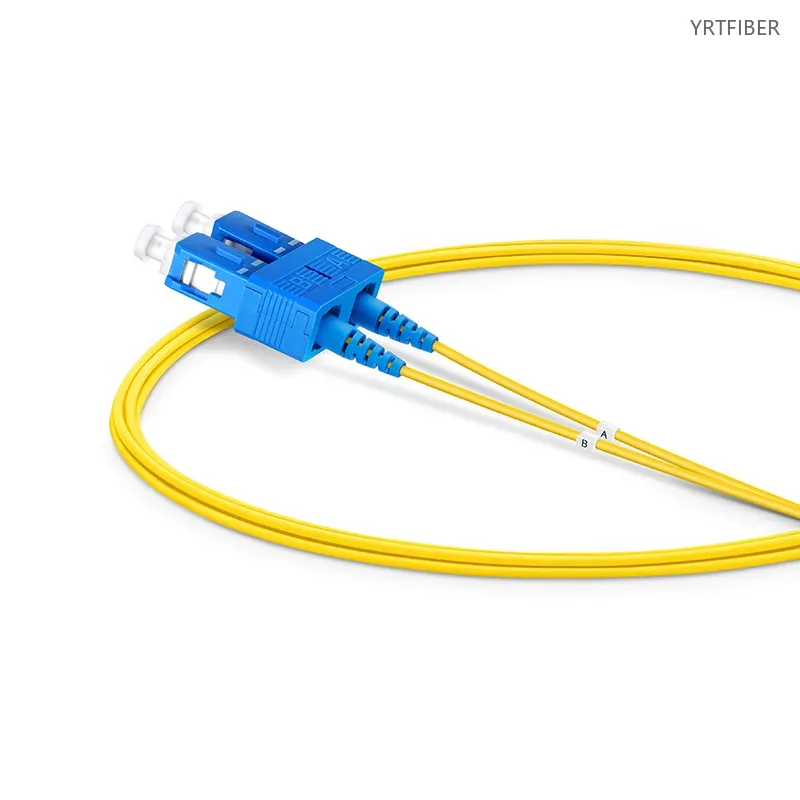
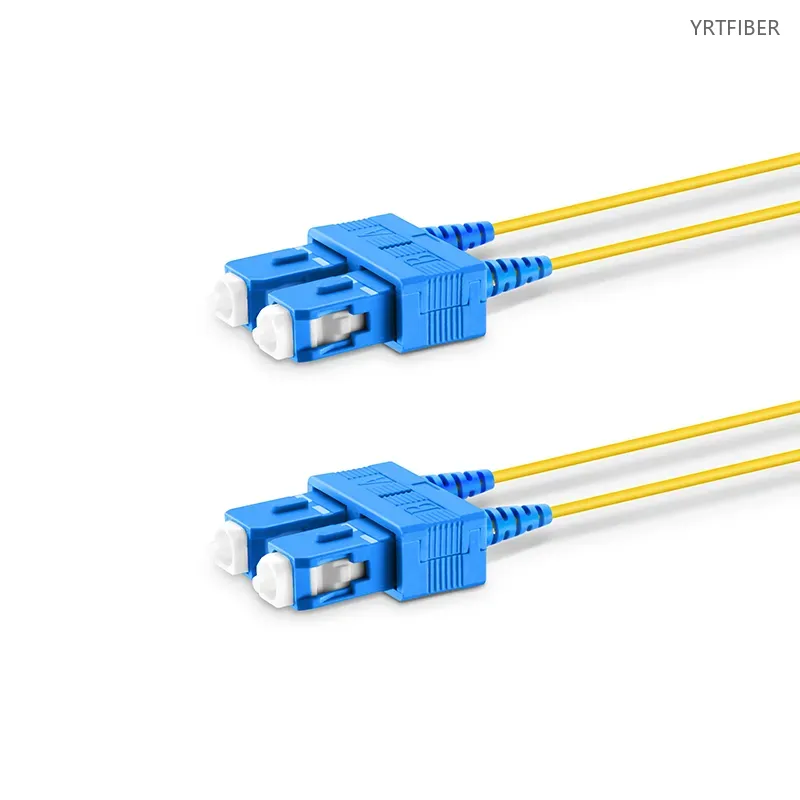
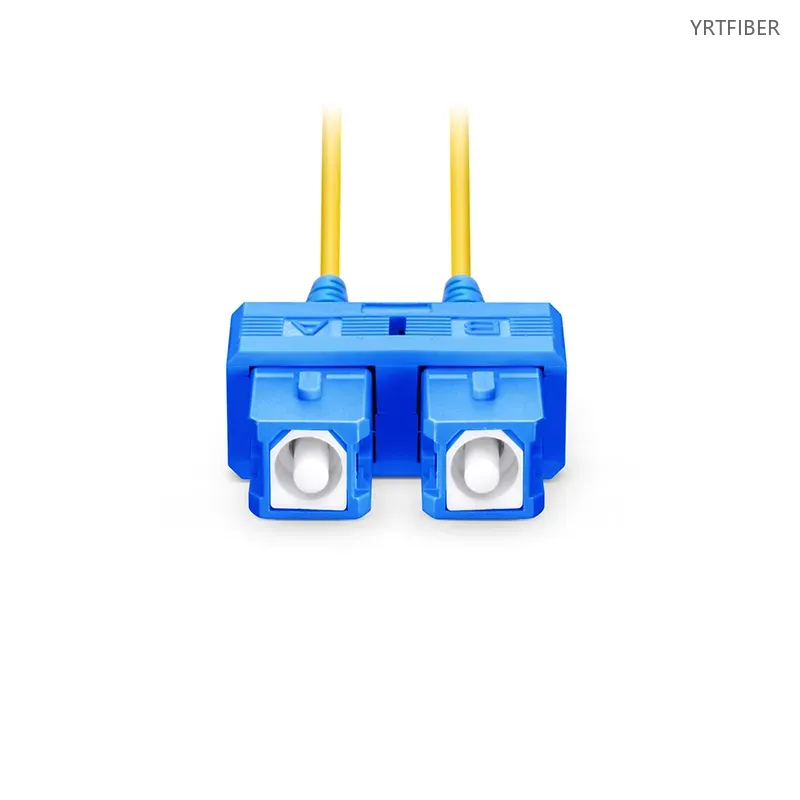
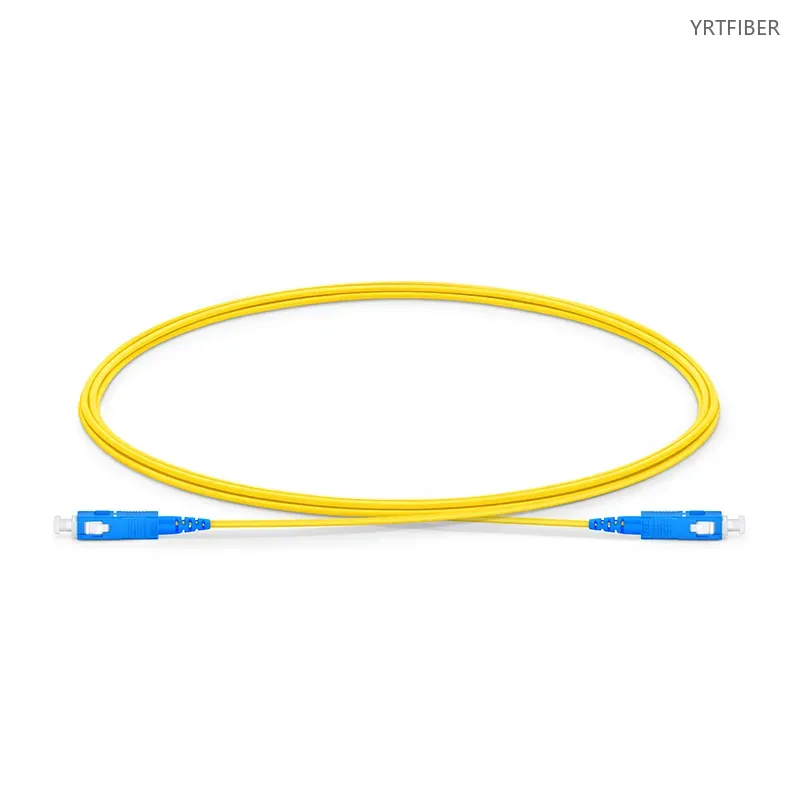
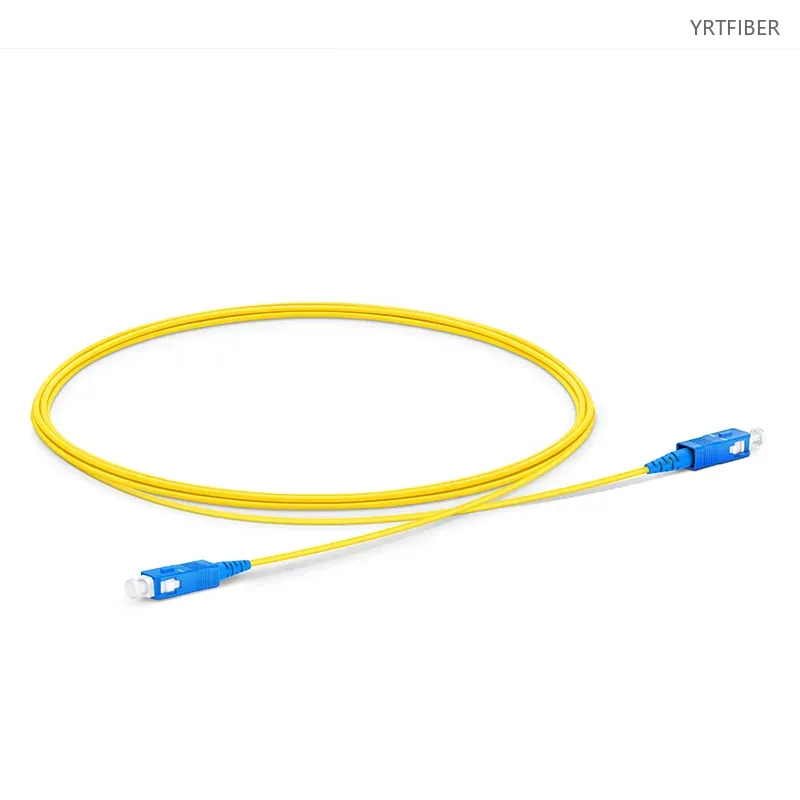
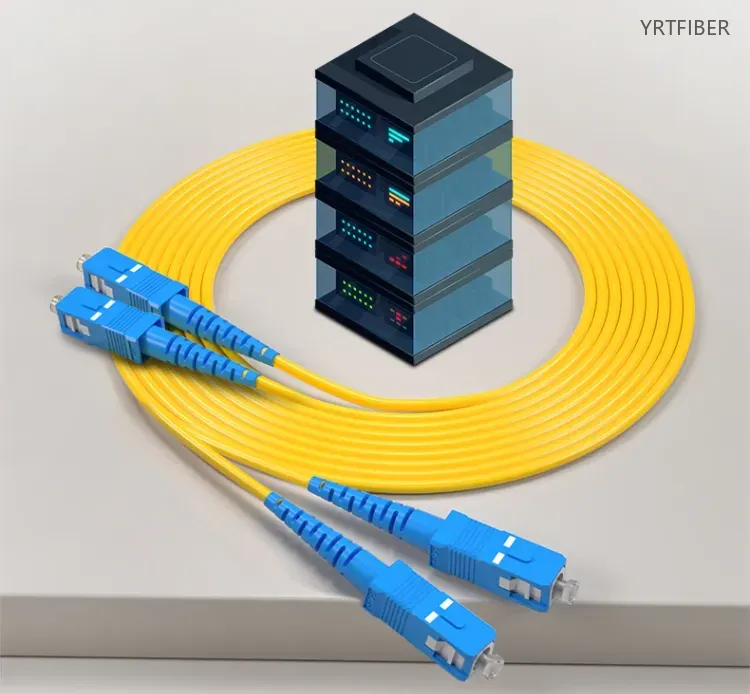
SC-SC UPC OS2 Fiber Patch Cord | Simplex & Duplex Riser (OFNR) Jumper
SC - SC connectors provide a secure and stable connection.
UPC polishing technology for low return loss, ensuring efficient signal transmission.
Single - mode OS2 fiber, suitable for long - distance and high - bandwidth applications with low attenuation.
Available in simplex and duplex options to meet different communication requirements.
Durable outer jacket material offers protection against mechanical stress and environmental factors.
Precision - made components for consistent performance and reliability.
What is an SC - SC UPC OS2 Fiber Patch Cord?
An SC - SC UPC OS2 Fiber Patch Cord is a type of optical fiber jumper that features SC - SC connectors with UPC polishing, designed for use with single - mode OS2 fiber. It is engineered to provide reliable, low - loss connections for long - distance and high - bandwidth optical communication applications, available in simplex or duplex configurations.
SC-SC UPC OS2 Fiber Patch Cord Specification parameters
- Specification parameters
- OPTICAL CHARACTERISTICS
SC UPC Simplex
| Connector A | SC UPC Simplex | Connector B | SC UPC Simplex |
| Fiber Count | 1 Fiber | Fiber Grade | G.657.A1 (Compatible with G.652.D) |
| Fiber Mode | OS2 9/125μm | Wavelength | 1310/1550nm |
| RoHS Compliancy Status | Compliant | Cable Type | Tight-Buffered |
| Cable Outside Diameter (OD) | 2.0mm | Flame Rating | Riser (OFNR) |
| Min. Bend Radius (Optical Fiber) | 10mm | Min. Bend Radius (Fiber Cable) | 10/5D (Dynamic/Static) |
| Connector Durability | 1000 times | Tensile Strength | 60/100N (Long/Short Term) |
| Insertion Loss | ≤0.3dB | Return Loss | ≥50dB |
| Attenuation at 1310nm | 0.4dB/km | Attenuation at 1550nm | 0.3dB/km |
| Operating Temperature | -10 to 70℃ (14 to 158℉) | Storage Temperature | -20 to 70℃ (-4 to 158℉) |
SC UPC Duplex
| Connector A | SC UPC Simplex | Connector B | SC UPC Simplex |
| Fiber Count | 2 Fiber | Fiber Grade | G.657.A1 (Compatible with G.652.D) |
| Fiber Mode | OS2 9/125μm | Wavelength | 1310/1550nm |
| RoHS Compliancy Status | Compliant | Cable Type | Tight-Buffered |
| Cable Outside Diameter (OD) | 2.0mm | Flame Rating | Riser (OFNR) |
| Min. Bend Radius (Optical Fiber) | 10mm | Min. Bend Radius (Fiber Cable) | 20/10D (Dynamic/Static) |
| Connector Durability | 1000 times | Tensile Strength | 60/100N (Long/Short Term) |
| Insertion Loss | ≤0.3dB | Return Loss | ≥50dB |
| Attenuation at 1310nm | 0.4dB/km | Attenuation at 1550nm | 0.3dB/km |
| Operating Temperature | -10 to 70℃ (14 to 158℉) | Storage Temperature | -20 to 70℃ (-4 to 158℉) |
Product Structure & Composition
Fiber Core and Cladding: The 9/125 µm single - mode OS2 glass fiber at the core is responsible for carrying optical signals with high efficiency, while the cladding surrounds the core to contain the light within the fiber.
Strength Members: Aramid yarn or other high - strength materials are incorporated to enhance the cable's tensile strength, protecting the fiber from being damaged by pulling forces during installation and use.
Outer Jacket: Made of materials like PVC, LSZH (Low - Smoke Zero - Halogen), which offer mechanical protection, flame - retardancy, and resistance to environmental elements. The outer jacket may be color - coded, often yellow for single - mode fibers.
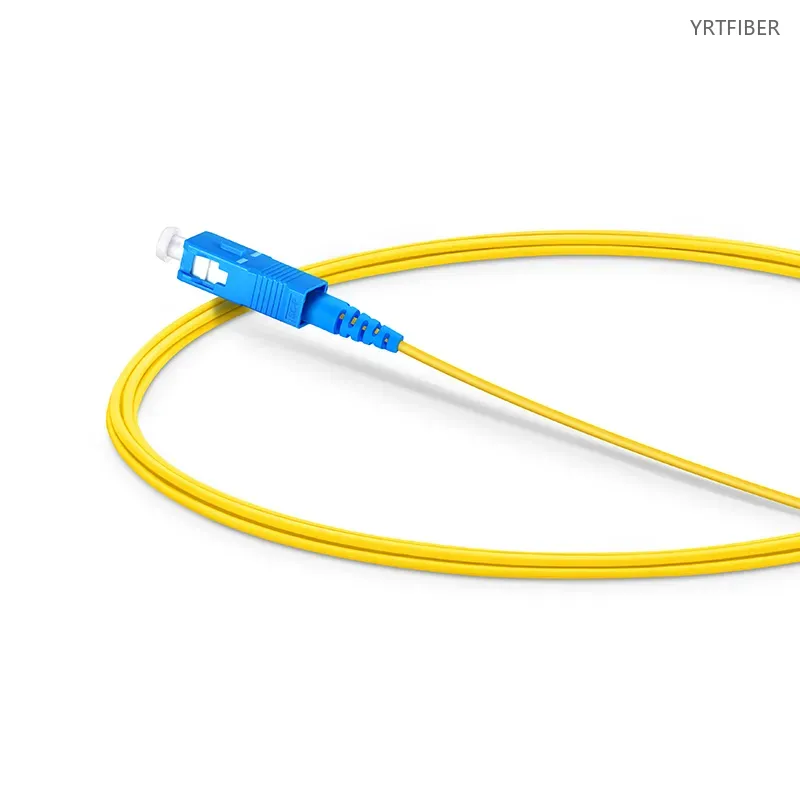
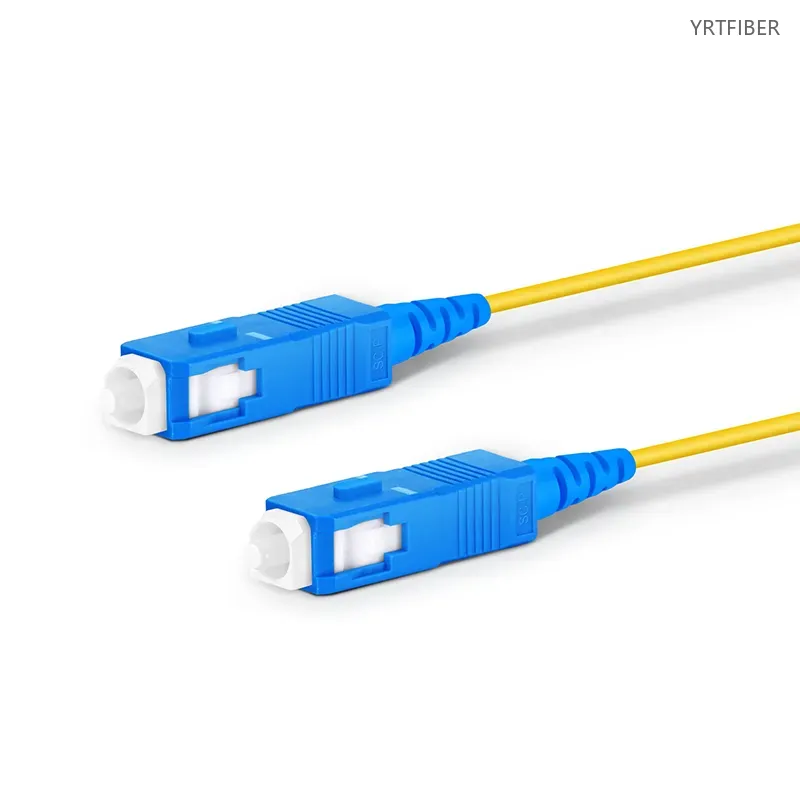
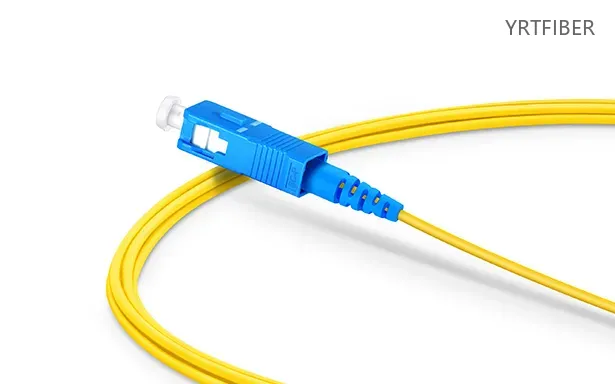
SC Connector: Consists of a rectangular plastic body and a 2.5mm zirconia ceramic ferrule. The connector uses a push - pull locking mechanism for easy and secure connection to optical equipment.
UPC Polishing: The end - face of the ceramic ferrule is polished in a UPC (Ultra - Physical Contact) manner, creating a slightly convex surface. This results in a high - quality optical connection with low return loss, typically achieving a return loss of ≥ 50 dB.
Benefits of SC-SC UPC OS2 Fiber Patch Cord
Reliable SC Connector Design
The SC connector's rectangular body and push - pull locking mechanism provide a stable and easy - to - use connection. The 2.5mm zirconia ceramic ferrule ensures accurate alignment and low insertion loss, typically ≤ 0.3 dB. This design makes it suitable for various optical network equipment, from data centers to telecommunications facilities.
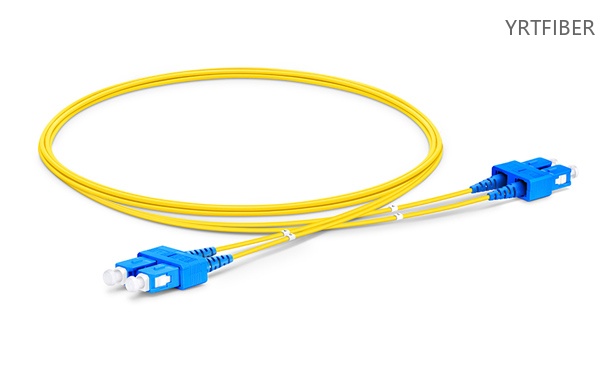
UPC Polishing for Superior Signal Integrity
UPC polishing on the ferrule end - face creates a precise, slightly convex surface. This minimizes signal reflections, achieving a high return loss. In single - mode applications, this is crucial for maintaining signal integrity over long distances, reducing the need for signal regeneration and improving overall system performance.
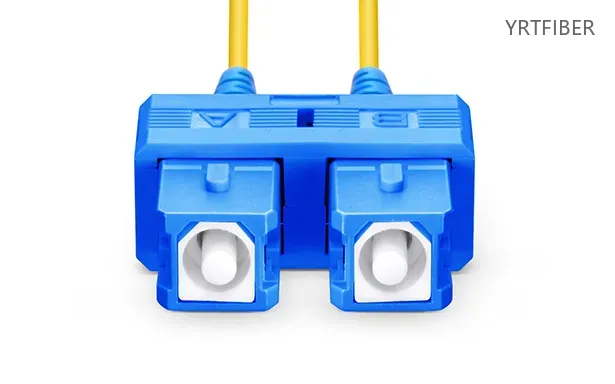
Single - mode OS2 Fiber's Long - haul Capability
The 9/125 µm single - mode OS2 fiber offers excellent low - attenuation characteristics, especially at wavelengths of 1310 nm and 1550 nm. This makes it ideal for long - distance transmission, such as in inter - city telecommunications links, undersea cables, and long - span data center connections.
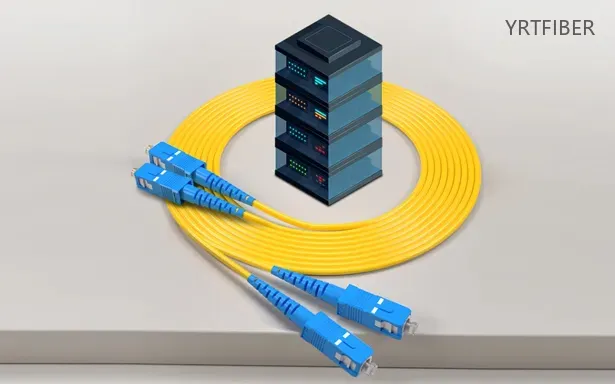
Simplex and Duplex Flexibility
Available in simplex (single - fiber) for unidirectional communication and duplex (two - fiber) for bidirectional communication, the SC - SC UPC OS2 Fiber Patch Cord can adapt to different network topologies and application requirements. Whether it's a simple point - to - point link or a complex full - duplex communication system, this flexibility enhances its usability.
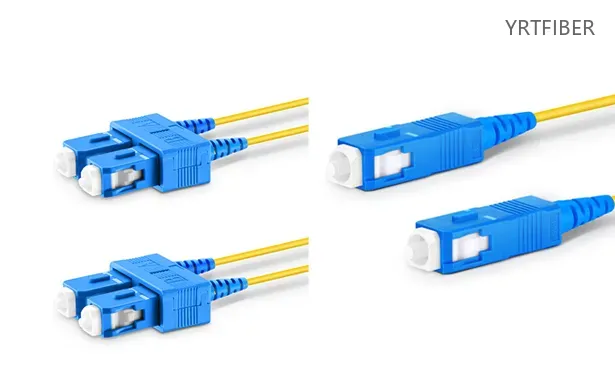
Engineering Applications SC-SC UPC OS2 Fiber Patch Cord
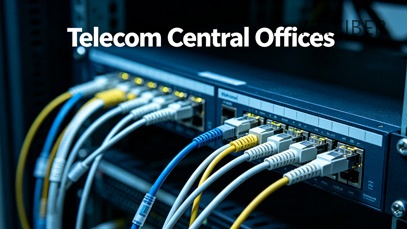
Telecom Central Offices
In telecom central offices, the SC - SC UPC OS2 Fiber Patch Cord is used to connect various pieces of equipment, such as switches, routers, and optical line terminals (OLTs). Its reliable connection and low - loss performance ensure seamless communication within the central office and for long - distance transmission to other offices or end - users.
Metropolitan Area Networks (MANs)
For MANs, which cover a large urban area, the long - distance capabilities of the single - mode OS2 fiber are crucial. The SC - SC connectors' ease of use and reliability make it an ideal choice for connecting different nodes within the MAN, enabling high - speed data transfer between businesses, data centers, and residential areas.
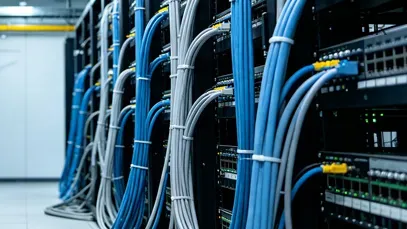
Data Center Inter - Rack Connections
Inside data centers, the SC - SC UPC OS2 Fiber Patch Cord can be used for inter - rack connections. Its ability to support high - bandwidth applications and reliable connection in a data - center environment makes it suitable for connecting servers, storage devices, and networking equipment across different racks, ensuring efficient data flow within the data center.
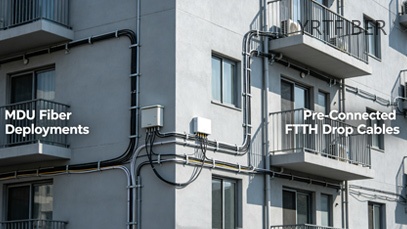
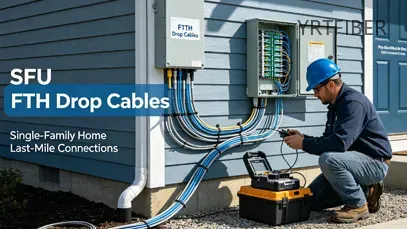
Fiber - to - the - Building (FTTB) and Fiber - to - the - Home (FTTH)
In FTTB and FTTH applications, the SC - SC UPC OS2 Fiber Patch Cord can be used to connect the optical distribution network (ODN) to the optical network unit (ONU) at the building or home. Its simplex or duplex options can meet different user requirements, providing high - speed and reliable broadband access.
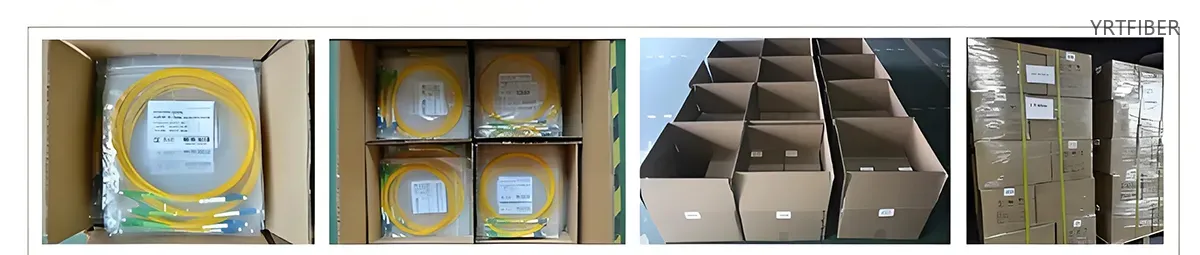
Shipping & Packaging

Product Comparison:
SC - SC UPC vs LC - LC UPC
| Feature / Dimension | SC - SC UPC Fiber Patch Cable | LC - LC UPC Fiber Patch Cable |
|---|---|---|
| Structure / Form Factor | Rectangular plastic body with a 2.5mm ceramic ferrule. Larger in size compared to LC, taking up more space in patch panels. | Small form - factor (SFF) plastic body with a 1.25mm ceramic ferrule. Occupies less space, enabling higher port density in patch panels. |
| Coupling Mechanism | Push - pull locking mechanism for easy connection and disconnection. | Push - pull latching mechanism, which allows for quick and intuitive connection and disconnection, especially suitable for high - density patching. |
| Typical Applications | Telecom central offices, Metropolitan Area Networks (MANs), Fiber - to - the - Building (FTTB) and Fiber - to - the - Home (FTTH) where space is relatively abundant. Also used in some industrial and outdoor applications due to its robust design. | Data centers with high - density cabling requirements, enterprise LANs, and applications where small - size connectors are preferred for high - port - density setups, such as connections to SFP/SFP + transceivers. |
| Key Engineering Pros | - Robust construction suitable for harsh environments. - Larger ferrule may offer more stable alignment in some cases. - Well - established in the industry, with a wide range of compatible equipment. | - High port density, allowing more connections in the same space. - Quick connection and disconnection, ideal for dynamic data center operations. - Dominant standard for modern transceivers like SFP, SFP +, QSFP. |
| Key Engineering Cons | - Lower port density compared to LC. - May be bulkier for quick connection in tight spaces. - In high - density applications, requires more space for cabling management. | - Smaller size may make it less robust in extremely harsh environments. - Plastic body may be more prone to damage compared to metal - bodied connectors in some cases. - Higher manufacturing precision required, potentially leading to higher cost in some markets. |
| Tolerance to Vibration / Shock | Generally good due to its relatively robust structure. Can withstand moderate vibration and shock in industrial and outdoor environments. | Good for normal indoor environments, but may be less tolerant to high - level vibration and shock compared to SC. Latch mechanism may loosen under sustained vibration. |
| Cable Jacket Options | PVC, LSZH (Low - Smoke Zero - Halogen), and sometimes plenum - rated materials like OFNP. Suitable for different environmental requirements, such as indoor, outdoor, and fire - safety - critical areas. | Similar to SC, including PVC, LSZH, and OFNP. Additionally, available in different duplex cable configurations like 2.0 mm or 3.0 mm round, or uniboot designs for specific applications. |
| Fiber Mode Options | Primarily single - mode OS2, but can also be used with multimode fibers in some cases, though less common. | Supports both single - mode OS2 and multimode fibers such as OM3, OM4, OM5. Bend - insensitive fibers (G.657.A1/A2) are widely available for LC connectors. |
| Cost (Relative) | Cost - effective, especially in large - scale deployments where the manufacturing process is well - established. Lower unit cost in many cases compared to LC in non - high - density applications. | May have a slightly higher unit cost due to the precision required for the smaller size. However, in high - density applications, the overall cost can be competitive considering the space savings. |
| Maintenance & Handling | Cleaning requires access to the rectangular body, which is relatively straightforward. Removal may take a bit more effort compared to LC. Risk of damage to the larger ferrule if mishandled. | Easy to clean as the small size allows for good access. The push - pull latching mechanism enables quick removal. Dust cap fits securely. However, the small ferrule may be more delicate and prone to damage during handling. |
SC-SC UPC OS2 Fiber Patch Cord Selection Guide
How to Choose the SC - SC UPC OS2 Fiber Patch Cord
When choosing an SC - SC UPC OS2 Fiber Patch Cord, consider the following factors. First, assess the available space in your installation environment. If space is not a constraint, such as in large telecom central offices or some industrial settings, the relatively larger - sized SC connectors can provide a more robust and reliable connection.
Second, determine the type of application. For long - distance telecommunications applications like MANs or long - span data center connections, the single - mode OS2 fiber's low - attenuation properties make this patch cord an excellent choice. If the application requires high - port density, like in modern data centers, you may need to compare the port - density capabilities of SC connectors with those of other types, such as LC connectors.
Third, consider the frequency of connection and disconnection. If the connections need to be changed frequently, the ease of use of the push - pull locking mechanism of SC connectors should be evaluated. While it is easy to use, in high - density, tight - space environments, the LC connector's smaller size and quicker latching may be more advantageous.
Fourth, take into account the environmental conditions. If the installation is in a harsh environment, such as outdoors or in an industrial area with high mechanical stress, the more robust construction of the SC - SC UPC OS2 Fiber Patch Cord can offer better protection for the fiber and ensure reliable operation.
Finally, cost is also a significant factor. For large - scale deployments, the well - established manufacturing process of SC - SC connectors may result in cost - effective solutions, especially when compared to some smaller - sized, high - precision connectors like LC in non - high - density applications.
Installation Instructions
Before installation, visually inspect the SC - SC UPC OS2 Fiber Patch Cord for any visible damage to the outer jacket, connectors, or fiber. Check the end - faces of the SC connectors for cleanliness. If necessary, clean them as described in the FAQ section.
Align the SC connector with the corresponding port on the optical device. The key on the connector should match the keyway in the port. Gently push the connector into the port until you feel a click, indicating that the locking mechanism has engaged. Do not force the connection, as this may damage the connector or the port.
When routing the cable, ensure that the minimum bending radius of the fiber is maintained. For single - mode OS2 fiber, the minimum bending radius
Download YRTFIBER Product Catalog
Factory Real Shot
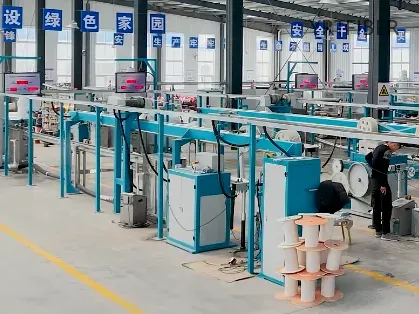
World-Class Production Infrastructure
Spanning 60.000 square meters of dust-controlled manufacturing space, our facility integrates over 21 fully automated production lines dedicated to both single-core and MPO patch cords. Equipped with high-precision fiber cleavers (operating at ±0.08 mm tolerance), FLC automatic termination stations, and advanced UV curing systems, we consistently deliver thousands of high-quality connectors per day.
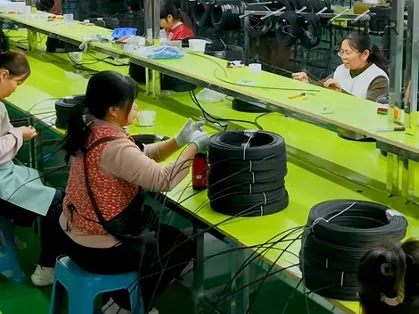
Core Manufacturing Precision
Every connector begins with micro-tolerance cleaving-end-face angles held to within ±0.5°-followed by six-axis fusion splicing that limits core deviation to ≤1 μm. After jacketing with LSZH, PVC, or OFNP materials, connectors undergo automated polishing across PC, UPC, and APC finish lines
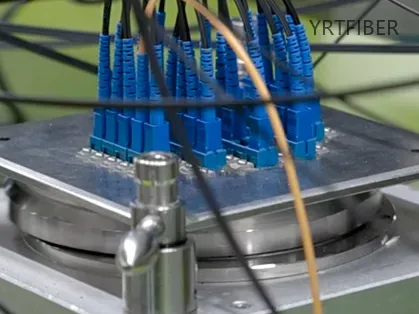
Quality Assurance
We perform inspection on every patch cord, including interferometric end-face analysis at 400x magnification, automated contamination screening, and insertion/return loss verification via OTDR. Additionally, representative samples are subjected to rigorous environmental and mechanical tests-temperature cycling, humidity exposure, and pull-force validation-fully compliant with IEC and TIA standards.
Frequently Asked Questions & Quick Inquiry
SC-SC UPC OS2 Fiber Patch Cord FAQ
Q2: Where is it used?
A: Interconnect/cross-connect in data centers, telecom, and enterprise networks; pre-terminated for fast plug-and-play.
Q3: Key optical specs?
A: Insertion loss ≤0.3 dB, return loss ≥50 dB (UPC); OS2 9/125 μm at 1310/1550 nm.
Q4: Simplex vs. duplex—what’s the difference here?
A: Simplex = 1 fiber; duplex = 2 fibers (both SC-UPC ends).
Q5: Cable build & durability?
A: Tight-buffered 2.0 mm OFNR jacket; bend radius 10 mm (fiber) and up to 20/10D (cable), 1000-cycle durability, 60/100 N tensile; −10 °C to 70 °C operating.
What is the maximum transmission distance of the SC - SC UPC OS2 Fiber Patch Cord?
The maximum transmission distance can reach up to 40 - 80 kilometers depending on factors such as the quality of the fiber, the power of the optical source, and the sensitivity of the receiver. In a well - designed system with appropriate optical components, it can achieve long - distance transmission over tens of kilometers at wavelengths like 1310 nm or 1550 nm.
How do I clean the SC connectors to maintain good performance?
Use a lint - free cleaning swab dipped in isopropyl alcohol to gently wipe the end - face of the ceramic ferrule. Wipe in a single direction to avoid scratching the polished surface. After wiping, use a clean, dry swab to remove any remaining moisture. It is crucial to keep the connector end - face clean to minimize insertion loss and return loss.
Can I use a simplex SC - SC UPC OS2 Fiber Patch Cord for two - way communication?
No, a simplex cord is designed for one - way communication. For two - way communication, you need to use a duplex SC - SC UPC OS2 Fiber Patch Cord, which has two fibers to support simultaneous transmission and reception of signals.
What are the signs that the SC - SC UPC OS2 Fiber Patch Cord is damaged?
Signs of damage may include high insertion loss, which can cause a significant decrease in signal strength. If the outer jacket is physically damaged, it may expose the inner fiber to mechanical stress. Also, if the return loss is much higher than normal, it could indicate problems with the UPC polishing or connector alignment, potentially due to damage.
How does the temperature affect the performance of the SC - SC UPC OS2 Fiber Patch Cord?
Extreme temperatures can impact the performance. High temperatures may cause the outer jacket material to degrade, affecting its mechanical protection properties. In terms of the fiber, it can slightly increase attenuation, especially in the long - term. Low temperatures may make the cable more brittle, increasing the risk of fiber breakage during handling. However, within the normal operating temperature range (usually - 20°C to + 70°C), the performance degradation is minimal.
Can I use the SC - SC UPC OS2 Fiber Patch Cord in a multimode network?
No, this patch cord is specifically designed for single - mode OS2 fiber. Multimode networks require fiber with different core and cladding dimensions, typically 50/125 μm or 62.5/125 μm, and may use different connector types or polishing techniques optimized for multimode transmission.
Send Your Inquiry
Fill out the form below and we'll get back to you within 24 hours.
Related Articles

FC-FC UPC Fiber Patch Cable – Simplex OS2 or Duplex OM4, 2.0mm Riser-Rated Jacket
FC-FC UPC Fiber Patch Cable – Simplex OS2 or Duplex OM4, 2.0mm Riser-Rated Jacket


