

 Español
 Português
 لالعربية
 Русский
 Bahasa Indonesia
 Français
 Türkçe
 Bahasa Melayu

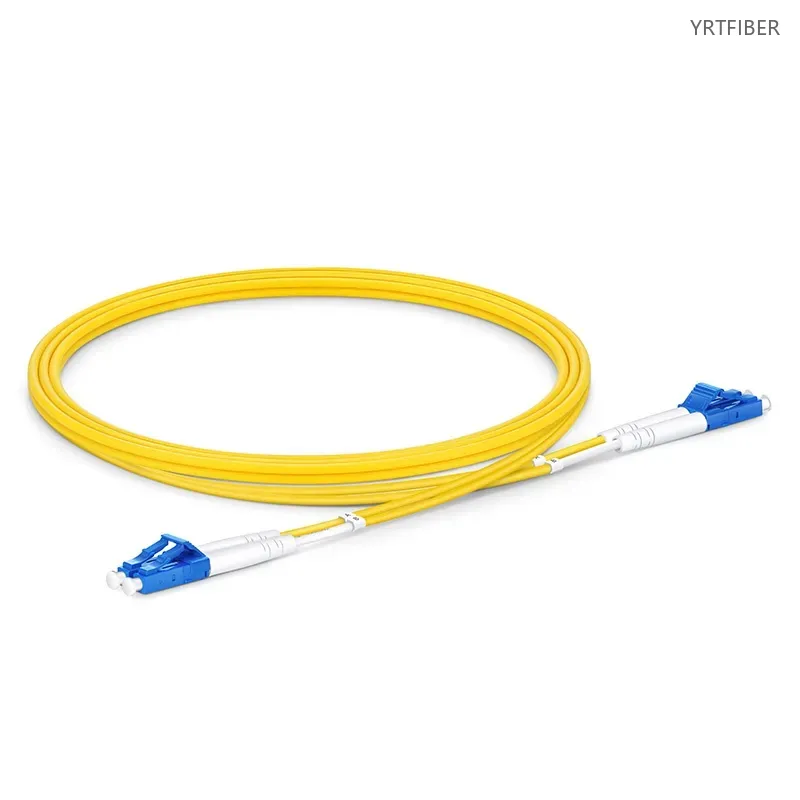
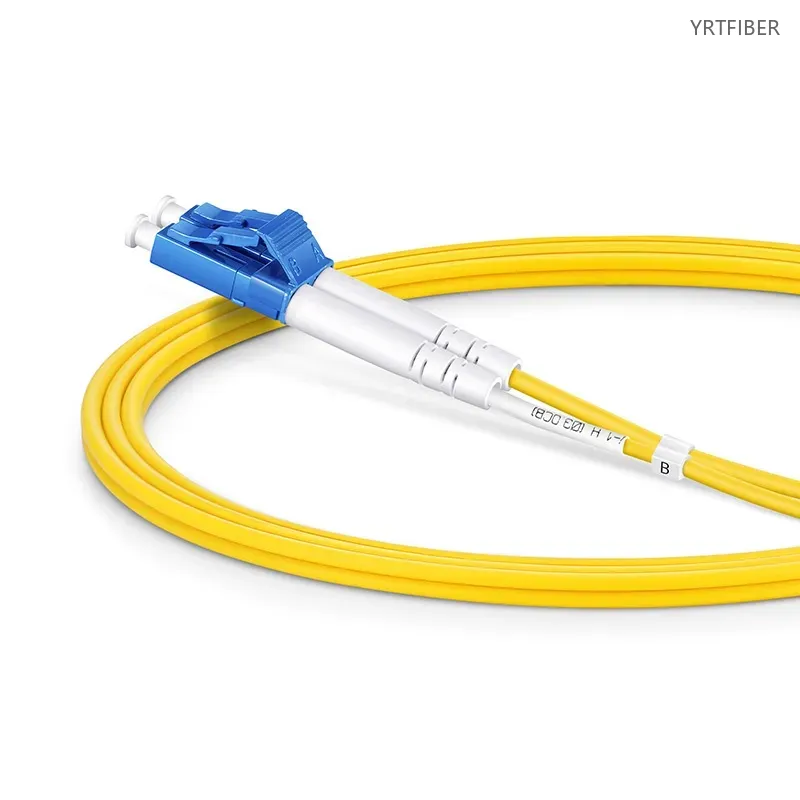
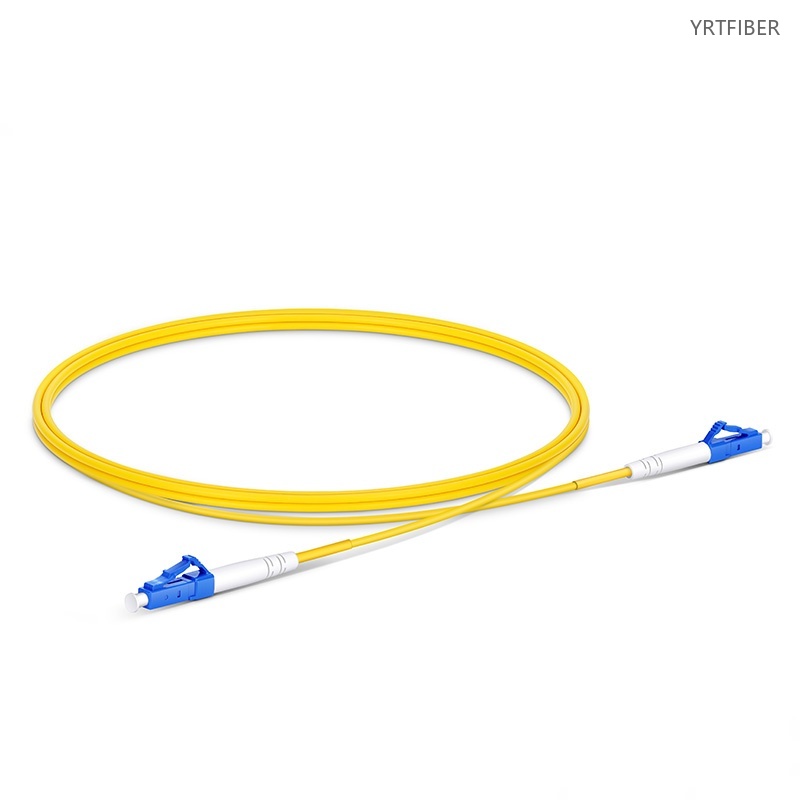
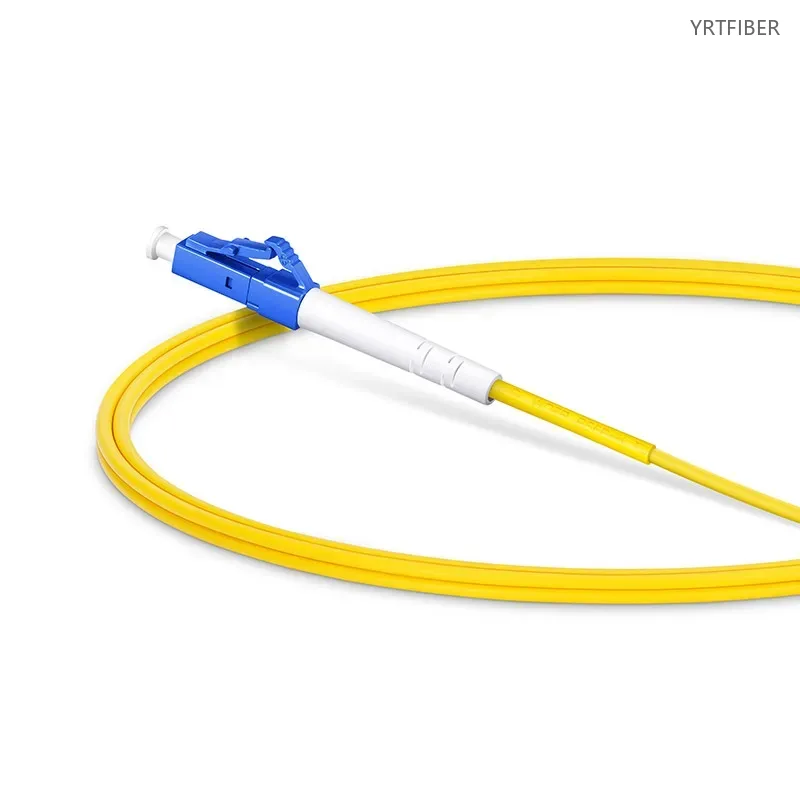
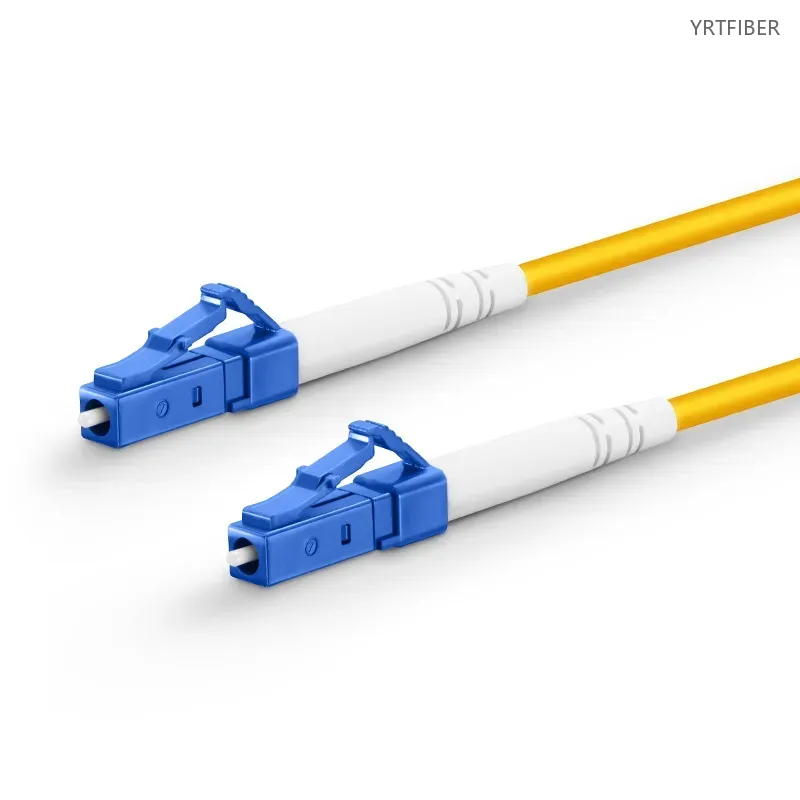
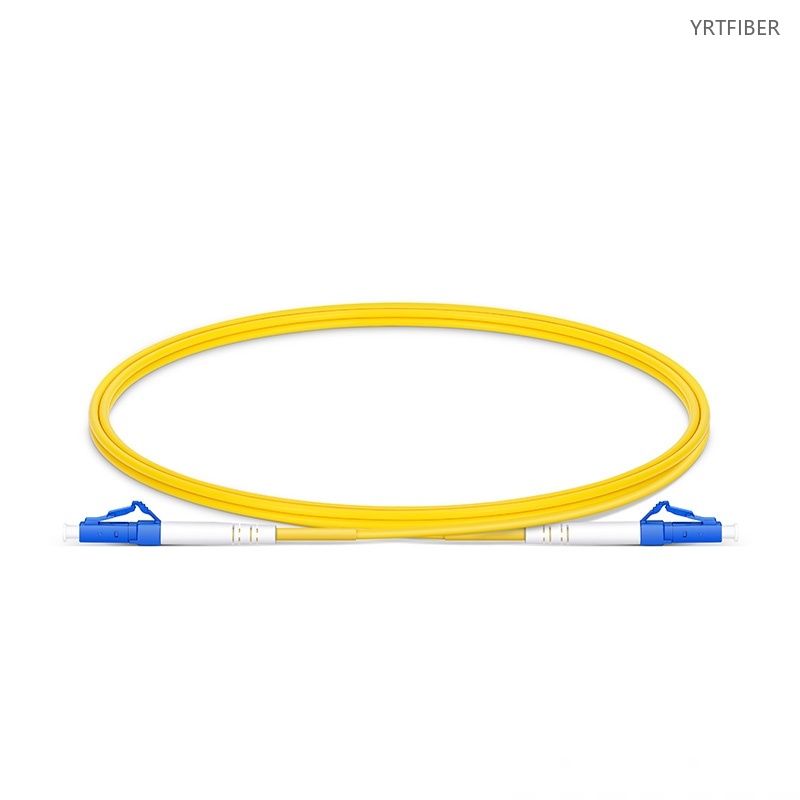
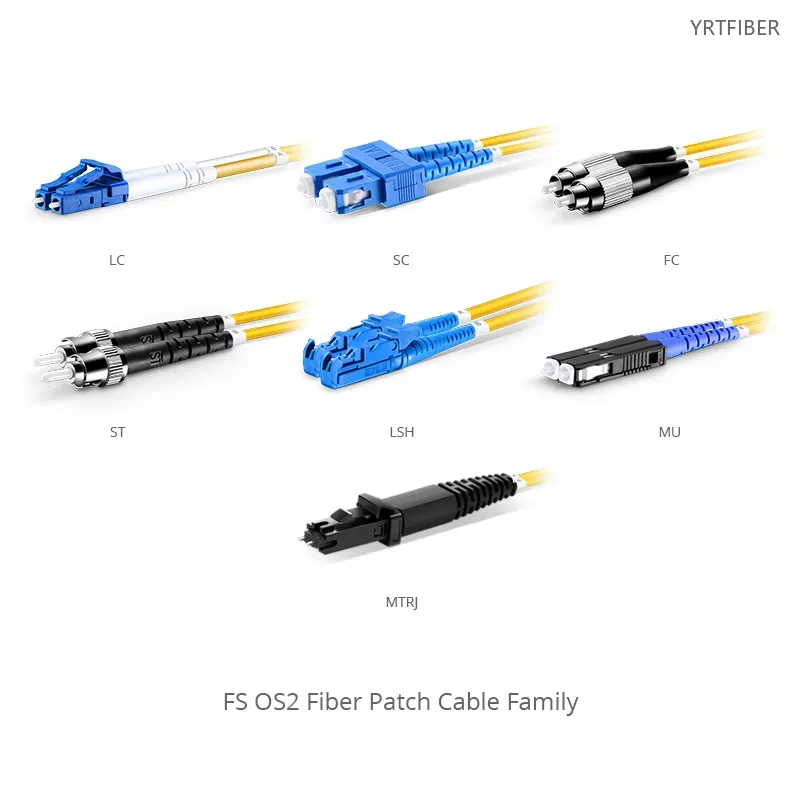
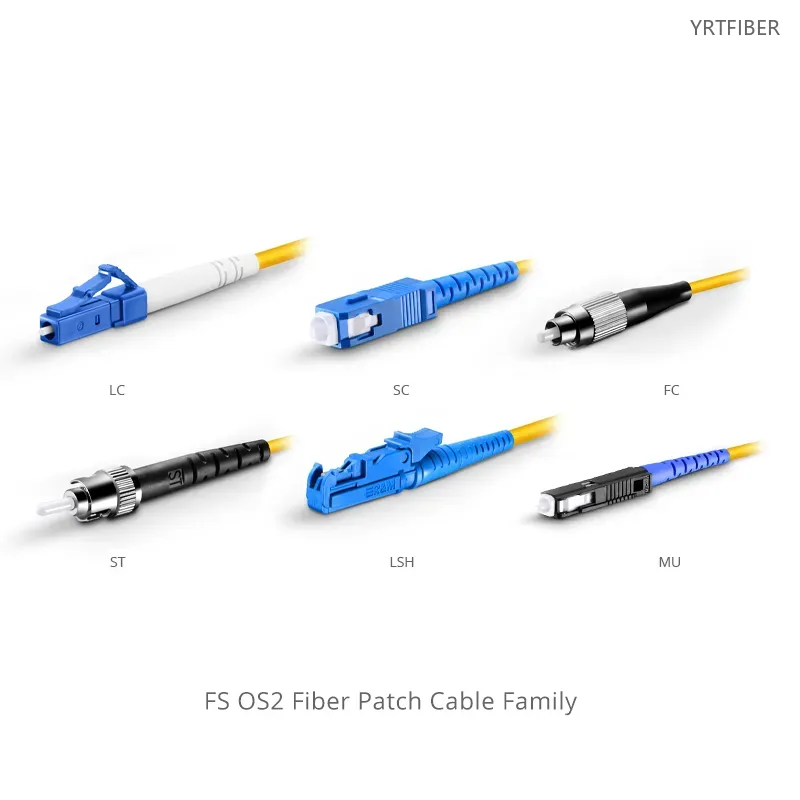
LC-LC UPC Simplex/Duplex Single Mode (OS2) Fiber Patch Cable – Riser (OFNR), 2.0mm Tight-Buffered
Exceptional Bend Resistance
Low-Loss Optical Performance
Vertical Installation Safety
Instant Visual Identification
Twin-Core Reinforced Structure
Pre-Terminated Plug-and-Play
Carrier-Grade Application Ready
What is an LC - LC UPC Simplex/Duplex Single Mode (OS2) fiber patch cord?
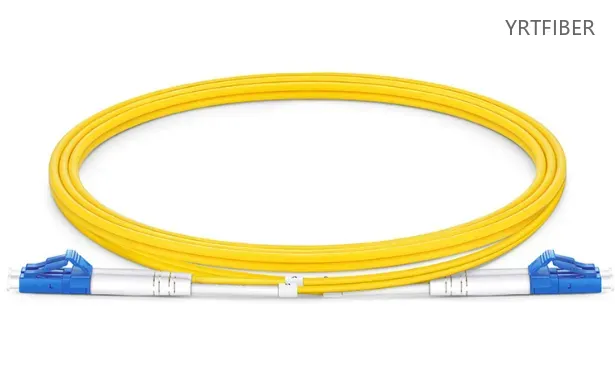
The LC - LC UPC Simplex/Duplex Single Mode (OS2) fiber patch cord is a type of fiber optic jumper that uses LC - LC connectors and incorporates the UPC polishing process. It comes in simplex and duplex configurations, is designed for single - mode (OS2) transmission, and is specifically tailored for long - distance, low - loss data transmission applications, and can be widely used in various scenarios requiring reliable optical connections.
LC-LC UPC Simplex/Duplex Single Mode (OS2) Specification parameters
- Specification parameters
- OPTICAL CHARACTERISTICS
LC-LC UPC Simplex
| Connector A | LC UPC Simplex | Connector B | LC UPC Simplex |
|---|---|---|---|
| Fiber Count | 1 Fiber | Fiber Grade | G.657.A1 (Compatible with G.652.D) |
| Fiber Mode | OS2 9/125μm | Wavelength | 1310/1550nm |
| RoHS Compliancy Status | Compliant | Cable Type | Tight-Buffered |
| Cable Outside Diameter (OD) | 2.0mm | Flame Rating | Riser (OFNR) |
| Min. Bend Radius (Optical Fiber) | 10mm | Min. Bend Radius (Fiber Cable) | 10/50 (Dynamic/Static) |
| Connector Durability | 1000 times | Tensile Strength | 60/100N (Long/Short Term) |
| Insertion Loss | ≤0.3dB | Return Loss | ≥50dB |
| Attenuation at 1310nm | 0.4dB/km | Attenuation at 1550nm | 0.3dB/km |
| Operating Temperature | -10 to 70°C (14 to 158°F) | Storage Temperature | -20 to 70°C (-4 to 158°F) |
LC-LC UPC Duplex
| Connector A | LC UPC Simplex | Connector B | LC UPC Simplex |
|---|---|---|---|
| Fiber Count | 2 Fiber | Fiber Grade | G.657.A1 (Compatible with G.652.D) |
| Fiber Mode | OS2 9/125μm | Wavelength | 1310/1550nm |
| RoHS Compliancy Status | A (Tx) to B (Rx) | Cable Type | Tight-Buffered |
| Cable Outside Diameter (OD) | 2.0mm | Flame Rating | Riser (OFNR) |
| Min. Bend Radius (Optical Fiber) | 10mm | Min. Bend Radius (Fiber Cable) | 10/50 (Dynamic/Static) |
| Connector Durability | 1000 times | Tensile Strength | 90/150N (Long/Short Term) |
| Insertion Loss | ≤0.3dB | Return Loss | ≥50dB |
| Attenuation at 1310nm | 0.4dB/km | Attenuation at 1550nm | 0.3dB/km |
| Operating Temperature | -10 to 70°C (14 to 158°F) | Storage Temperature | -20 to 70°C (-4 to 158°F) |
Product Structure & Composition
Fiber Core and Cladding: The 9/125 µm single - mode (OS2) glass fiber is used for efficient optical signal transmission.
Reinforcement Elements: Aramid yarn and other reinforcing materials are used inside to enhance the tensile strength of the cable, protecting the fiber from the impact of tensile forces during installation and use.
Outer Jacket: High - quality, wear - resistant and flame - retardant materials such as PVC or LSZH are used. It provides mechanical protection and adapts to different environmental conditions. Usually, it is yellow to identify single - mode fiber.
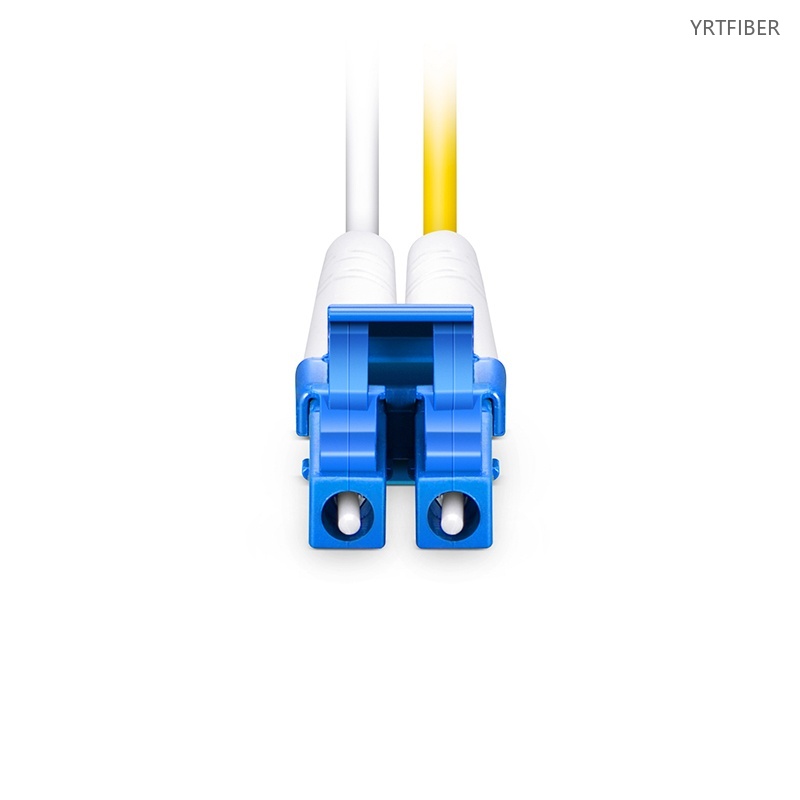
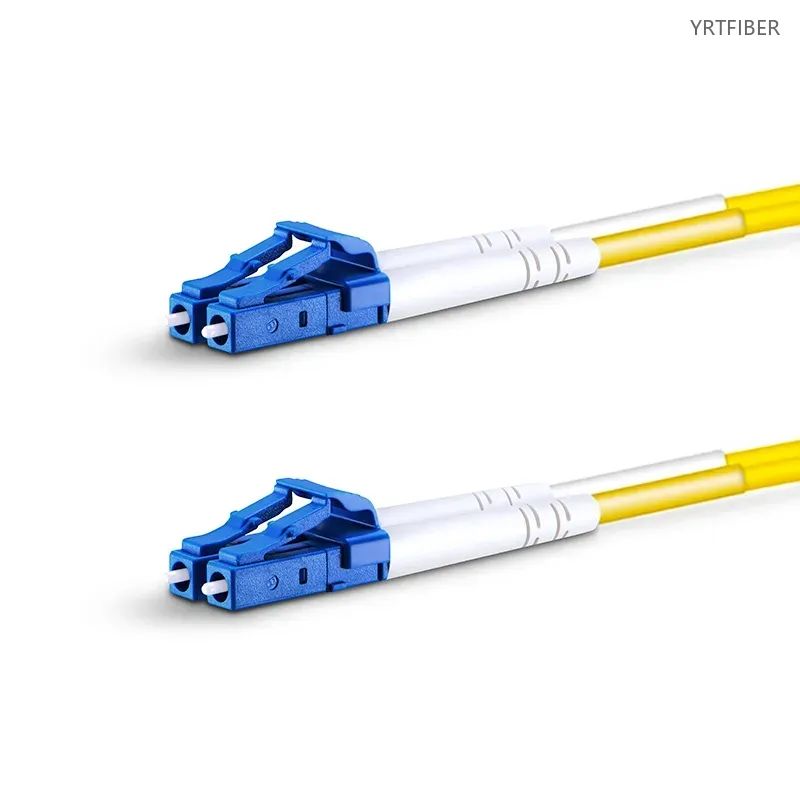
LC Connector: Consists of a plastic body and a 1.25mm zirconia ceramic ferrule. The push - pull locking mechanism enables quick and reliable connection, ensuring low insertion loss.
UPC Polishing: The end - face of the ceramic ferrule is polished by UPC to form a slightly convex surface, achieving low return loss and ensuring stable optical signal transmission.
Benefits of LC-LC UPC Simplex/Duplex Single Mode (OS2)
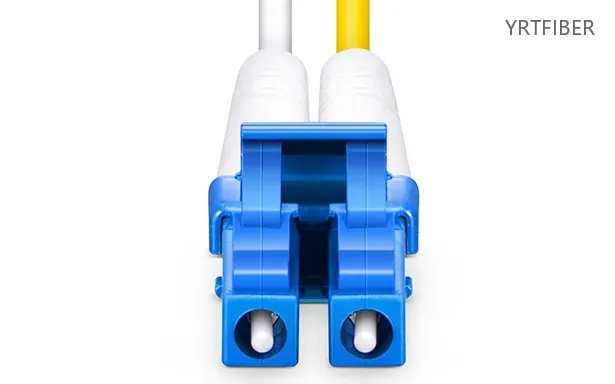
Efficient LC Connector Design
The LC connector features a small size and high - density integration. The 1.25mm zirconia ceramic ferrule, combined with the push - pull locking mechanism, is easy to operate, allowing for quick connection and disconnection. At the same time, it ensures connection stability and reduces insertion loss.
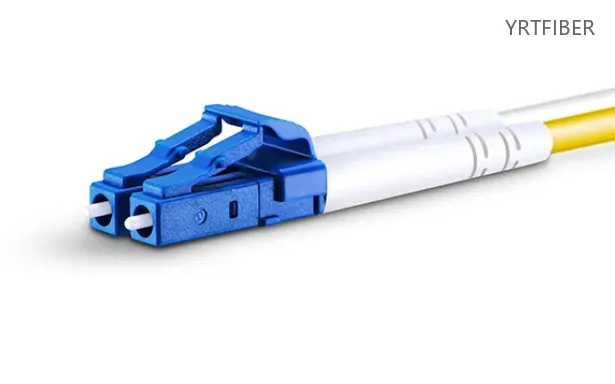
UPC Polishing Ensures Low Return Loss
The end - face of the ferrule after UPC polishing is slightly convex. It makes close contact with the mating ferrule, effectively reducing the reflection of optical signals. The typical return loss can reach over 50dB, ensuring the stability of signal transmission over long distances.

Long - distance and Low - loss Advantages of Single - mode (OS2) Fiber
The 9/125 µm single - mode (OS2) fiber exhibits excellent low - loss characteristics, performing well at wavelengths of 1310nm and 1550nm. It is suitable for long - distance data transmission, such as inter - data - center connections and telecom backbone networks.
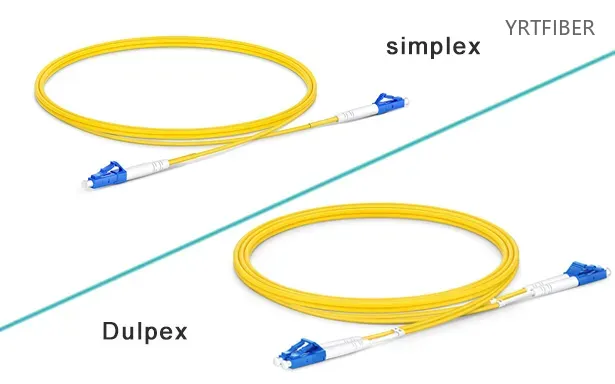
Flexible Selection of Simplex/Duplex Modes
It offers both simplex and duplex modes. The simplex mode is suitable for one - way data transmission, while the duplex mode supports two - way data transmission simultaneously, meeting the needs of different network architectures and application scenarios, such as point - to - point communication or full - duplex communication systems.
Engineering Applications LC-LC UPC Simplex/Duplex Single Mode (OS2)
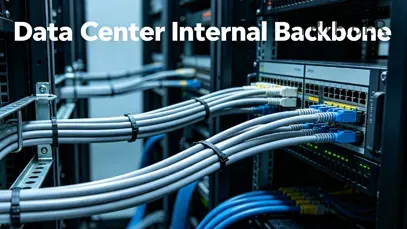
Internal Connections in Data Centers
In data centers, it is often used for connections between servers and switches, as well as between switches and storage devices. It meets the requirements of high - speed and stable data transmission, supporting large - scale data interaction and processing within the data center.
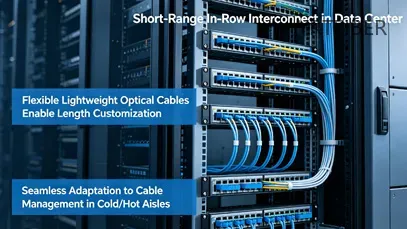
Telecom Backbone Networks
As an important connection component in telecom backbone networks, it is used for long - distance inter - office transmission, connecting various nodes to ensure the reliable transmission of voice, data and other services, meeting the requirements of telecom operators for large - capacity and long - distance transmission.
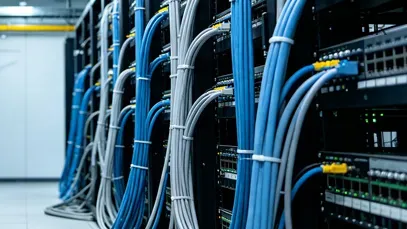
Long - distance Connections in Enterprise Campus Networks
For network connections between different buildings within an enterprise campus, this fiber patch cord can provide long - distance and low - loss links, ensuring the stable operation of the enterprise's internal network and supporting various internal business such as office automation and video conferencing.
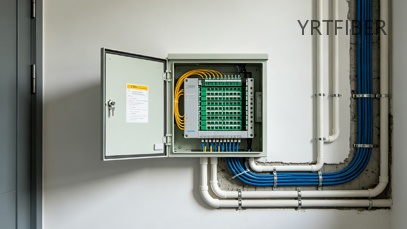
Fiber - to - the - Home (FTTH) Termination
In FTTH applications, the LC - LC UPC single - mode fiber patch cord is used to connect the optical network unit (ONU) at the user end to the optical distribution network (ODN). Its small - size LC connectors are suitable for the limited space in home environments, providing high - speed and reliable broadband access for users
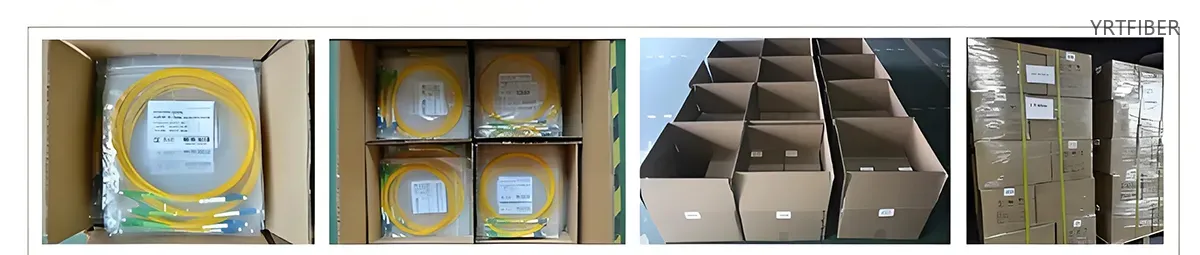
Shipping & Packaging

Product Comparison:
LC - LC UPC vs SC - SC UPC
| Feature / Dimension | LC - LC UPC Fiber Patch Cable | SC - SC UPC Fiber Patch Cable |
|---|---|---|
| Connector Structure and Size | Small - size design, 1.25mm ceramic ferrule, plastic body, push - pull locking mechanism, suitable for high - density installation. | Medium - size, 2.5mm ceramic ferrule, rectangular plastic body, plug - and - play connection, occupies relatively more space. |
| Typical Application Scenarios | Data centers, high - density patch panels, enterprise LANs, connections to small - form - factor optical modules like SFP/SFP +. | Fiber - to - the - curb (FTTC), fiber - to - the - building (FTTB), general telecom equipment room connections, suitable for scenarios where high density is not the primary requirement. |
| Connection Convenience | Push - pull design enables quick and easy connection and disconnection, suitable for frequent plug - and - unplug scenarios. | Plug - and - play connection is relatively more cumbersome than LC, and frequent plug - and - unplug may affect connection stability. |
| Port Density | Due to its small size, it can achieve higher port density in the same space, suitable for high - density cabling environments with limited space. | The port density is relatively lower, and it requires more space in high - density cabling. |
| Vibration Resistance | The push - pull locking mechanism can resist vibration to a certain extent, but it is slightly weaker compared to threaded connections. | For the plug - and - play connection in a vibrating environment, additional fixing measures may be required to ensure connection stability. |
| Cost | Due to the small - size design and high - precision manufacturing requirements, the unit cost may be slightly higher, but it has an advantage in overall cost in high - density applications. | The manufacturing process is relatively mature, and the cost is relatively low, especially in large - scale applications. |
LC-LC UPC Simplex/Duplex Single Mode (OS2) Selection Guide
How to Choose the LC - LC UPC Simplex/Duplex Single Mode (OS2) Fiber Patch Cord
When choosing a fiber patch cord, first, determine the required working mode according to the actual application scenario. If it is a simple one - way data transmission, such as the signal transmission from a surveillance camera to a storage device, the simplex mode can meet the need. If it involves two - way data interaction between devices, such as the communication between a server and a switch, the duplex mode should be selected.
Secondly, consider the optical interface type of the device. If the device is equipped with an LC interface, such as common SFP and SFP + optical modules, then the LC - LC fiber patch cord is the inevitable choice. Its small - size and high - density integration features can give full play to the performance advantages of the device and achieve efficient connection.
Furthermore, transmission distance and bandwidth requirements are also important factors. Since this product uses single - mode (OS2) fiber, which has excellent low - loss and long - distance transmission capabilities, it is suitable for long - distance and high - bandwidth data transmission scenarios, such as inter - data - center connections and metropolitan area network backbone links. If the transmission distance is short and cost - sensitivity is high, other types of fiber patch cords can be comprehensively considered.
In addition, for environments with limited installation space and high - density cabling requirements, such as the patch panels in data centers, the LC - LC UPC fiber patch cord, with its small size and push - pull quick - connection features, can effectively save space and improve cabling efficiency. In industrial environments with significant vibrations, additional fixing measures may need to be considered to ensure connection stability.
Finally, also consider the compatibility with other network components. Ensure that the fiber patch cord can work well with existing optical transceivers, adapters, and other devices to avoid potential compatibility issues that may affect network performance.
Installation Instructions
Before installing the LC - LC UPC Simplex/Duplex Single Mode (OS2) fiber patch cord, ensure that the optical interfaces of the connected devices are clean and free of dust and debris. Special cleaning tools can be used for cleaning.
During installation, align the LC connector of the fiber patch cord with the LC interface of the device and gently insert it. You will hear a "click" sound indicating that the connector is locked in place. Pay attention to a smooth insertion process and avoid excessive force that may damage the connector or the device interface.
During cabling, pay attention to the minimum bending radius of the fiber. Generally, the minimum bending radius of single - mode (OS2) fiber should not be less than 10 times the cable diameter to prevent increased loss or even breakage of the fiber due to excessive bending. At the same time, use cable ties or cable trays to fix the cable to avoid cable shaking or being pulled by external forces.
After installation, it is recommended to test the link using test equipment such as an optical power meter to ensure that indicators such as insertion loss and return loss meet the requirements. If the test results are abnormal, check whether the connectors are installed correctly and whether the fiber is damaged.
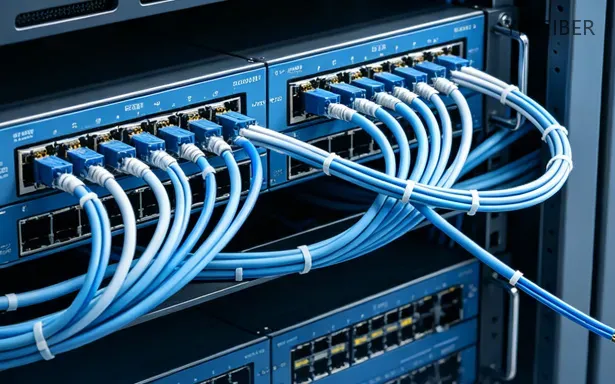
Download YRTFIBER Product Catalog
Factory Real Shot
State-of-the-Art Manufacturing Facilities
Our 60,000 sqm dust-proof workshop houses over 21+ automated production lines for single-core and MPO patch cords. Equipment includes high-precision fiber cutters (±0.08 mm tolerance), FLC automatic termination machines, and UV curing systems, enabling a daily output of thousands of connectors with consistent quality.
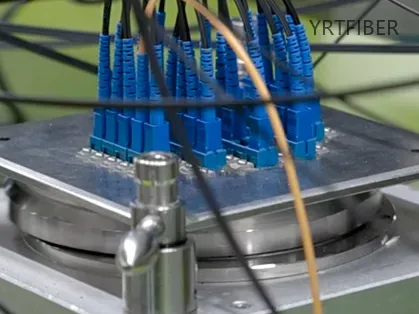
Precision Core Manufacturing Process
The process starts with micro-tolerance cutting (end-face angle ±0.5°) and six-axis fusion splicing (core deviation ≤1 μm). After multilayer jacketing with LSZH, PVC, or OFNP, connectors are polished on automated lines for PC, UPC, or APC finishes, achieving up to 7,000 connectors per 11-hour shift.
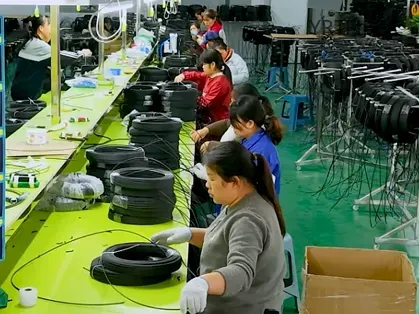
Rigorous Quality Assurance & Testing
Every patch cord undergoes 100% inspection: interferometric end-face analysis (400x), automatic contamination detection, and insertion/return loss testing via OTDR. Environmental samples also pass temperature, humidity, and pull-force tests per IEC/TIA standards.
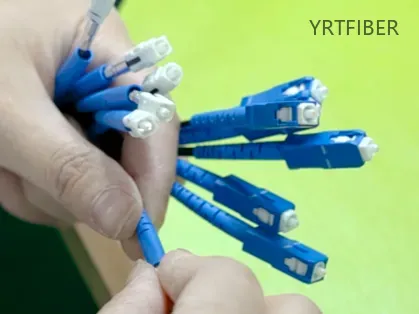
Frequently Asked Questions & Quick Inquiry
LC-LC UPC Simplex/Duplex Single Mode (OS2) FAQ
What is the maximum transmission distance of the LC - LC UPC fiber patch cord?
Under ideal conditions, the transmission distance of the single - mode (OS2) fiber patch cord can reach dozens of kilometers. However, the actual transmission distance is affected by many factors, such as optical emission power, receiving sensitivity, fiber loss, and connection point loss. Generally, in standard telecom network applications, with suitable optical modules, a reliable transmission distance of about 10 - 40 kilometers can be achieved.
How to clean the LC connector?
When cleaning the LC connector, special fiber - optic cleaning tools should be used, such as dust - free cleaning swabs and high - purity isopropyl alcohol. First, dip the dust - free cleaning swab in an appropriate amount of isopropyl alcohol and gently wipe the end - face of the ceramic ferrule. Note that it should be wiped in one direction to avoid scratching the surface by back - and - forth wiping. After wiping, dry it with a clean dust - free cloth to ensure that there is no residual liquid on the end - face. During the operation, avoid touching the end - face of the ferrule to prevent contamination.
How to distinguish between simplex and duplex patch cords in appearance?
Generally, the simplex patch cord has only one fiber, and the corresponding LC connector is also single. While the duplex patch cord has two parallel fibers, and the two LC connectors are combined together through a clip or other structure for two - way data transmission. In addition, there may be markings or color distinctions on the outer jacket of the duplex patch cord to indicate its duplex characteristics.
What is the difference in performance between LC - LC UPC and other types of fiber patch cords?
The LC - LC UPC fiber patch cord has advantages in terms of small size, high port density, and quick connection due to its LC connector design. Compared with some other types like SC - SC UPC, it is more suitable for high - density cabling environments. In terms of optical performance, the UPC polishing ensures relatively low return loss, similar to other UPC - polished patch cords, but the overall performance also depends on the quality of the fiber and manufacturing process.
Can the LC - LC UPC fiber patch cord be used in outdoor environments?
The LC - LC UPC fiber patch cord can be used in outdoor environments to a certain extent if the outer jacket is made of materials suitable for outdoor use, such as LSZH with good weather resistance. However, additional protection measures like using cable ducts or proper waterproof and UV - resistant coatings may be needed to ensure long - term reliable operation, as outdoor environments may have more severe conditions such as moisture, sunlight, and mechanical stress.
How to test the quality of the LC - LC UPC fiber patch cord after installation?
After installation, optical power meters and optical time - domain reflectometers (OTDRs) can be used to test the quality of the fiber patch cord. Use an optical power meter to measure the insertion loss, ensuring that it is within the specified range. An OTDR can be used to detect the overall quality of the fiber link, including any potential fiber breaks, splice losses, and return loss. If the test results are abnormal, check whether the connectors are properly installed, whether the fiber is damaged, etc.
Send Your Inquiry
Fill out the form below and we'll get back to you within 24 hours.
Related Articles

FC-FC APC Simplex Single-Mode Fiber Patch Cord – OS2, G.657.A1, OFNR
FC-FC APC Simplex Single-Mode Fiber Patch Cord – OS2, G.657.A1, OFNR
ST-ST UPC Fiber Optic Patch Cord / Jumper – Singlemode & Multimode
ST-ST UPC Fiber Optic Patch Cord / Jumper – Singlemode & Multimode
LC-LC APC Simplex/Duplex Single Mode (OS2) Fiber Patch Cord – G.657.A1, 2.0mm, Riser (OFNR)
LC-LC APC Simplex/Duplex Single Mode (OS2) Fiber Patch Cord – G.657.A1, 2.0mm, Riser (OFNR)


