

 Español
 Português
 لالعربية
 Русский
 Bahasa Indonesia
 Français
 Türkçe
 Bahasa Melayu
If you’ve ever dealt with outdoor fiber optic installation, you already know: water is the enemy. Not just rain, but underground moisture, condensation from temperature changes, and even the pressure from wet soil over years. I’ve seen projects where the fiber itself worked fine in testing, but after one wet season, signal loss started creeping up. That's why in our factory – we run 21 production lines specifically for outdoor cables – waterproofing is never an afterthought.
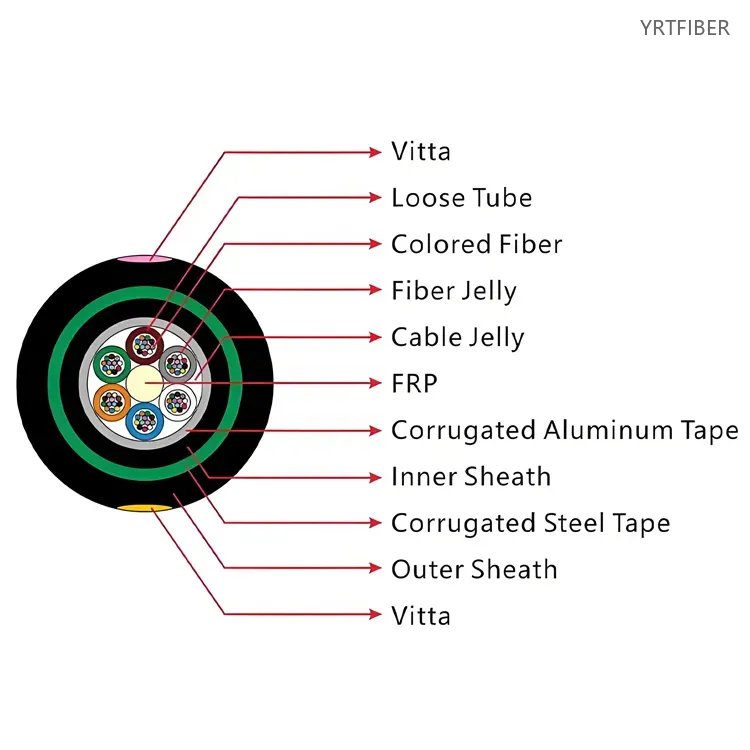
Take the GYFTY53 model. It's not new or fancy, but it's one of those workhorses that engineers keep coming back to. Why? Because the design actually makes sense for wet, harsh conditions. You get loose tubes filled with water-resistant compound, full core filling, plus two layers of PE Sheath. And then there's the corrugated steel tape armor – that's not just for crush resistance (though it helps when backfilling a trench), it also stops moisture from migrating into the core.
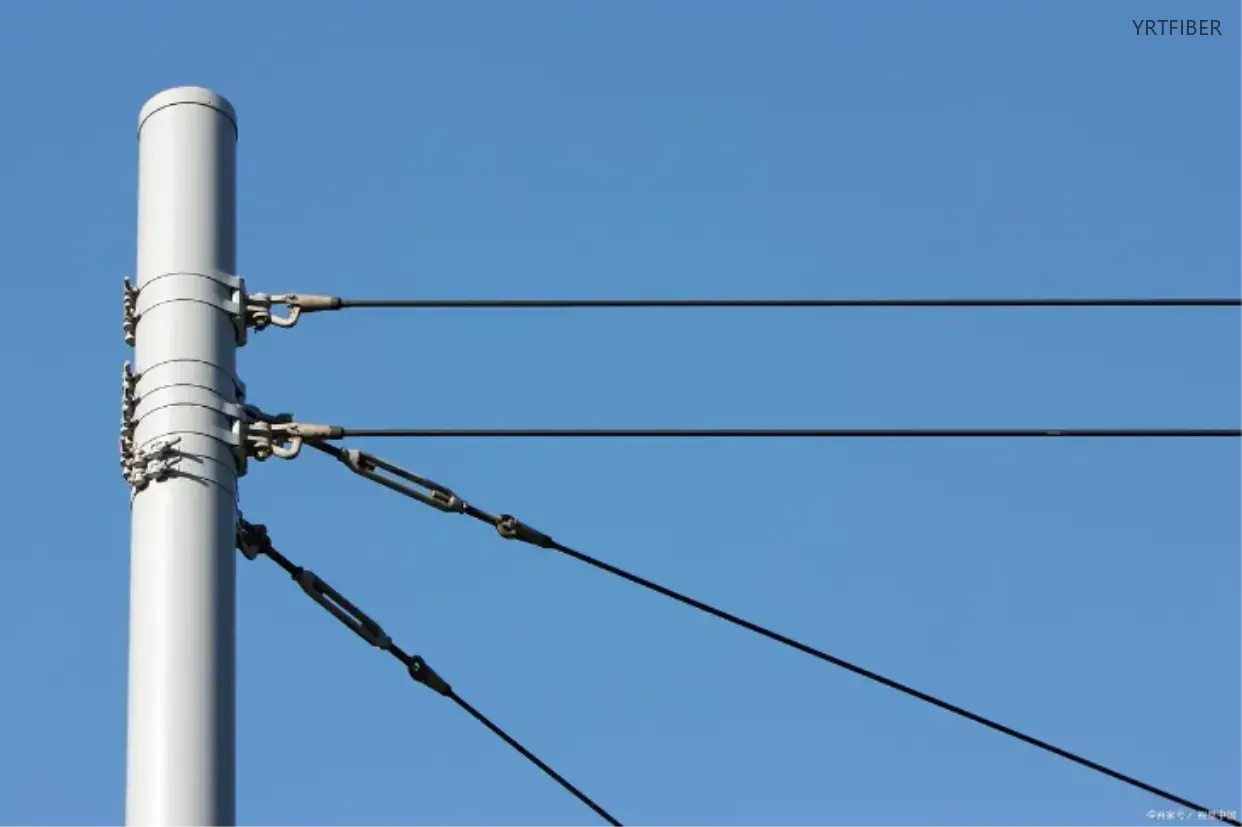
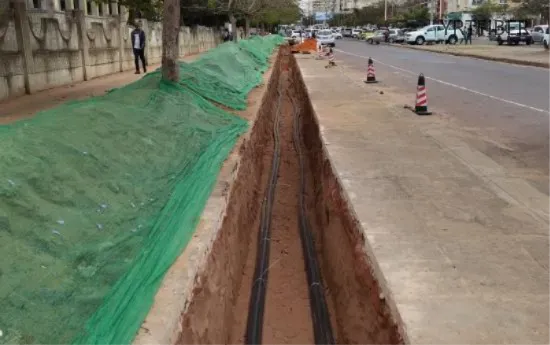
But let me be real with you – specs on a datasheet don't tell the whole story. We've learned over the years that mechanical protection is just as critical as waterproofing. Outdoor routes are rarely clean: one section might be direct buried across a driveway, another goes through a duct under a road, and then you have an aerial span between poles. The GYFTY53 is rated for all three – duct, aerial, direct buried. That means your crew doesn't need to switch cable types mid-project. Less hassle, less risk of using the wrong cable by mistake.
One question we get a lot from buyers: “What's inside? Is the strength member actually strong enough?” GYFTY53 uses an FRP (fiber reinforced plastic) central strength member. Not the cheapest option, but it doesn't corrode, and it handles tension during pulling. The loose tubes are hydrolysis-resistant – a detail many cheaper cables skip. In our humidity tests (we do them in-house, by the way), that hydrolysis resistance makes a noticeable difference after 6 months of 90% RH.
Fiber count flexibility is another practical point. A small campus access project might need only 4 cores, but a backbone link could require 144 cores. We offer GYFTY53 from 2 to 144 cores. And because we have our own production lines – yes, 21 of them – we can actually do mixed orders without crazy lead times. OEM and ODM are routine for us. Some clients want their own logo on the drum, others need a custom sheath color for easy identification in the field. We handle that.
Standards compliance? Sure, GYFTY53 meets YD/T 901-2009 and IEC 60794-1. But for us, passing the standard is just the baseline. What matters more is how the cable behaves after being dragged through a duct with a few sharp bends. That's why we also do our own pull tests and crush tests on random samples from each batch. (Not every factory does that – we do because we've seen what happens when you don't.)
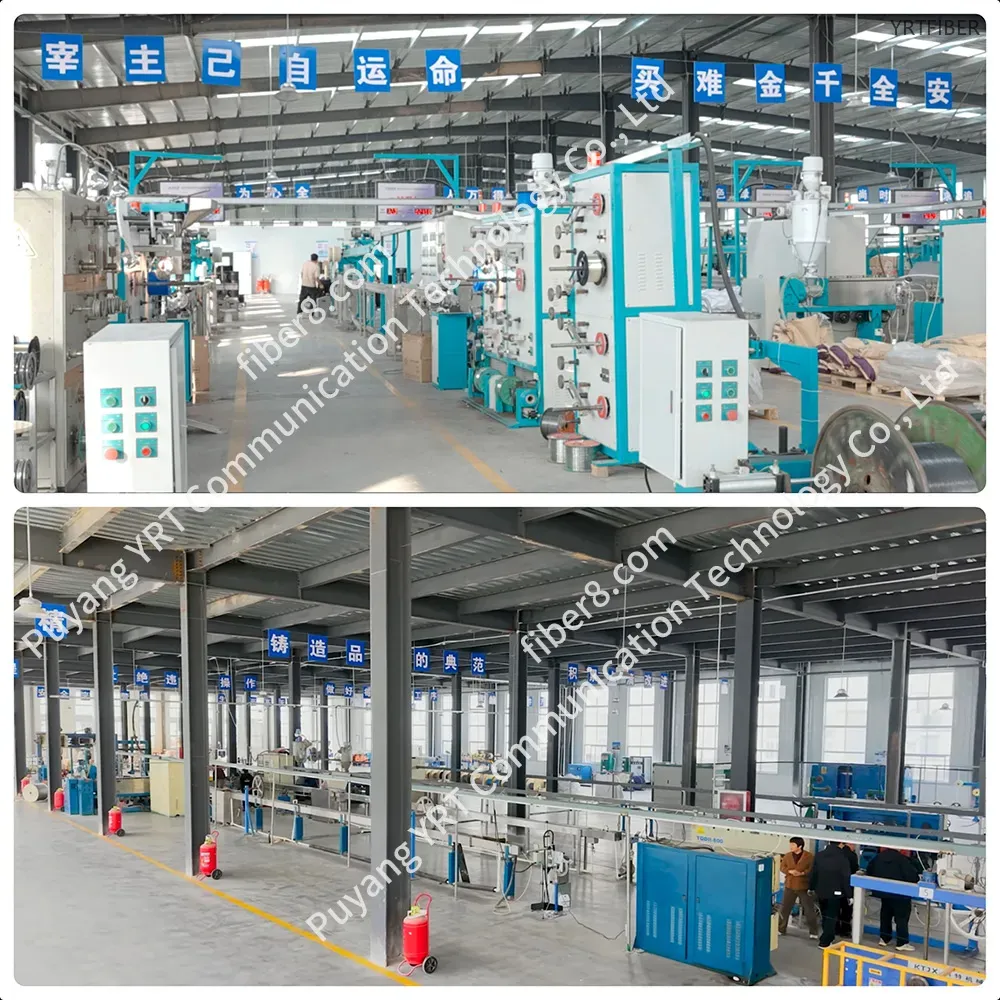
So if you're evaluating outdoor armored cables, don't just look at price per meter. Ask about the water-blocking method, the type of strength member, and whether the cable is truly rated for your installation method. And if you want to see who's making your cables – we put a lot of that information on our About Us page: https://www.yrtfiber.net/about-us/ . You'll see photos of our production floor, our 21 lines, and the quality control steps we take. We also do OEM/ODM, so whether you need a standard GYFTY53 or something customized, feel free to reach out.
Final thought: A good waterproof outdoor cable isn't just about keeping water out today – it's about still working five years later after rain, freeze-thaw cycles, and ground movement. That's what we build for.


